WASHINGTON (AP) — The Democratic Party had initially set out to campaign on key issues such as affordability and health care in the upcoming midterm elections, focusing on areas where President Joe Biden has faced criticism.
However, the recent violent immigration operation in Minnesota, which led to the tragic death of American mother Renée Good during a federal confrontation, has dramatically shifted the political landscape for Democrats.
Democratic leaders are now scrambling to transform their outrage over this incident into actionable political strategy, despite a lack of consensus within the party about the best way forward on immigration issues where recent trust has dwindled.
Some members propose abolishing Immigration and Customs Enforcement (ICE), while others advocate for legislation aimed at preventing abuses by federal agents. Activists claim these measures aren't enough, pushing for a halt in deportation funding amid heated discussions about federal budgets.
Party strategist Chuck Rocha highlighted the internal debates, noting, “We’re Democrats. I’m sure we’re going to have 50 different ideas and 50 different ways to say it.”
Failure to navigate this complex issue successfully may hinder Democratic efforts to reclaim control of Congress and effectively address the skepticism stemming from Biden's border policies, which some argue contributed to Trump’s electoral success.
Neera Tanden, president of the Center for American Progress, emphasized the party's opportunity to balance national security with civil rights. “It’s not too much to ask that we have a government that can produce a secure border and respect people’s civil rights,” she stated.
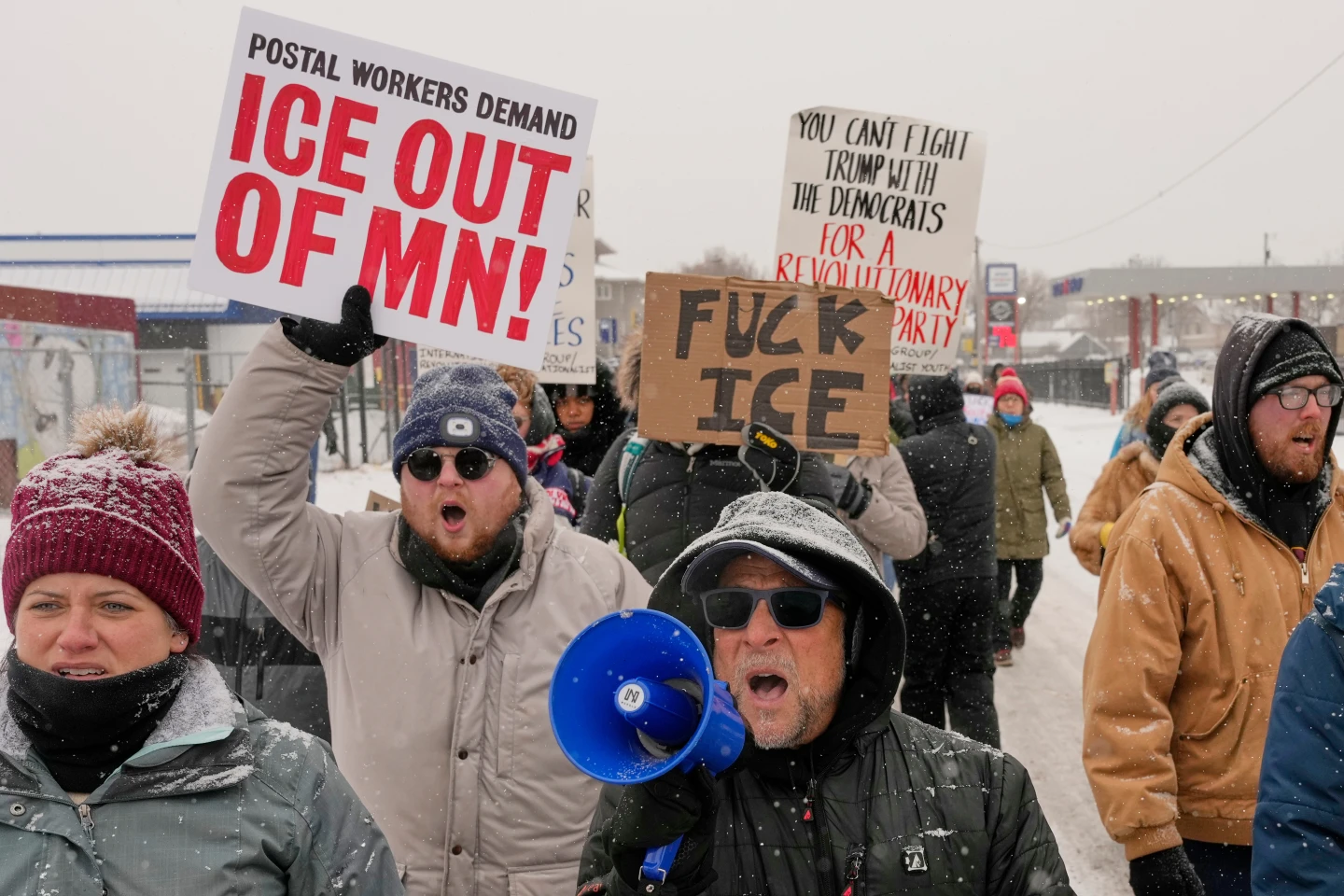
The immigration crackdown has led to considerable backlash in Minnesota, especially following Good's death, which has incited protests and sparked strong responses from local Democratic officials. This incident exemplifies the intensity of the ongoing immigration debate.
Rep. Robert Garcia reiterated the party's unified stance against the actions of DHS and ICE, advocating for fairness and due process. However, the challenge remains for Democrats to manage these sensitive topics without alienating potential voters.
By contrast, polls suggest a growing trust among U.S. adults for Republicans to handle immigration effectively, presenting a formidable hurdle for Democrats as the electoral landscape shifts.
The Republican Party is poised to leverage these developments, framing their position around strong immigration policies amidst rising public safety concerns.
As Democrats aim to pivot back to core issues like health care and everyday living costs, the party is faced with weaving these themes into a coherent narrative that resonates with the electorate.
With ongoing tensions and pressures exerted on both sides, the choices made by Democratic leaders in the wake of this incident will be pivotal as they head into the midterms.