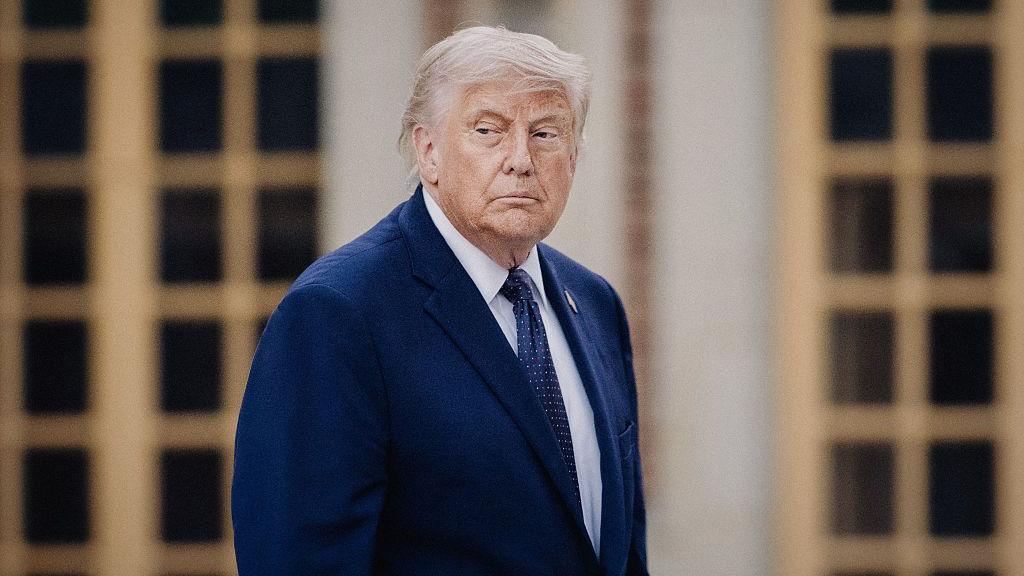
In a groundbreaking move, President Donald Trump signed a Memorandum of Understanding (MoU) with Iran during the G7 summit in Evian‑les‑Bains, France, putting into motion a ten‑point agreement aimed at ending the prolonged dispute and restoring stability to the Middle East.
Key elements of the deal include:
1. Immediate cessation of hostilities
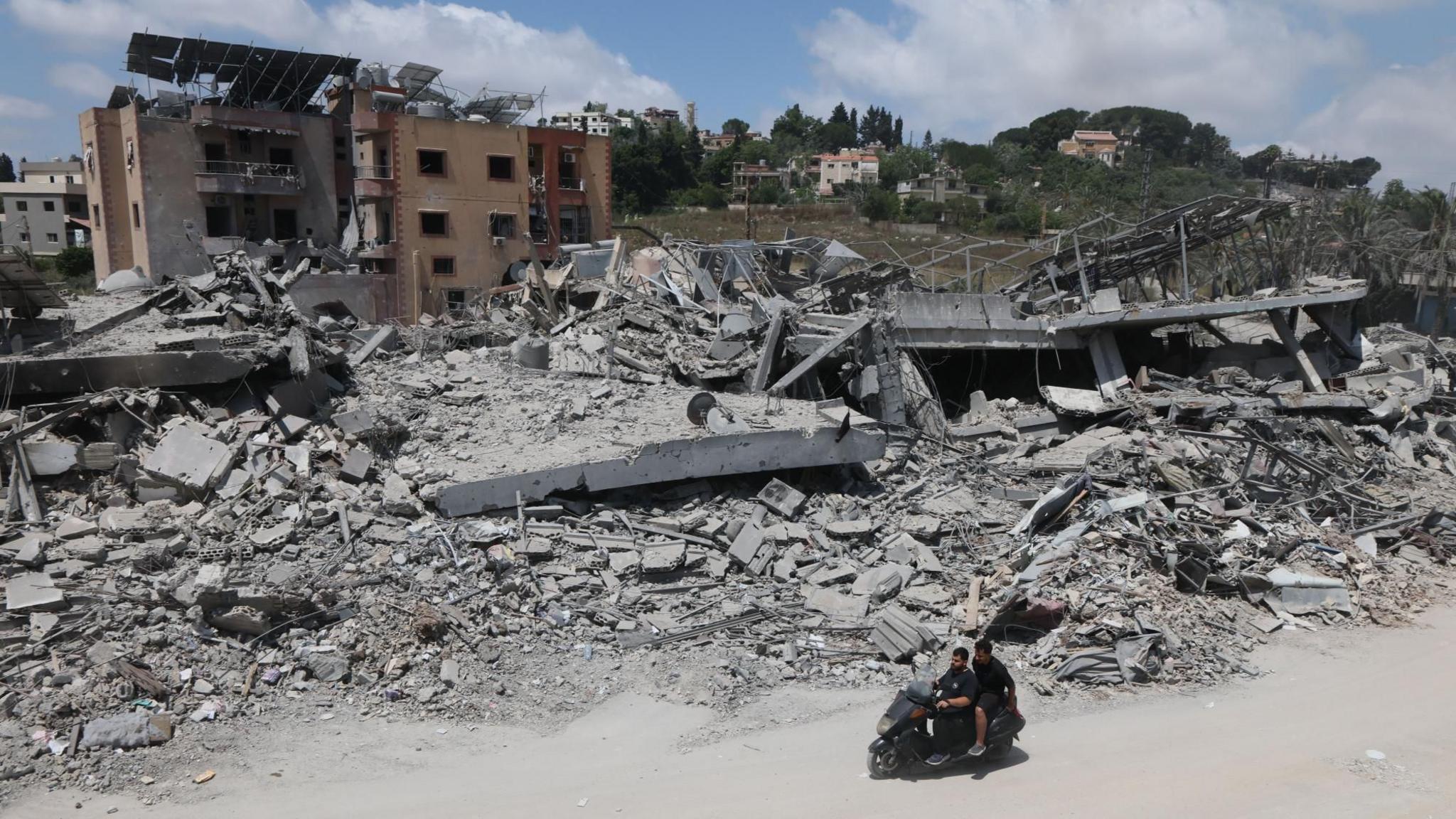
The MoU obliges the US and Iran to halt all military operations against each other, including any actions in Lebanon, and to respect the territorial integrity of Lebanon.
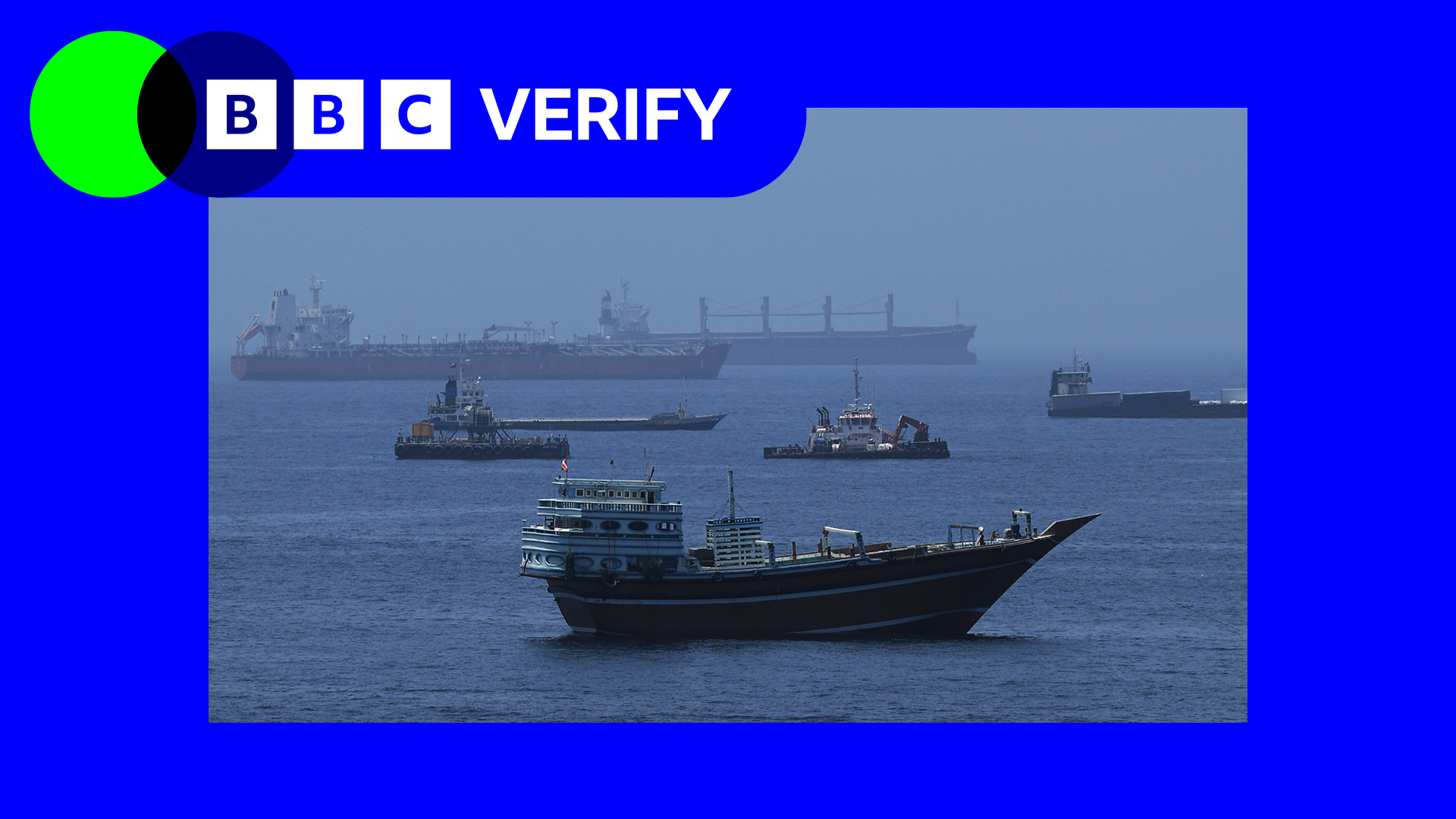
2. Opening of the Strait of Hormuz
Iran will allow safe, charge‑free passage for commercial vessels through the Strait, with the US removing its naval blockade within 30 days.
3. Sanctions relief
The agreement calls for the immediate termination of all economic sanctions, subject to Iran’s compliance with the nuclear disarmament provisions.
4. Nuclear commitments
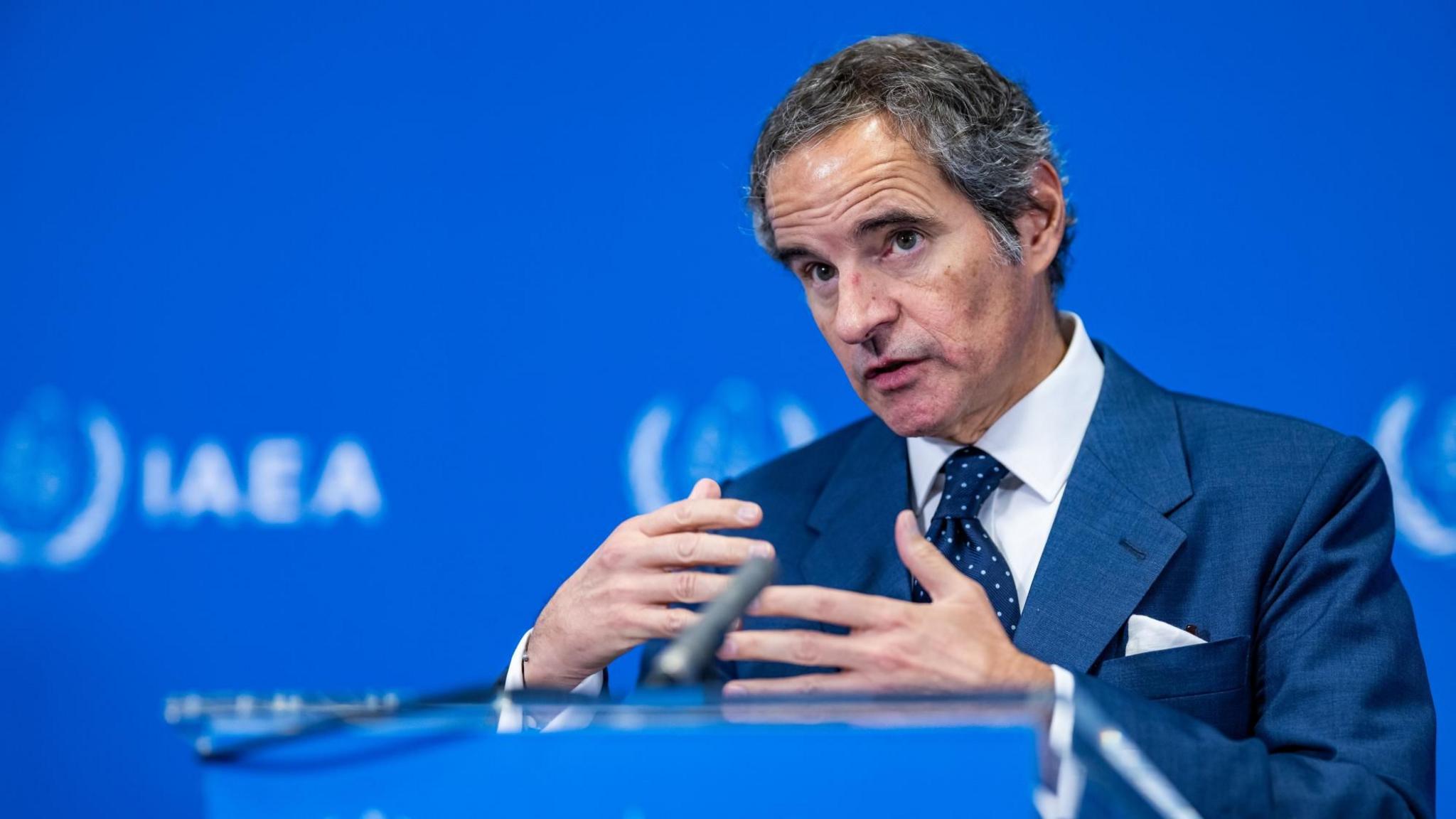
Iran agrees not to develop a nuclear weapon and to work with the IAEA to downblende its enriched uranium stockpile.
5. Reconstruction fund
Stakeholders will devise a renewable plan worth at least $300 bn to rebuild Iran’s infrastructure, though the US will not provide direct financial input.
6. Frozen assets
The US pledges to unlock frozen Iranian funds upon the MoU’s signature, subject to future negotiations.
7. Monitoring and final deal
A mechanism to oversee compliance will be set up, and a binding UN Security Council resolution will conclude the final agreement.
While the MoU sets the stage for future negotiations, many details remain to be ironed out. Analysts note that the agreement is “performance‑based,” meaning sanctions relief depends on Iran’s adherence to its commitments, and the final terms will be shaped through a six‑month negotiation period.
For the third time in history, the two nations have formally agreed to a framework aimed at de‑escalating the conflict that reignited in February 2026, a development that could reverberate through global markets and geopolitics.