Iran‑US Memorandum of Understanding: Gains, Gambles and the Road Ahead
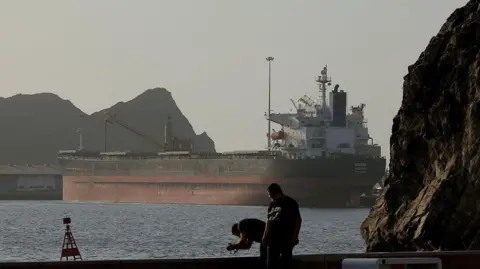
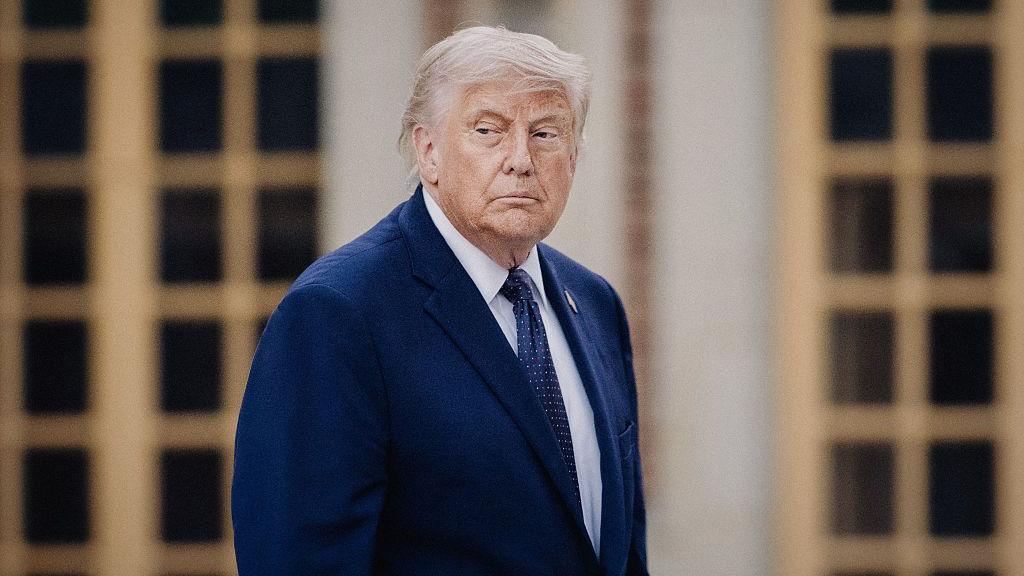
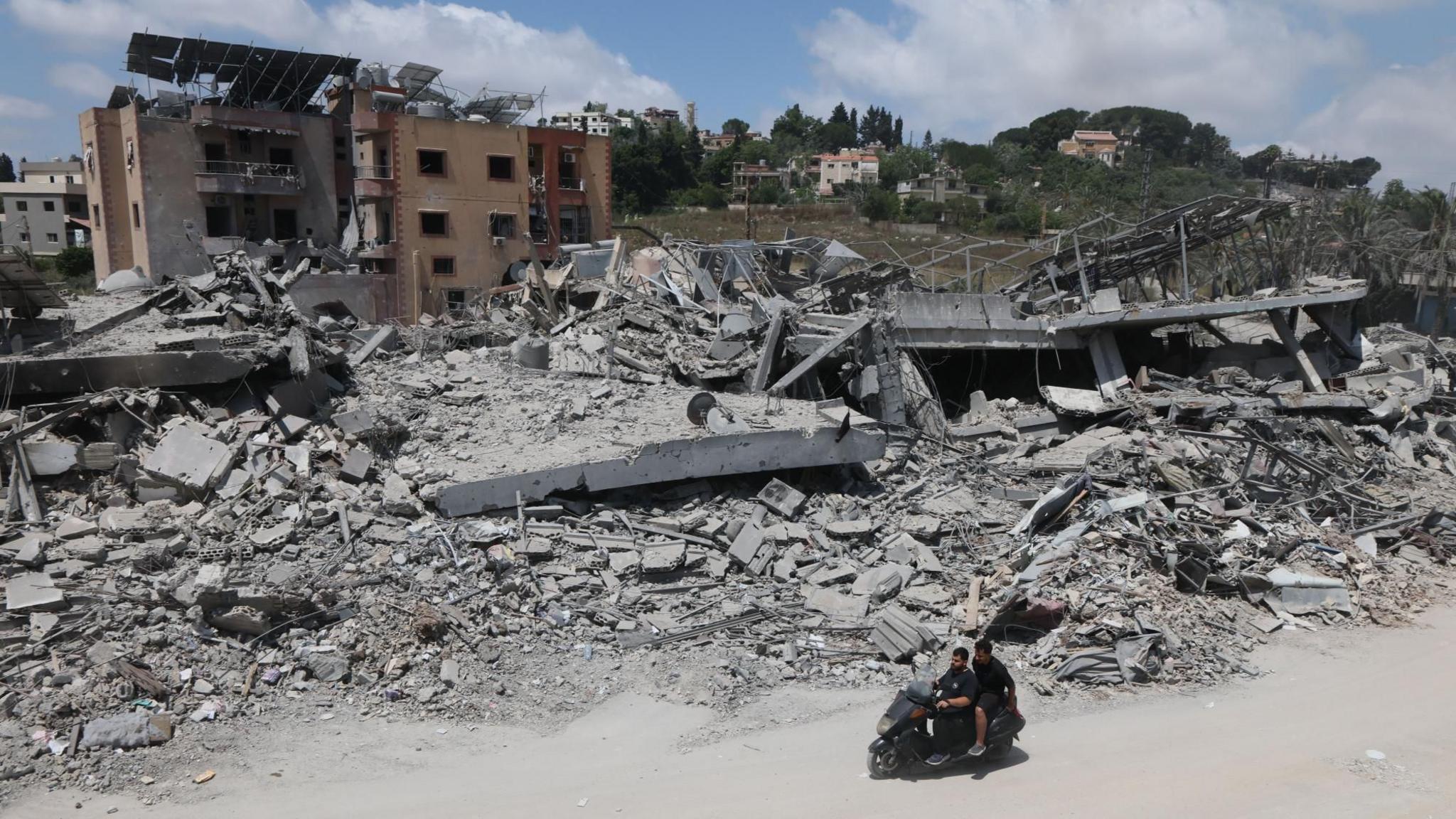
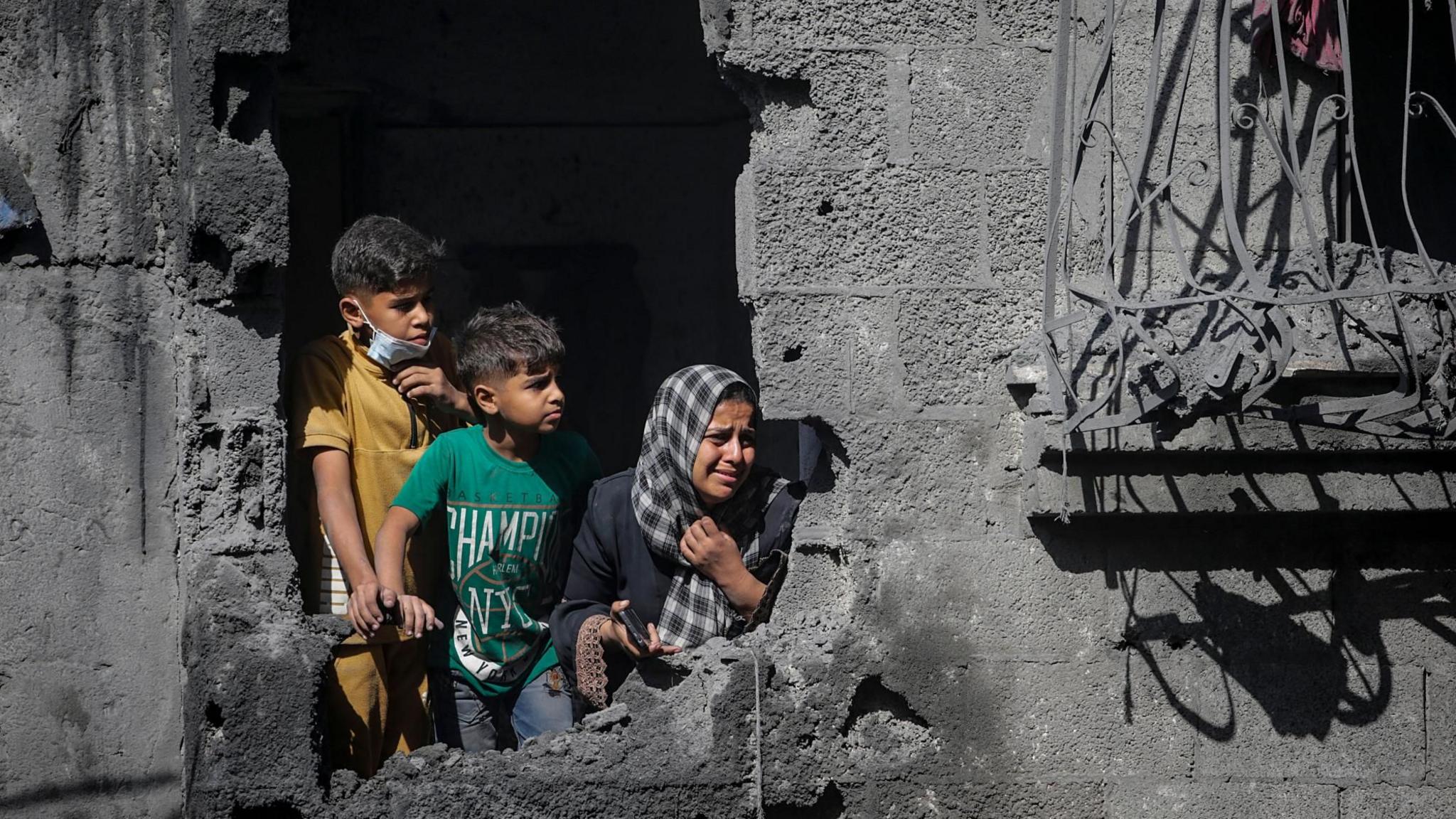
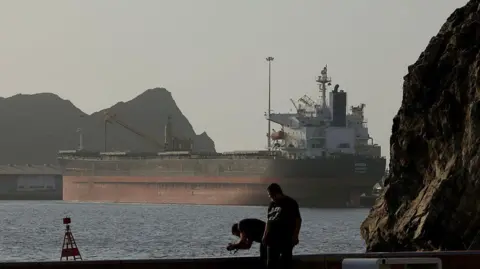
A 60‑day memorandum signed by President Ta‑Mina Pezeshkian and former President Donald Trump finally halted the escalating violence that had seen airstrikes, drone attacks and artillery fire across the Middle East. The deal formalises a ceasefire and guarantees the opening of the Strait of Hormuz, a vital maritime chokepoint that had been blocked for months, allowing the world to resume the flow of crude oil and refined products.
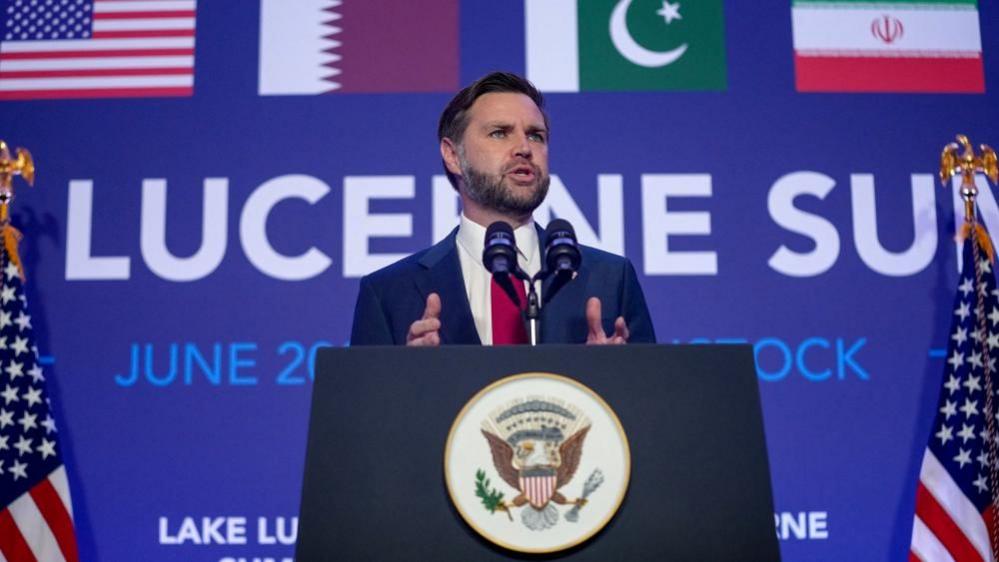
Islamic Republic officials argue the agreement is a diplomatic triumph. Tehran has officially committed to refrain from producing nuclear weapons, to maintain safe commercial shipping lanes and to enter talks on its enriched uranium stockpile. In return, the United States will lift its naval blockade, release frozen Iranian assets, remove sanctions on oil exports and outline a potential reconstruction package worth approximately $300 billion.
Yet both sides face sharp internal criticism. In Iran, hard‑line factions accuse the government of surrendering to Washington, while the state‑run media and Revolutionary Guards warn that any compromise on nuclear policy could be framed as capitulation. U.S. Republicans, on the other hand, question the magnitude of the promised $300 billion reconstruction fund, with some calling the bet on the Iranian economy a “humiliating loss for the United States.”
The MoU defers the most contentious technical issues—such as the scale of Iran’s enrichment programme and the future of its nuclear complexes—to a later phase of negotiations. Those discussions will be conducted under intense pressure, as the next 60 days will test whether the parties can agree on a framework that satisfies Washington’s security concerns without alienating Tehran’s domestic base.
Should either side falter—whether by refusing to negotiate over highly enriched uranium or by allowing a flurry of missiles back into the region—the ceasefire itself could be undermined. A collapse would hand Washington leverage to insist on a hard‑line stand, potentially retracing the steps that led to the current confrontation.
While the memorandum has delivered an immediate easing of tensions, its longevity hinges on the delicate balance between domestic political imperatives and the strategic calculus that underpins each nation’s security priorities. The next weeks will determine whether the deal stands the test of time or becomes the bargaining chip that sparks a new round of hostilities.