Iran Sees US Deal as a Victory that Strengthens Its Position
For Iran, the recent Memorandum of Understanding (MoU) with the United States offers a ceasefire and a powerful narrative of resilience. Rather than a traditional victory, Tehran can frame the deal as evidence that it survived the conflict intact and emerged stronger.
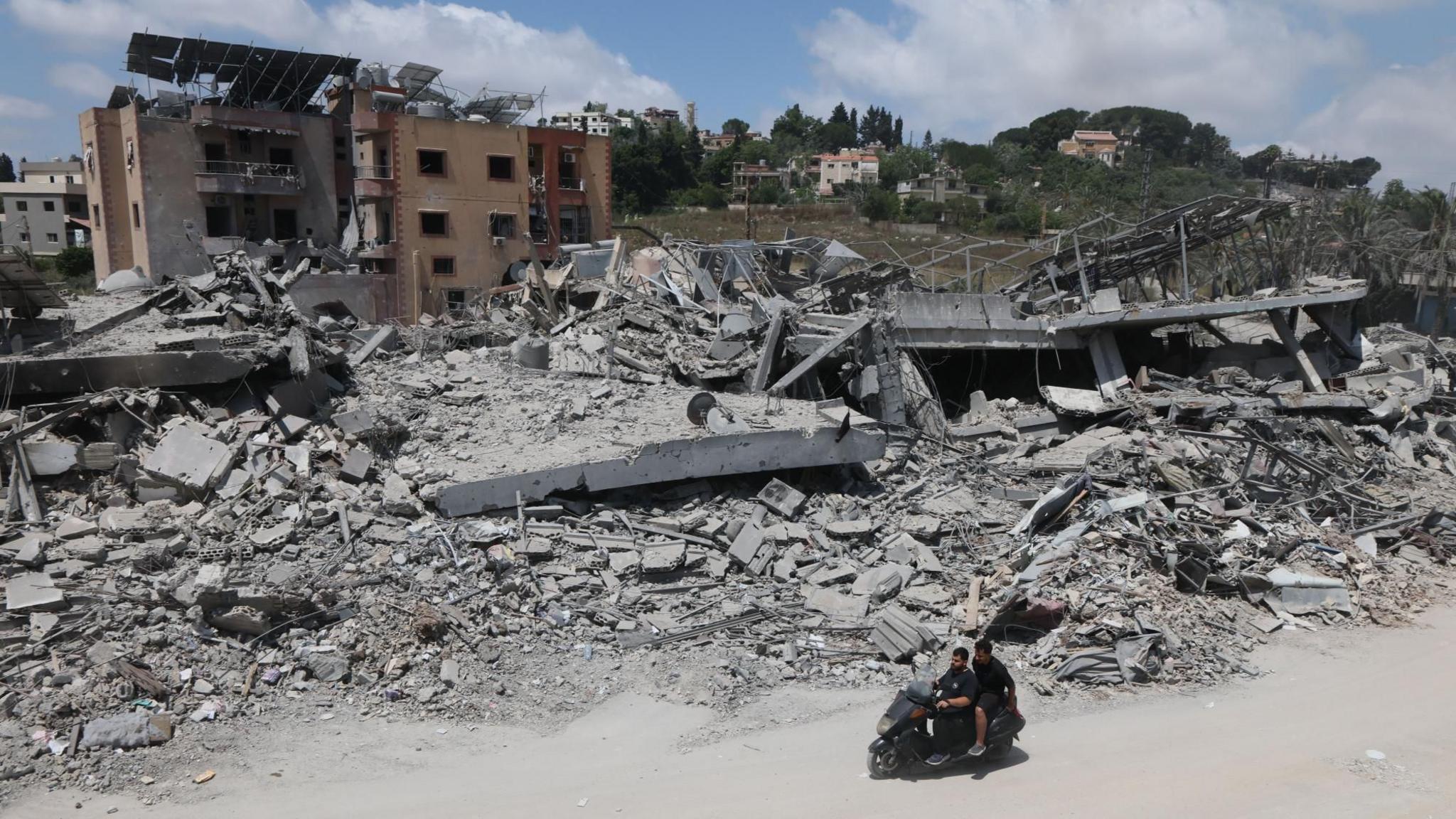
From the outset, the Islamic Republic’s strategy focused on avoiding total defeat, preserving governmental institutions, and maintaining bargaining power rather than overtly defeating US and Israeli forces on the battlefield.
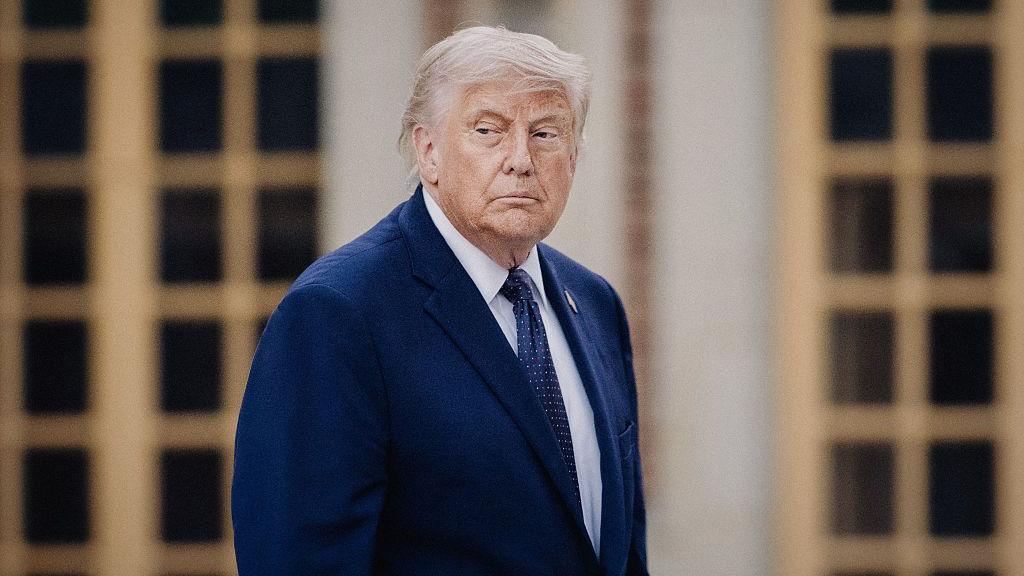
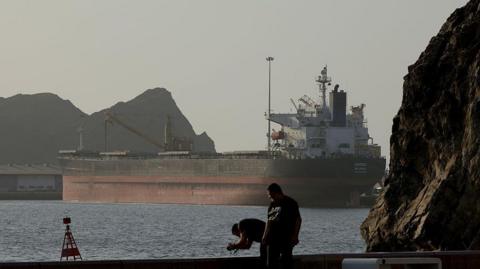
The 60‑day MoU, signed independently by Presidents Donald Trump and Masoud Pezeshkian, halts military operations on all fronts, affirms respect for sovereignty, reopens the Strait of Hormuz, and lifts the U.S. naval blockade of Iranian shipping. It also sets a framework for nuclear negotiations.
Iran’s obligations include ensuring safe commercial passage through Hormuz, reaffirming its decision not to pursue nuclear weapons, and entering talks about the future of its highly enriched uranium and enrichment programme.
U.S. commitments are broader: the U.S. will begin eroding its naval blockade, issue waivers for Iranian oil exports, make frozen or restricted assets available, work to ease sanctions, and pursue a reconstruction plan worth at least $300 billion.
All these points allow Iranian leaders to present the MoU as a triumph—sovereignty is acknowledged, military pressure relaxes, sanctions ease, and a hefty reconstruction fund is promised. This narrative explains why critics have so far been restrained.
Nevertheless, the silence is likely to break as the next 60 days push unresolved issues to the surface.
The most contentious points—such as the level of enrichment, the fate of highly enriched uranium, and rebuilding damaged nuclear facilities—remain deferred, not resolved. Iranian hardliners have already been told that the country defeated the U.S. and Israel, and any concession could be framed as a betrayal.
Conversely, refusing to negotiate on nuclear matters risks the ceasefire collapsing, reopening the possibility of renewed hostilities and drawing further U.S. and Israeli pressure.
Mohammad Bagher Ghalibaf, the parliamentary speaker, has adopted a defiant tone, emphasizing that Iran is not a typical diplomat but knows how to make America understand.
Unlike the 2015 Nuclear Deal, the current MoU is viewed by some in the United States as less favorable because it postpones the toughest questions. In Tehran, however, the fear that the deal represents a betrayal of the 2015 agreement fuels domestic dissent.
For Iran’s leadership, the challenge is to turn this ceasefire framework into a political success before the hardliners’ criticisms grow.
While the deal grants urgent relief from military pressure and offers a renaissance of economic concessions, it also leaves the final agreement uncertain. The coming months will test whether Iranian officials can keep their base committed without compromising the nation’s perceived victory.