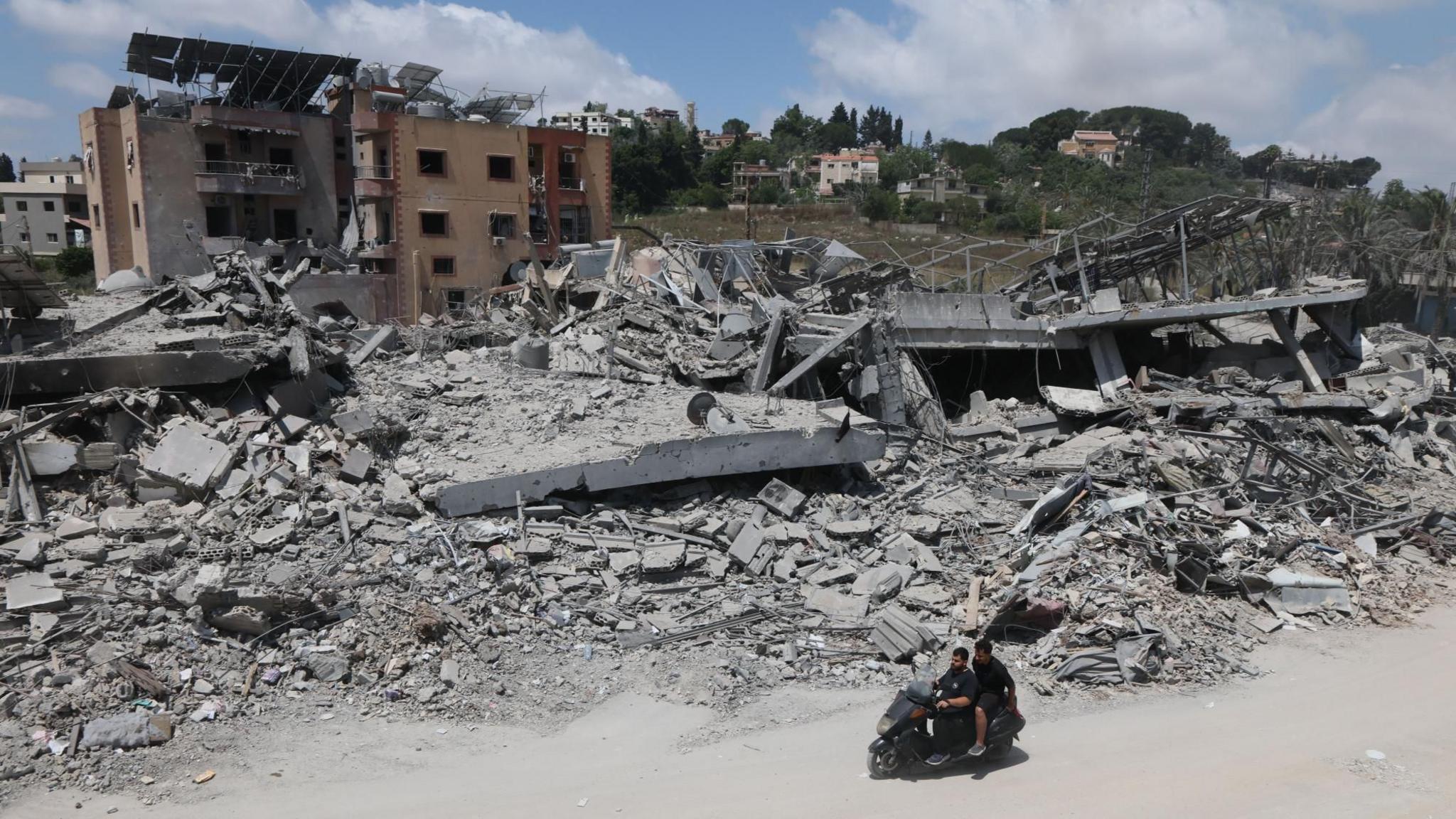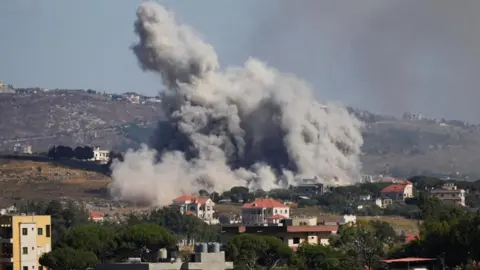
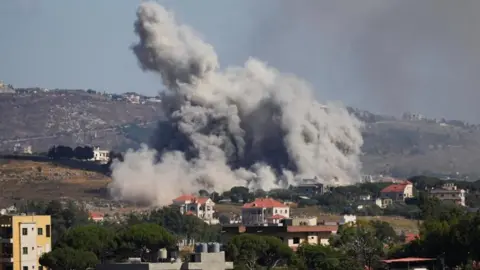
U.S. diplomacy has confirmed that Israel and Hezbollah have agreed to a ceasefire following a brutal wave of Israeli air attacks that claimed 47 lives in Lebanon. The announcement was made by a U.S. official after intense fighting escalated in the southern province of Nabatieh.
These clashes have put a strained U.S.–Iran de‑escalation agreement at risk. The 2025 memorandum of understanding, which called for a ceasefire in Lebanon and an end to U.S.–Iran tensions, has not translated into reality on the ground. Tehran has accused the U.S. of failing to curb Israeli aggression toward Hezbollah.
Israeli military spokespersons confirm that they will continue to neutralise immediate threats against Israeli civilians while maintaining a counter‑measure posture against Hezbollah. Hezbollah’s leader, Sheikh Naim Qassem, repeated calls that Israel must withdraw from all Lebanese territory.
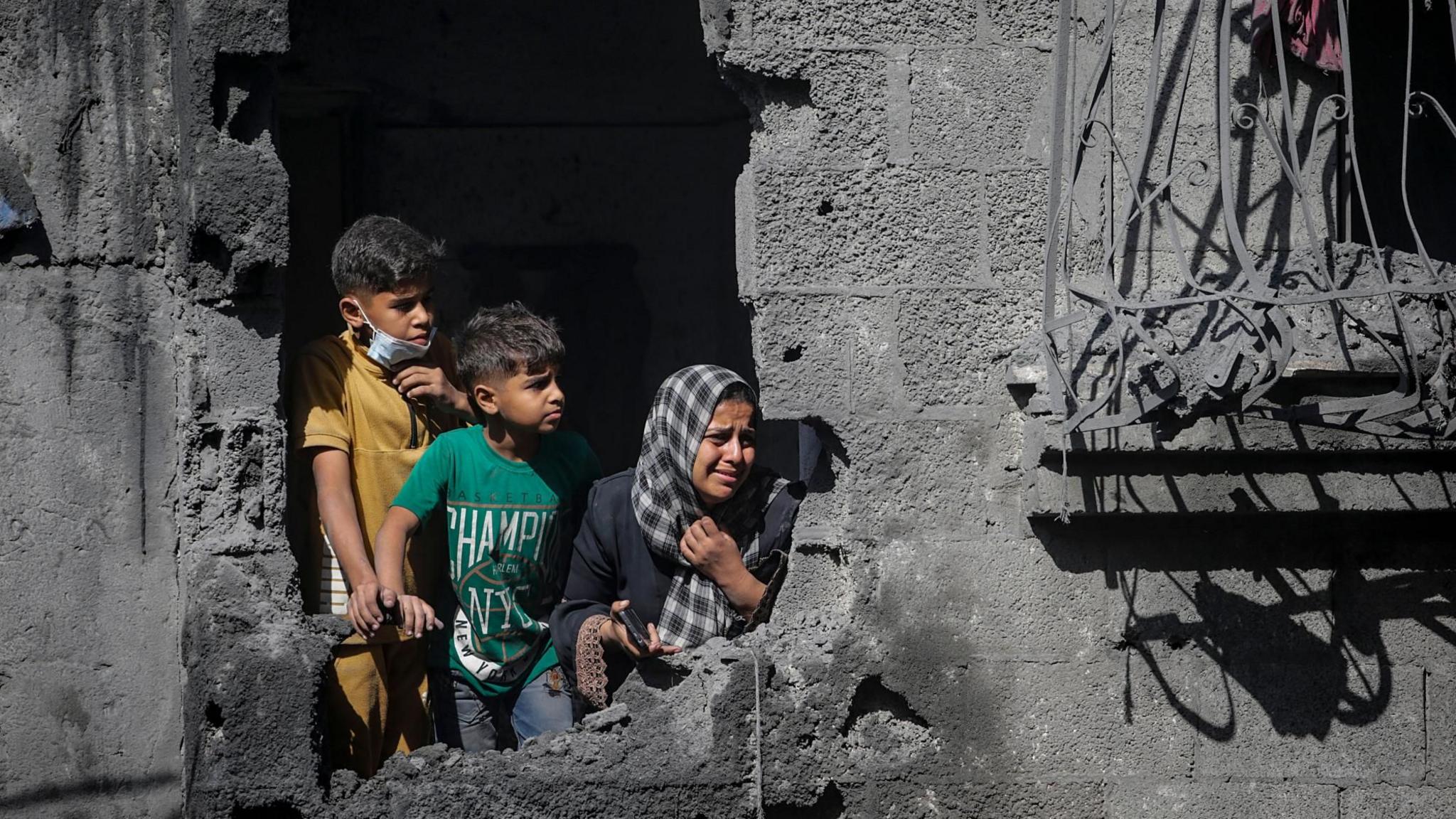
Despite the ceasefire, rescue workers in Nabatieh reported at least 12 further air strikes after the 16:00 local time truce, indicating that the violence is far from over. Lebanese soldiers and civilians remain on edge during the lull, with many fearing that the deal is only a temporary pause.
In the broader context, the conflict has led to over 3,900 deaths, 11,600 injuries and displaced close to a million people. The spiralling hostilities between Israel, Hezbollah and the larger U.S.‑Iran strategic triangle continue to destabilise the region even after this latest truce.
Critics argue that the ceasefire shows little restraint from either side and that the war against Hezbollah may ultimately determine the outcome of the U.S.–Iran negotiations. The tension underscores the fragility of any diplomatic agreement that rests on the ground controls of high‑stakes military operators.