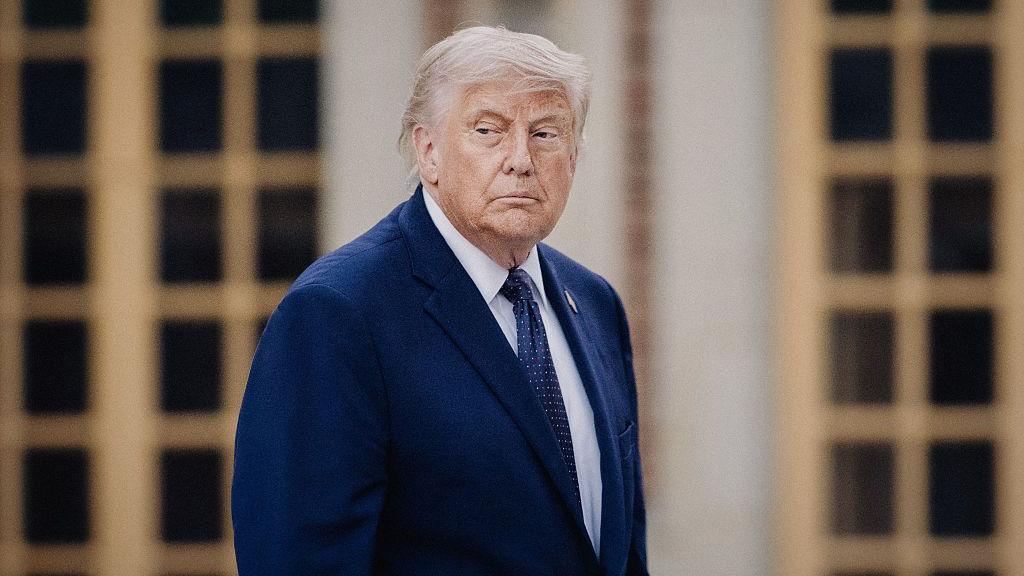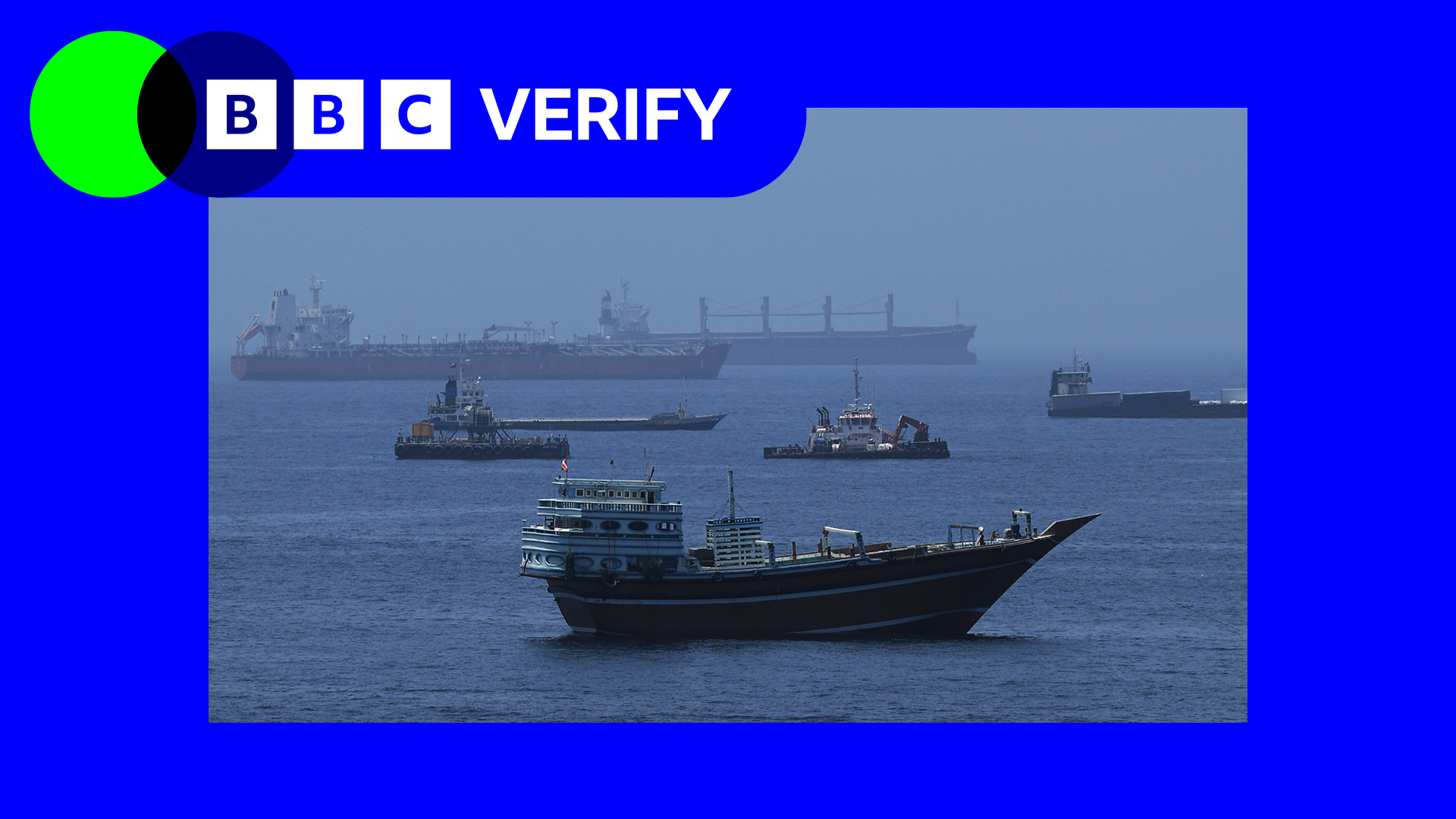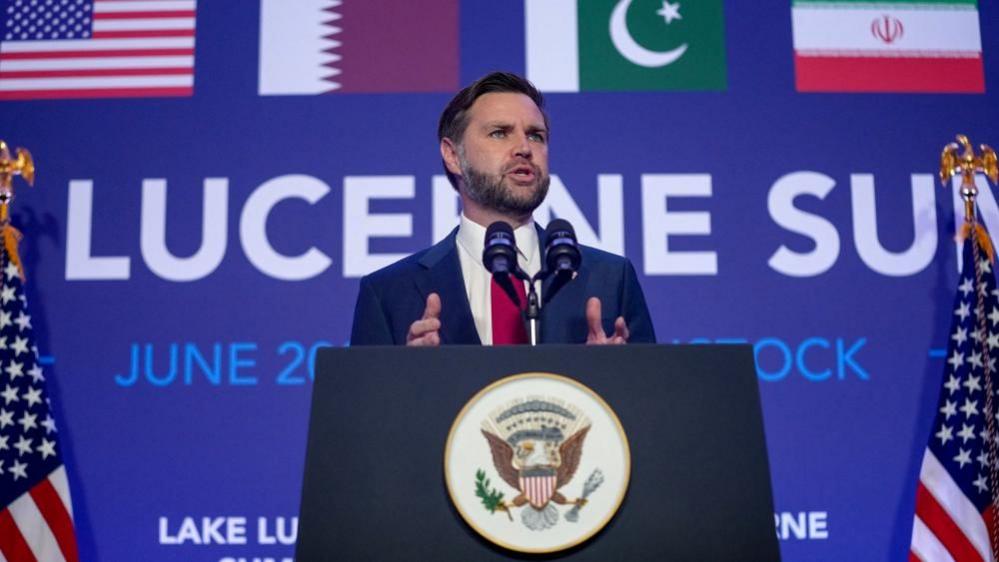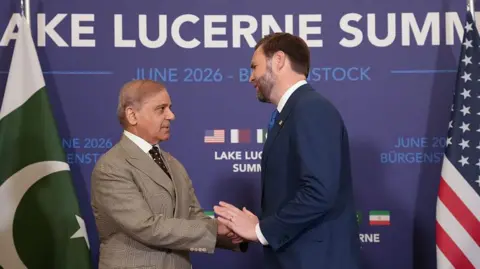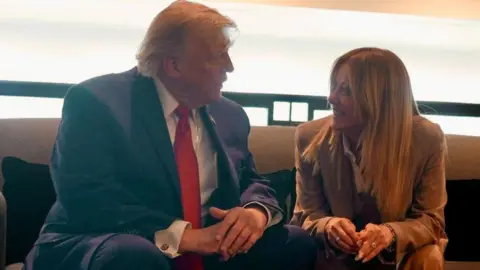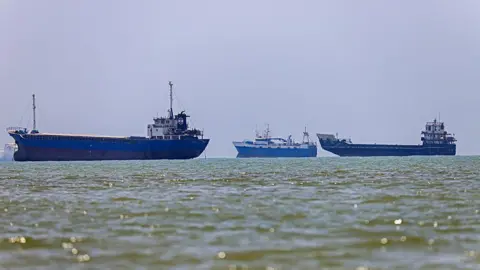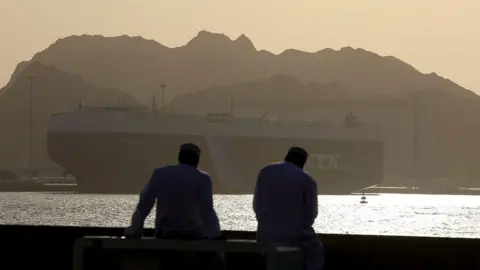
The United States and Iran have inked a memorandum of understanding that effectively opens the Strait of Hormuz, the choke‑point through which most of the world’s oil is shipped. The accord is framed as a “major win” by President Donald Trump, who announced it during a press conference at the G7 summit in France.
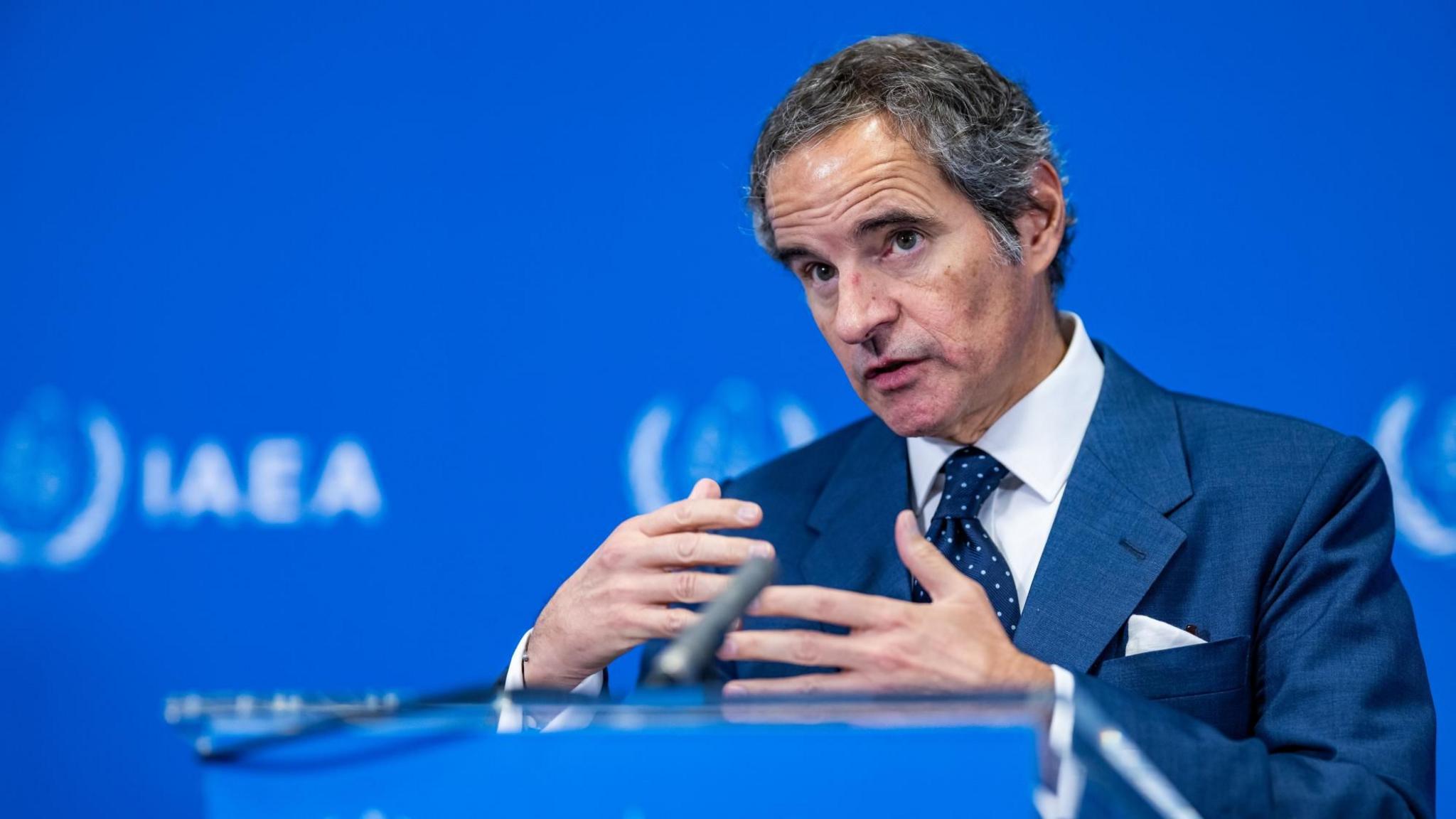
However, U.S. officials clarified that the document only obligates Iran to downblend its stockpile of highly enriched uranium under International Atomic Energy Agency supervision. No money will be transferred to Tehran – a deliberate divergence from the $1.7 billion payment made to Iran in 2016 under the Obama administration.
The agreement sets a 60‑day negotiation window beginning with Friday’s expected signing. That deadline mirrors the Obama‑era 20‑month process that secured the 2015 nuclear deal, yet asks for a compressed timetable that critics claim is unrealistic.
Trump emphasizes the U.S. will not fund Iran but promises a plan – with help from allied regional partners – that could reach at least $300 billion to rebuild Iran. The language remains vague, leaving room for future taxpayer‑money allocations as the talks evolve.
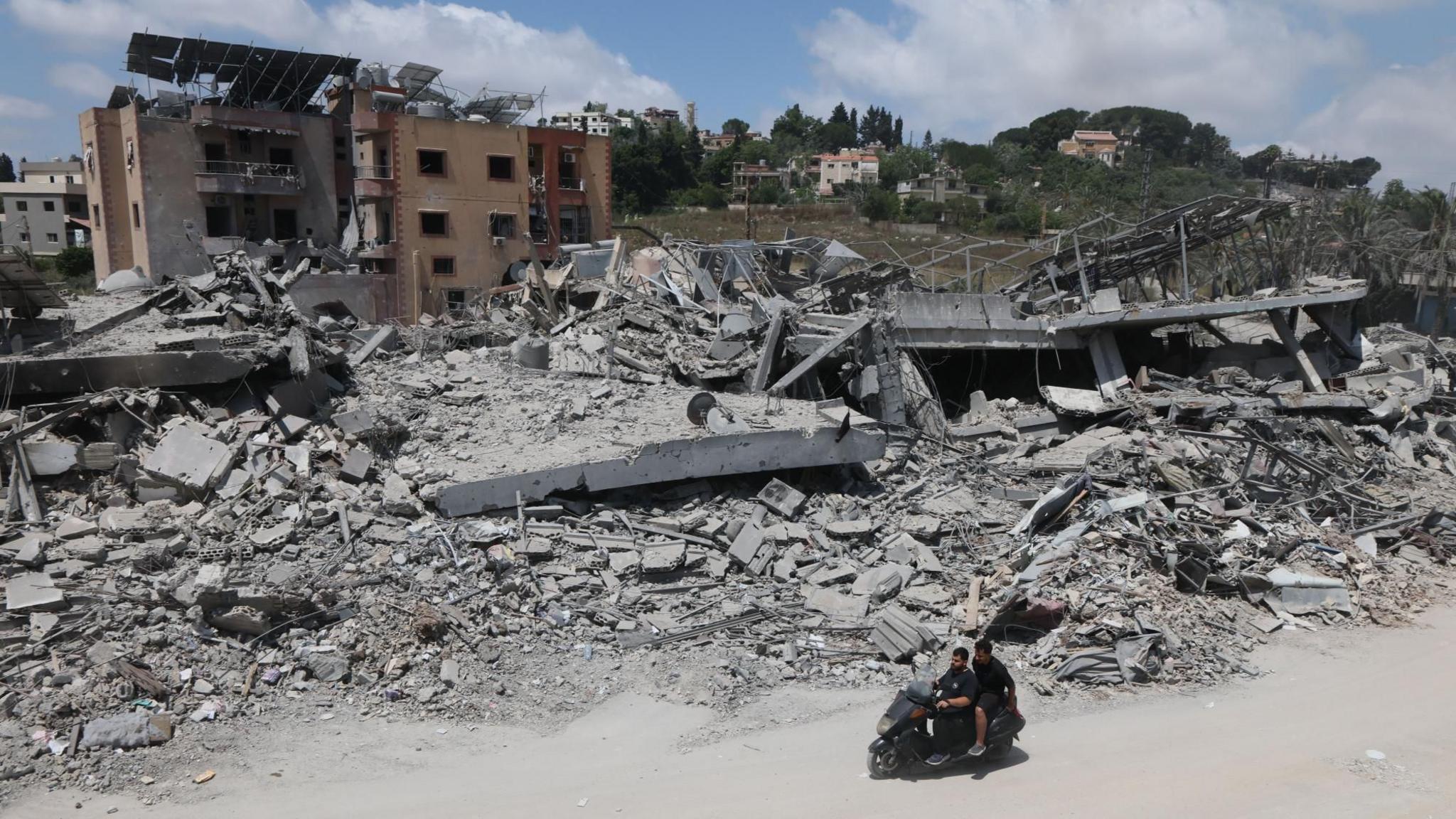
Beyond nuclear safeguards, the memorandum touches on Hezbollah only in a cease‑fire clause, with no deeper threat to Iran’s militia support. Iran’s missile programme and broader regional financing remain absent from the text entirely.
The deal’s builders stress the 60‑day period is open to extension if negotiations stall. Trump’s own remarks suggest a fallback to military action should the talks fail.
As U.S. and Israeli officials hope this first step can lead to a broader peace agreement, the limited scope of the memo signals a cautious optimism – and a recognition that the path forward remains fraught with political and strategic uncertainty.