Netanyahu Faces Political Crisis as US‑Iran Ceasefire Undermines His Security Narrative
The latest agreement between the United States and Iran has thrown Israeli Prime Minister Benjamin Netanyahu into a political bind, shaking the very foundations of his long‑standing emphasis on security dominance.
Under Trump’s mediation, Washington pushed for a ceasefire that would halt Israeli attacks on Hezbollah-held positions in Lebanon. The deal, once hailed by some as a strategic win, now appears to alienate key allies and dismiss the policy practices Netanyahu has championed over the past two decades.
Inside Israel, politicians from both the far right and opposition are less than silent. Likud’s lawmaker Ariel Kallner said Israel would continue to protect itself, yet was explicit about the possible continuation of offensive operations. Far‑right minister Itamar Ben‑Gvir openly rejected the agreement, declaring it a threat to Israel’s security. These comments punctuated an increasingly tense atmosphere among Israel’s political ranks.
Netanyahu, who has presented himself as the “Mr Security” of the nation, confronted the backlash with a firm stance. He reiterated that preventing Iran from acquiring nuclear weapons remains his primary objective, while stressing that any Iranian pressure to withdraw would be a direct assault that his administration would resist. The comments came amid discussions about the July counter‑strike on Beirut, a move Trump criticized as “judgement‐free.”
The predicament extends beyond domestic politics. With Gaza still under Hamas control and Israel’s forces entrenched in Lebanon and Syria, the country’s strategic initiative to remove threats from its periphery has stretched resources thin. The ceasefire’s clause regarding all fronts—including Lebanon—could effectively grant Iran leverage to back Hezbollah, creating a new set of challenges for Israel’s defense planners.
Against this backdrop, experts argue that Israel must reassess its approach to Tehran. A “more realistic and restrained” policy might be necessary to prevent collapsing the fragile security equilibrium that Netanyahu’s legacy relies upon, particularly with elections slated before the end of October.
Ultimately, Netanyahu’s predicament illustrates the delicate balance between maintaining hard‑line defense policies and navigating an increasingly complex alliance structure in the Middle East. The coming weeks will test whether the Israeli leader can reconcile Washington’s expectations with Tehran’s demands while preserving his electoral viability.
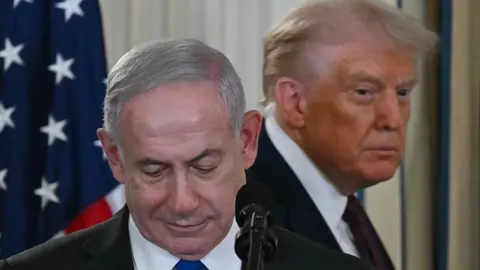
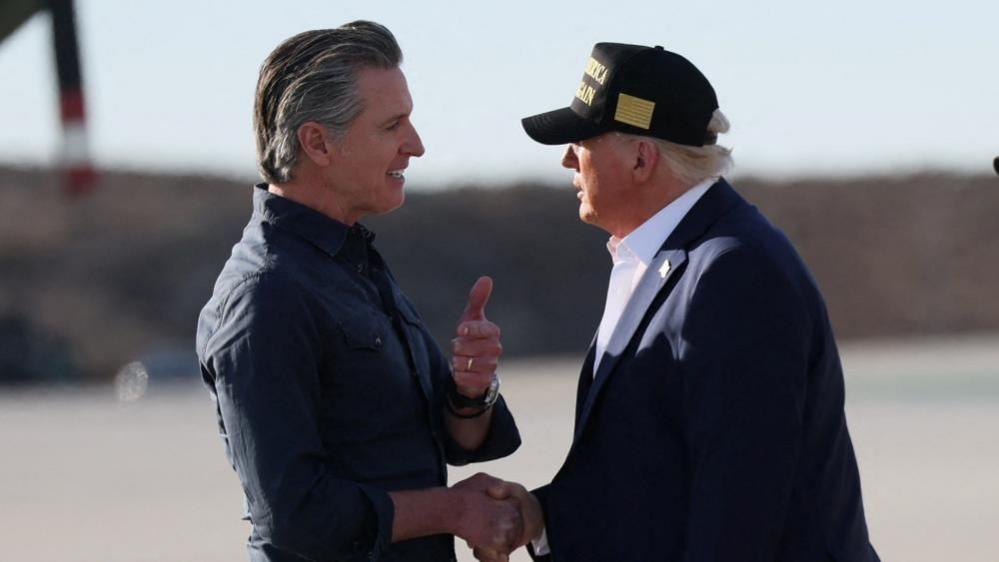
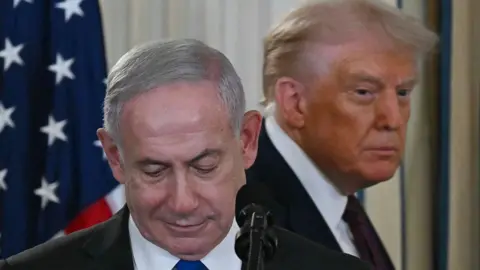
AFP via Getty Images – Trump and Netanyahu during a White House press conference in 2025.