In brief
Cuba’s foreign visitor numbers have fallen more than 50% in the first half of 2026 after the U.S. expanded sanctions targeting its tourism sector. Airlines such as Air Canada have suspended flights and Spanish hotel chains Meliá and Iberostar have closed several properties ahead of a U.S. deadline to cut ties with the state‑owned Gaesa. The restrictions have pushed Cuban citizens harder to travel, while shortages of oil, medicine and food are seen by state media as a major blow to the island’s already fragile economy. Rising power cuts and a surge in garbage piles hint at growing public discontent, and the decline in tourism buyers threatens to amplify Cuba’s financial crisis.
Foreign visitors to the island have dropped sharply in the first half of 2026, a trend that mirrors the willful tightening of U.S. sanctions on Cuba’s tourism sector.
Official figures from the Cuban state statistics office show fewer than 360,000 people travelled to the island between January and May, a 58.4% decline from the same period last year.
Trump‑era policy aimed specifically at the tourism industry, a primary source of revenue for the Cuban government, has seen airlines and hotel operators scrap their contracts. Air Canada, for example, announced an indefinite suspension of flights citing “ongoing political and economic uncertainty.
Spanish hotel chains Meliá and Iberostar halted operations at several properties before the U.S. demanded a 5 June cut‑off for companies dealing with the state‑owned Gaesa, a conglomerate owned by the Cuban armed forces.
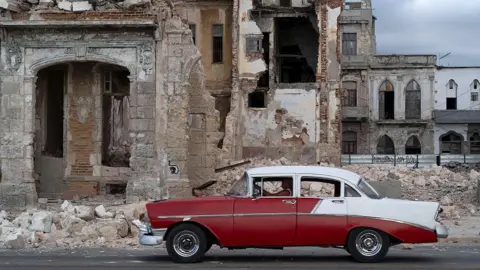
The concerted pressure is cracking the Cuban economy already strained by an oil blockade. The country’s fuel shortages are now affecting everything from medical supplies to everyday grocery items, with state‑run media reporting that child cancer survival rates have fallen from 85% to 65% since early January.
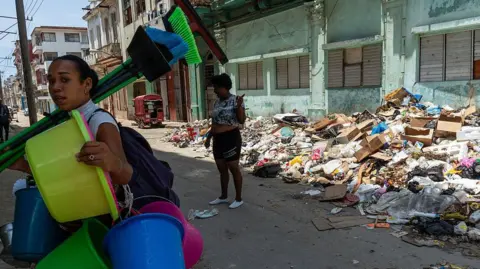
Power outages and the accumulation of garbage in Havana streets have become visible signs of the crisis, each a reminder of how the sanctions are chocking even basic public services.
The public backlash, though usually met with harsh penalties, has started to surface. Citizens are now protesting the long blackouts, reflecting a growing discontent that the government has historically sought to keep quiet.