The recent U.S.‑Iran ceasefire agreement has become the country’s most embarrassing political blunder. For Prime Minister Benjamin Netanyahu, the deal has shattered three pillars of his campaign – his image as a security savant, his weaponization of the war against Iran, and his promise of self‑ish, pre‑emptive actions in the Middle East.
Former campaign strategist Yair Lapid said after a Knesset session that Netanyahu’s options are “either a direct confrontation with our greatest ally, or a surrender of Israeli interests.” The alliance, long the backbone of Israel’s defence, already feels the strain of pushing the Kremlin to accept a fragile ceasefire that does not guarantee a halt to Hezbollah‑linked operations in Lebanon. That is the very pressure the right‑wing coalition is loosing trust.
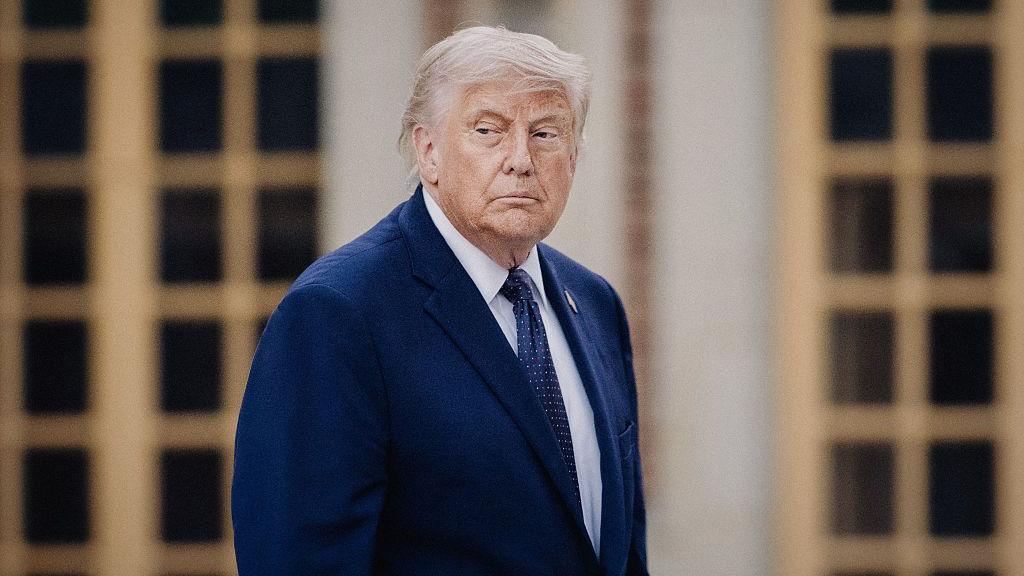
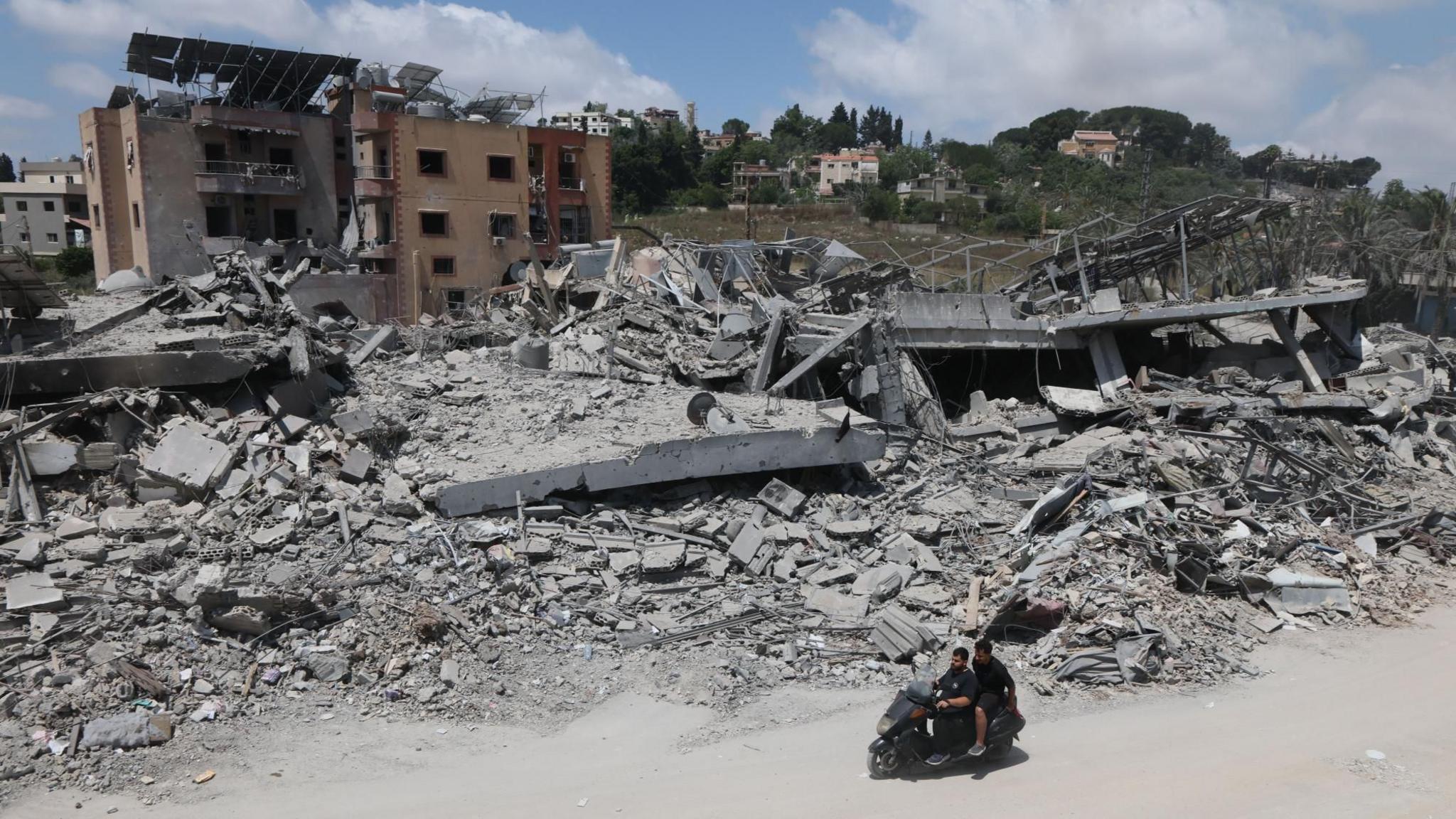
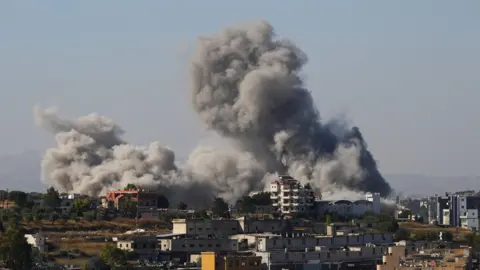
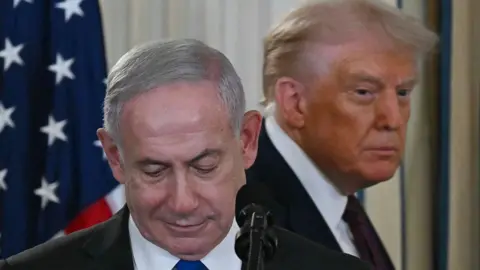
U.S. President Donald Trump branded Netanyahu’s decision to strike Beirut over the weekend as “no judgment.” The criticism is now being amplified by Netanyahu’s opponents and media alike, with the stakes high as Israel needs a new election before the end of October. The bill that once had Netanyahu calling himself “the political whisperer” has turned back‑on him, and “standing over the West Bank” he may finally lose his power.
Leaders of the far‑right national security department, including Itamar Ben‑Gvir, have already written on social media that the “Trump agreement does not bind us” and that Israel must not delegate security to a pact that does not guarantee our protection. In retaliation, Pentagon officials stated that “any Israeli strike that could be seen as undermining the ceasefire” would surely be met by strong US backlash. The wall that can allow Iran to declare its own limits has now turned a heavy weight on the cabinet.
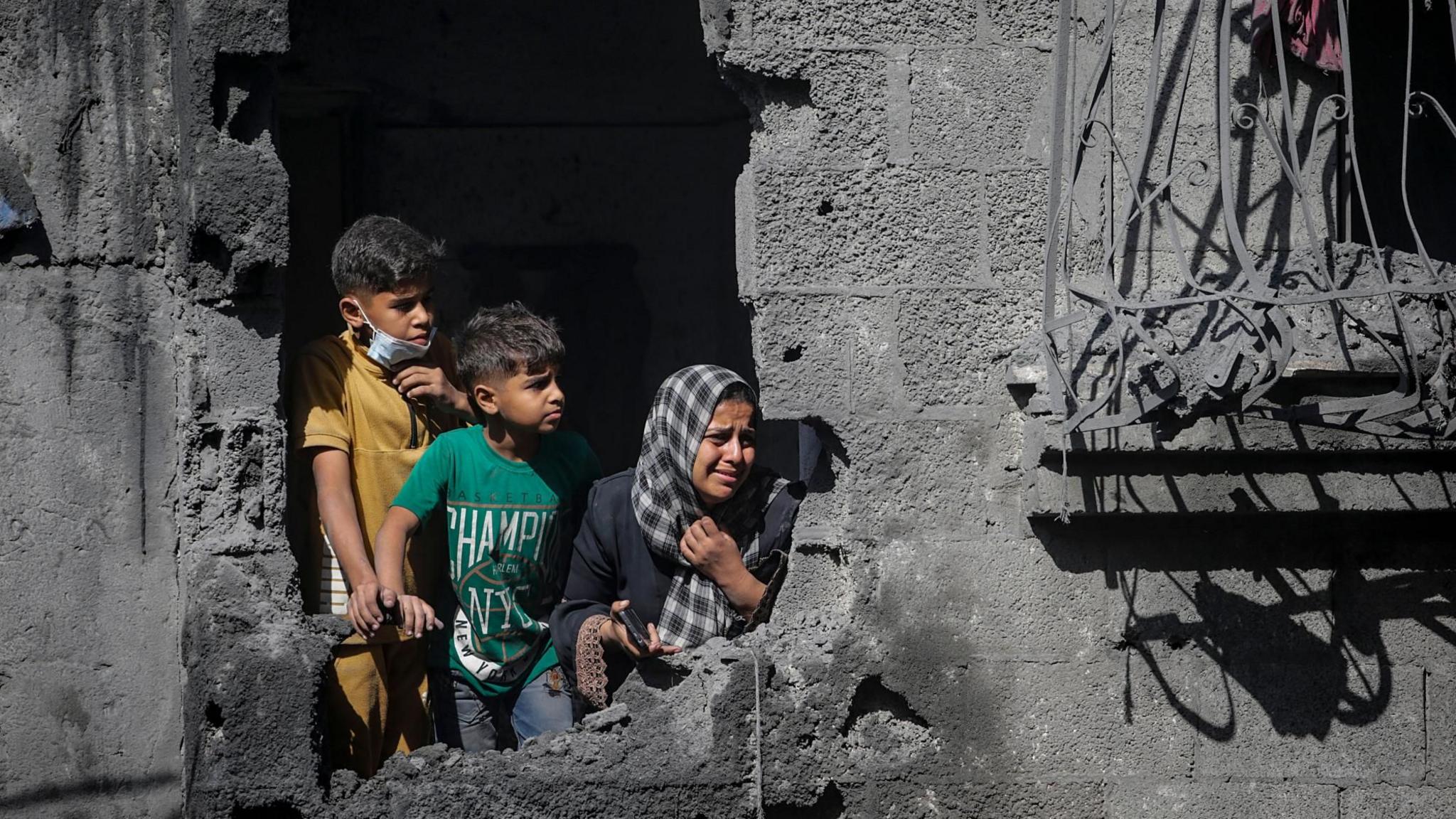
The aftermath is that Israel’s security narrative becomes increasingly hard to fulfil. For years his campaign was built around the idea that “security means eliminating the threat.” But with Gaza still partially controlled by Hamas amidst a stalled peace plan and a U.S.‐brokered legal office, and with no fresh path to negotiate a solutions, Israel’s military privileges have stretched thin.
Moreover, new polls show that the public not only calls for a new political environment, but also sees a growing gap between Washington and Tel Aviv. The “darkness” of the recent attack on Beirut says nothing but that Netanyahu is forced to face the need to either be a chief adapter and implement new security framework or surrender the country’s threat matter. The new security agenda is now<|reserved_200522|>es