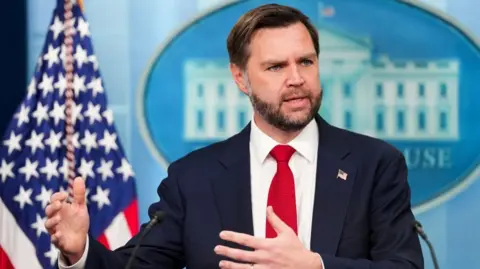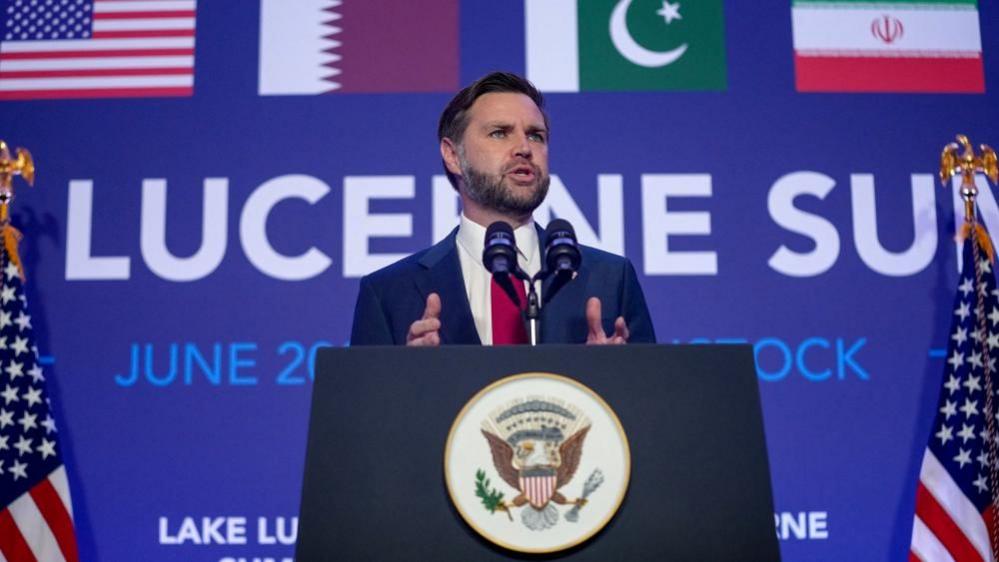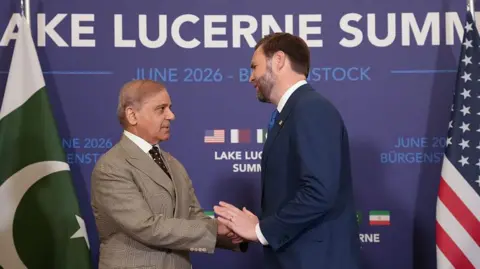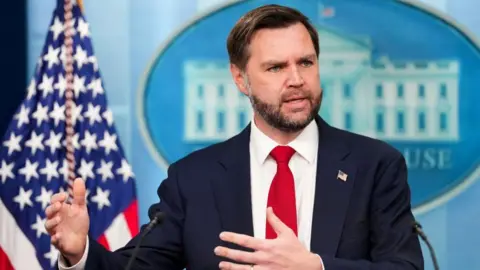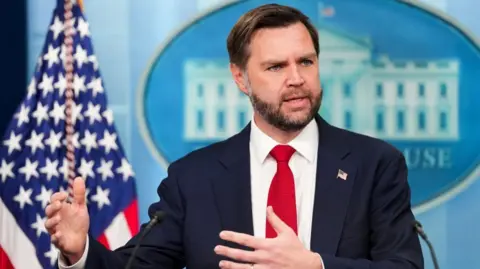
Vice‑President JD Vance delivered a forceful defence of the U.S. memorandum of understanding with Iran at a White‑House briefing, dismissing Donald Trump’s joke that he could blame the vice‑prime on a deal collapse.
Trump’s own signing of the paper copy of the agreement at Versailles and earlier hints that the agreement was a ‘joke’ further underscored Vance’s uphill battle, especially as the White‑House announced Vance would not attend the Swiss ceremony.
Vance’s block‑busting remarks on Israel’s reaction sharpened his public profile. He described the interim deal as a first step to halt Iran’s nuclear ambitions, but also admitted that nuclear issues remain unresolved for the next negotiations.
While Vance promoted his new book on Catholic conversion, critics still questioned whether the Biden‑centric strategy was a concession to Iran, drawing fire from Senator Bill Cassidy and Senator Roger Wicker.
The memo pledged a $300 billion reconstruction plan for Iran, yet Trump refused to discuss the details, tweeting that the fund was ‘Fake News.’ The public confusion encouraged Vance to clarify the U.S. role in several interviews.
Political strategists worried that Vance’s connection to the fragile deal could lead to criticism of Trumpism. Yet Vance’s diplomatic success could secure his place as a future 2028 presidential candidate.
In a tight week of shifting messages, Vance pressed the notion that falling fuel prices already demonstrated the deal’s benefit to Americans, and he expressed confidence that a final agreement would follow the Key issue hits.
As Vance headlines the Iran initiative, he faces the double‑edged sword of Val‑or from allies and the volatility of a republican party that remains divided on intervention and hard‑line stances.
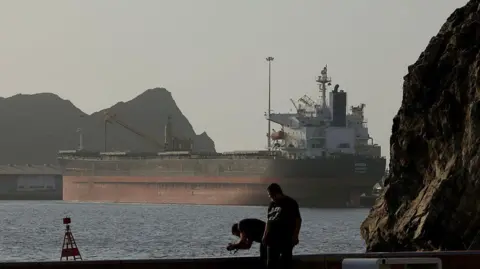
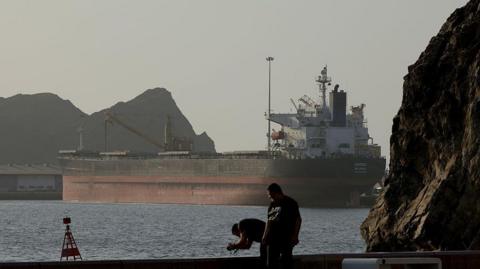
The Supreme leader’s comments and the subsequent naval blockade lift add another layer to the complex diplomatic narrative that the press and the public struggle to untangle.
Only time will tell if Vance can transform his temporary political brokerage into a lasting shift in U.S. foreign policy – or if the conversation about a final peace deal will simply die in the inter‑day lag of broken promises.