Israel launches fresh strikes on Lebanon amid US criticism
Israeli forces have carried out new drone and air strikes in the southern regions of Lebanon, state media reports, even as U.S. President Donald Trump voiced strong criticism of the country’s operations near the Lebanese border.
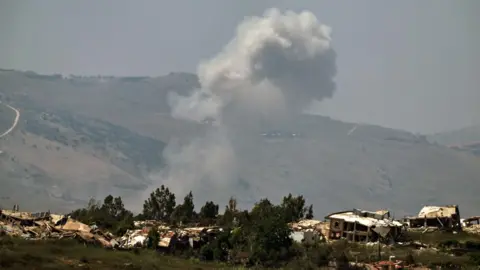
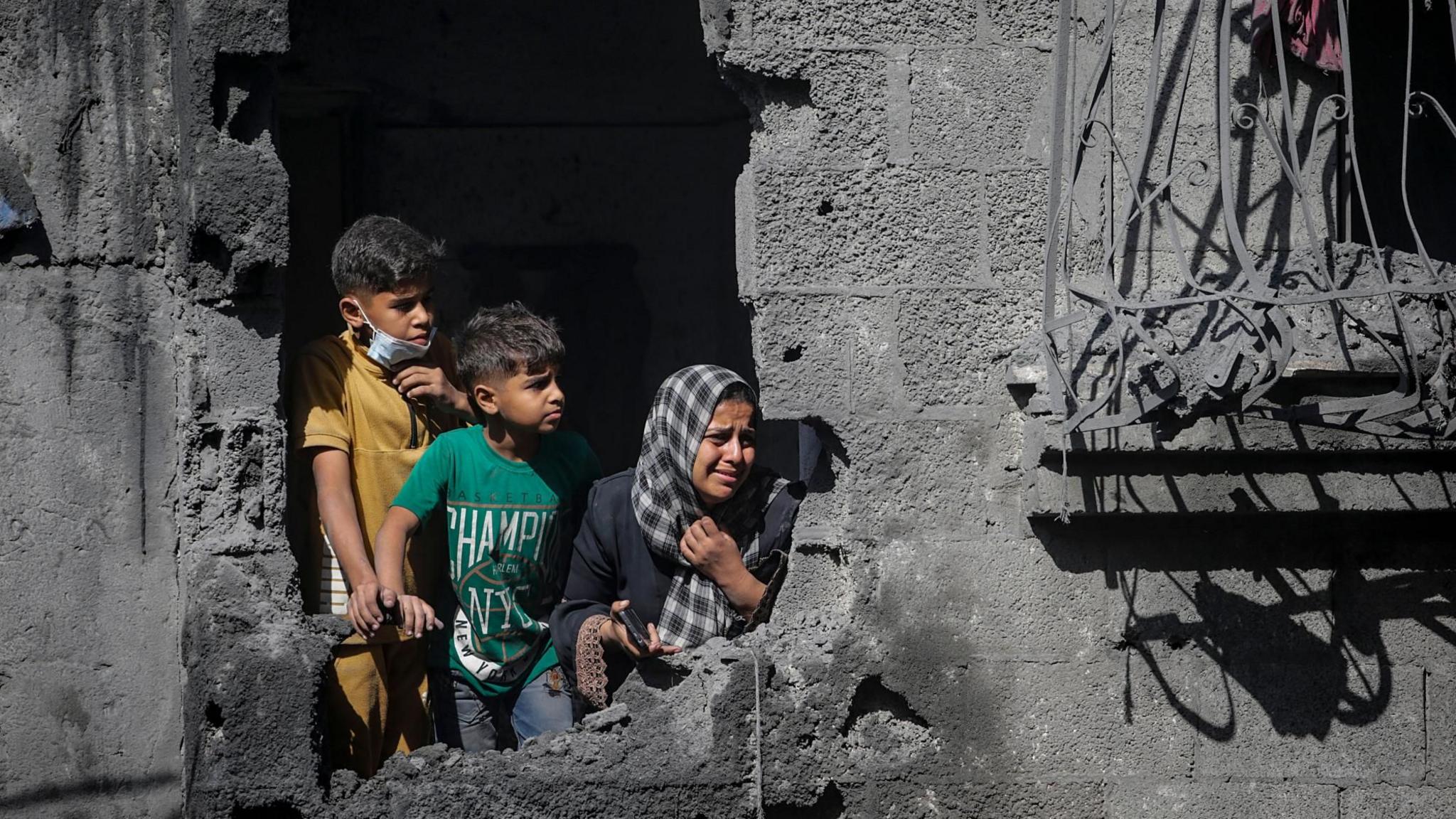
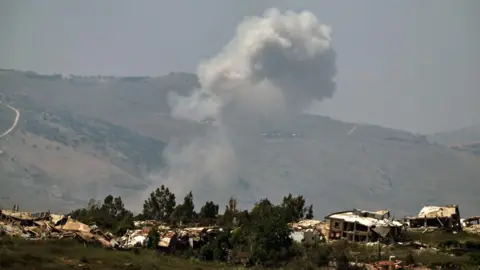
According to Lebanon’s National News Agency, Israeli drones injured several civilians in the towns of Mansouri and Aaziyyeh on Wednesday, while jets targeted Nabatieh al‑Fawqa and Kfar Tebnit.
Israel’s military confirmed that five of its soldiers were injured in a drone attack launched in Lebanon by the Iran‑backed group Hezbollah.
The United States‑Iran agreement signed on Sunday night includes Lebanon in a broader regional cease‑fire framework, according to mediators in Pakistan. The deal is intended to address tensions that have been igniting since Rouhollah Khomeini’s death in 2023.
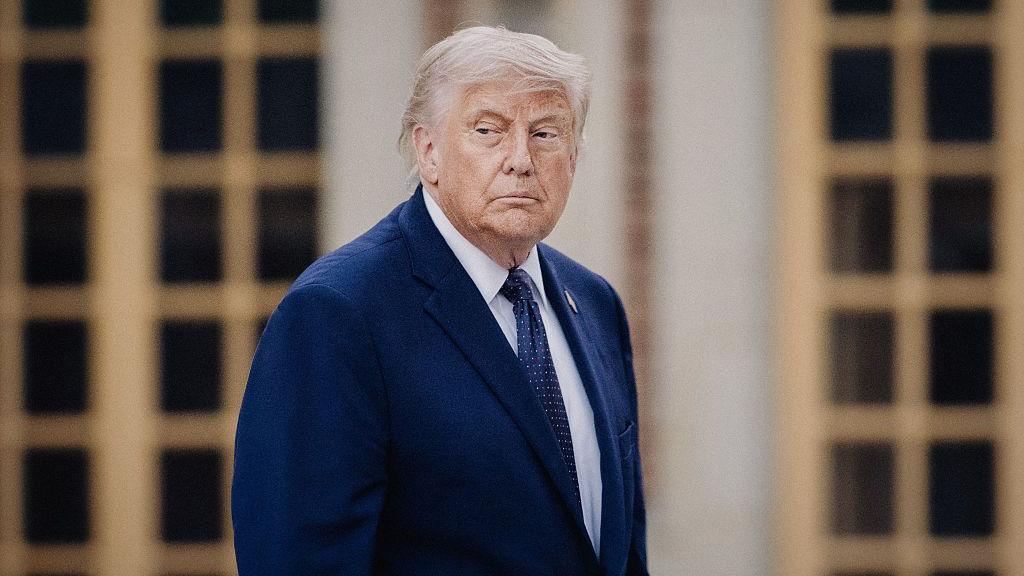
Earlier on Tuesday, Trump stated that Israel’s prime minister should act "more responsibly" with respect to Lebanon. He also warned that Israel’s prolonged engagement with Hezbollah was leading to numerous casualties.
Both Israel and Hezbollah have issued retaliatory strikes following the U.S‑Iran agreement announcement. The Israeli air strike on Beirut in response to a cross‑border rocket attack by Hezbollah is one example.
Lebanon was drawn into the wider war that began on 2 March when Hezbollah fired rockets into Israel, targeting a site that later killed Iran’s Supreme Leader.
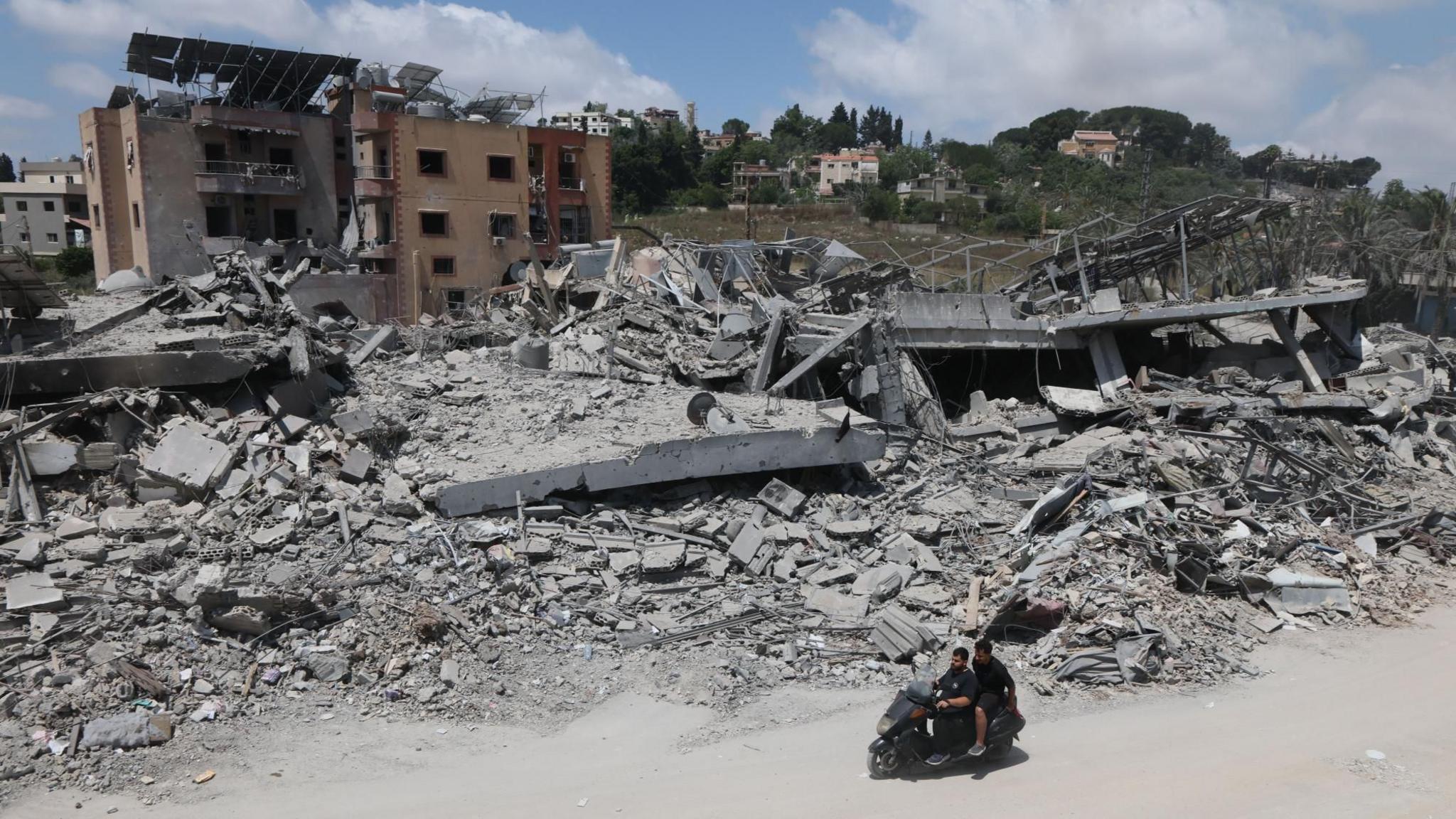
Israel responded with a bombing campaign that stretched across Lebanon and caused the occupation of a substantial part of the country’s southern border.
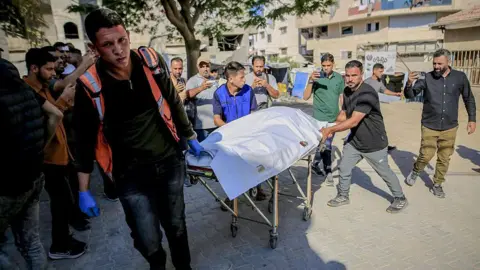
According to the Lebanese Health Ministry, more than 3,800 people have died in Lebanon during the conflict, a figure that does not differentiate between combatants and civilians.
Israeli officials report 30 soldiers and 4 civilians have been killed on both sides of the border.
Hezbollah’s leader Naim Qassem called the U.S‑Iran agreement a “great victory” and urged Lebanon to “benefit from this pivotal point.” He also demanded the withdrawal of Israeli troops from occupied territory.
Lebanese President Joseph Aoun said his country was pursuing an independent path in negotiations with Israel and favoured a ceasefire while welcoming international support, including from Iran.
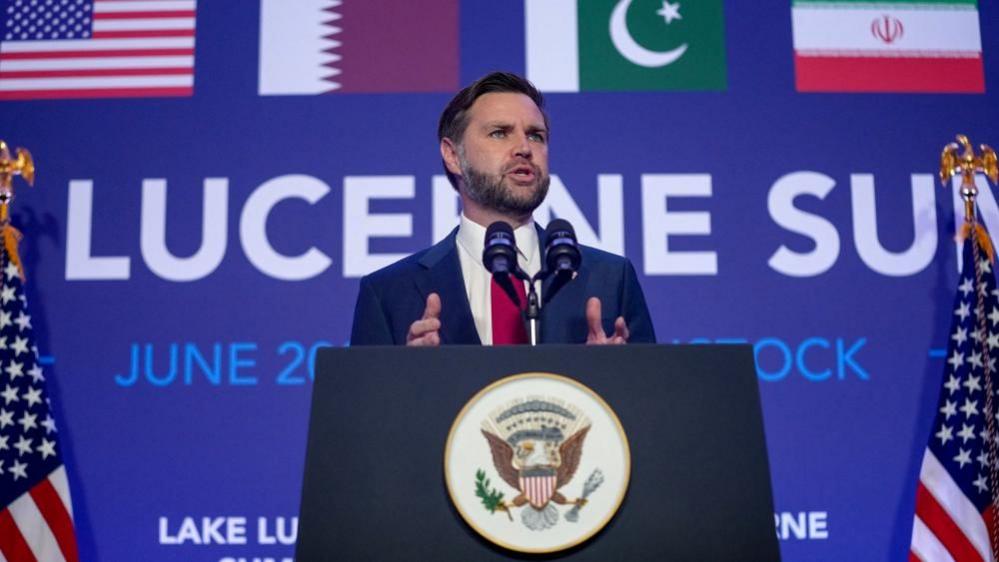
The US‑Iran memorandum of understanding has not been officially released, but parties expect to sign it in Bürgenstock, Switzerland this Friday.
Trump announced he would likely hold a news conference to read the agreement word by word, claiming it would avoid Iran obtaining nuclear weapons and free the Strait of Hormuz. He also insisted the deal was superior to the one negotiated under former President Obama, citing lower costs.
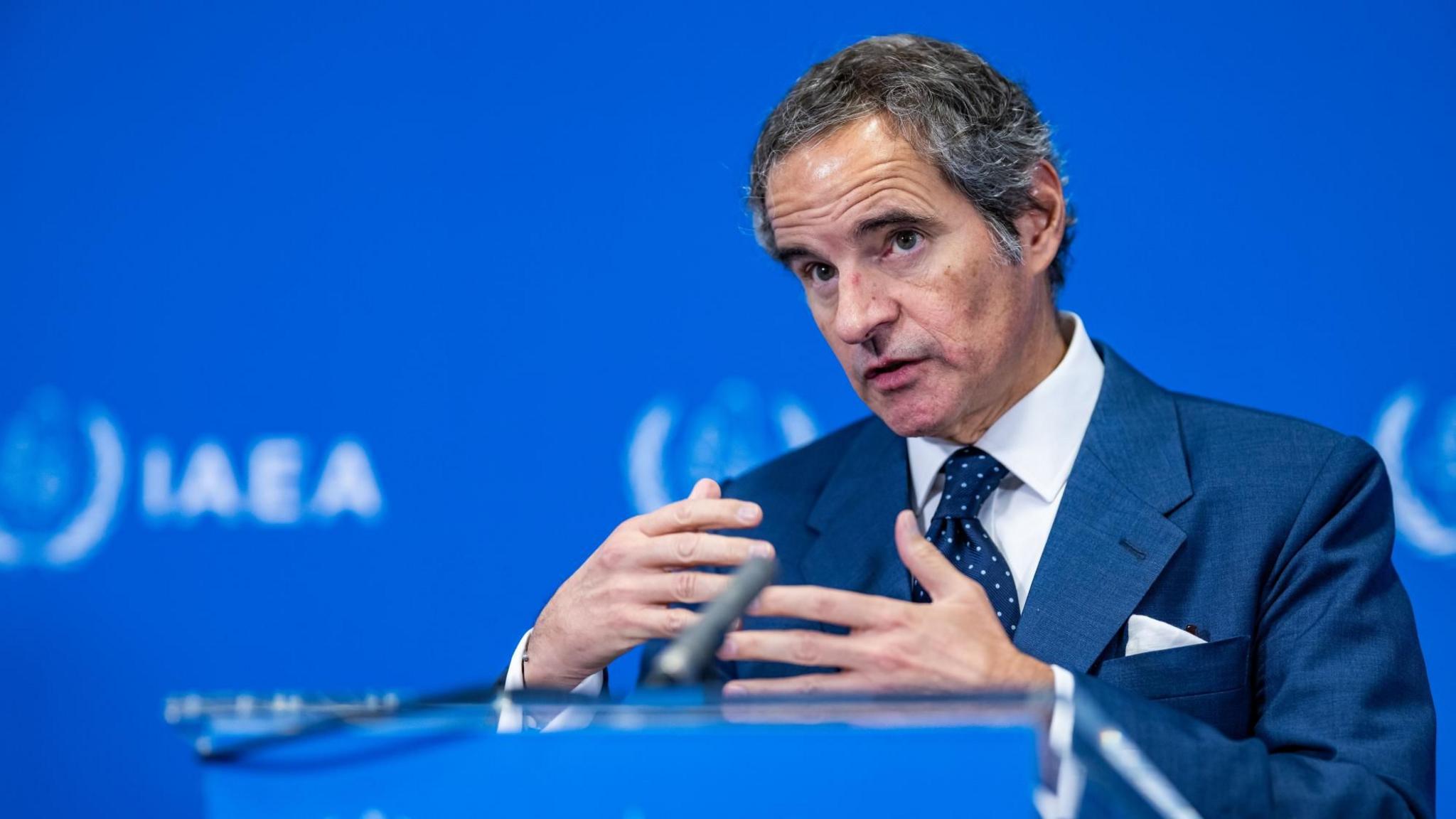
Under the 2015 Joint Comprehensive Plan of Action, Iran agreed to curb nuclear activities and allow inspections in exchange for sanctions relief and the release of frozen assets. The new agreement is intended to revise that framework whilst addressing episodic violence along the Lebanon‑Israel border.
The flurry of Israeli and Hezbollah attacks continues as the region navigates the aftermath of the U.S‑Iran truce, hoping for a lasting ceasefire that might stabilize the volatile southern frontier.