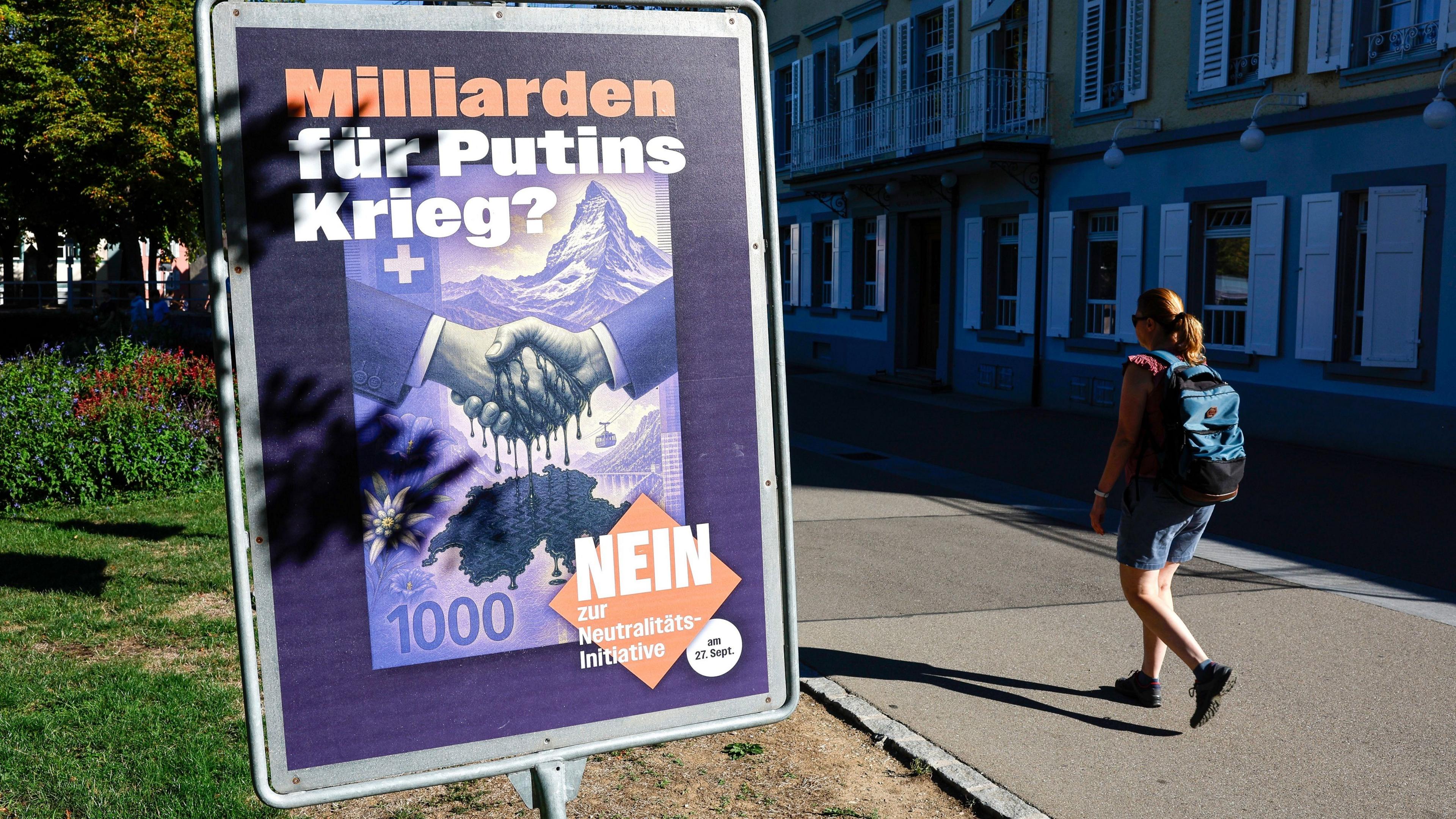
In a landslide national referendum, Swiss voters rejected a proposal from the right‑wing Swiss People’s Party to cap the country’s population at 10 million.
The vote closed with roughly 55 % against and 45 % in favour, against a turnout of about 60 % of eligible citizens.
The measure was feared to jeopardise Switzerland’s 43‑year‑old free‑movement agreement with the European Union, and was opposed by the government, business leaders and other parties.
Justice Minister Beat Jans welcomed the result as “a sign of stability, openness and reliability.”
Despite a rapid population rise from 7.3 million in 2002 to 9.1 million today, 27 % of residents are not Swiss citizens. The People’s Party argued a cap would ease pressure on transport, housing and the environment, but voters found the claim unconvincing.
Voters in cities – particularly Bern where 84 % voted “no” – and in tourism hubs such as St Moritz and Zermatt opposed the plan, fearing loss of labour for hotels, hospitals and care homes.
Business economists warned that a population limit could strain ties to the EU’s single market and hamper access to a Europe‑wide talent pool.
Swiss political experts say the result underscores that the electorate resists a simplistic immigration focus and prefers pragmatic solutions to housing and workforce challenges.