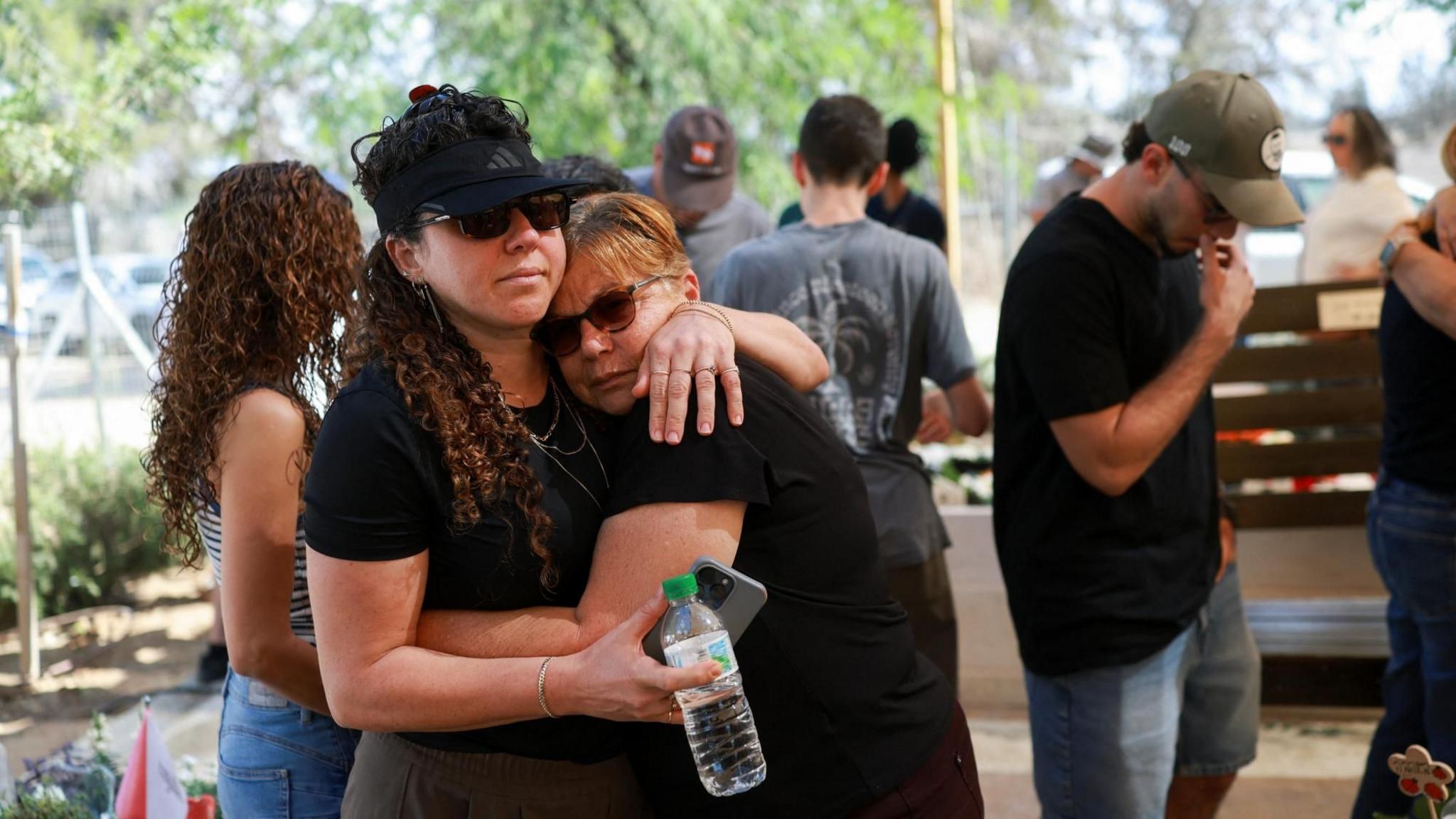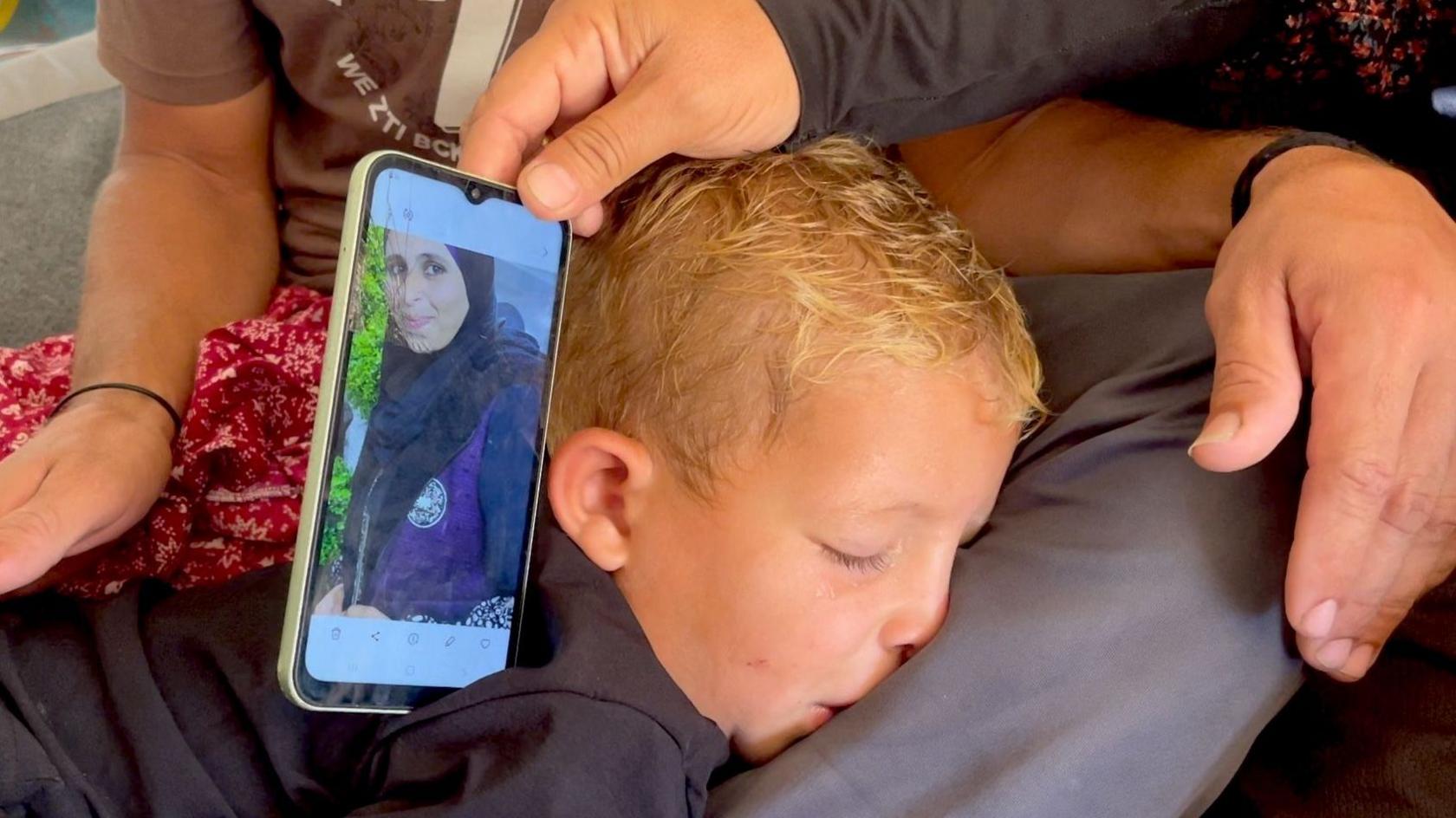
Fida al‑Toutah, 31, and her five‑member family were living in a cramped tent in central Gaza when the night‑time silence broke with the roar of gunfire. Her daughter’s hair was still combed when a bullet split the air, striking Fida in the head. Her son, Ezz, recalled the chaotic scene, saying his mother’s shout urging them to get down came too late.
Fida’s death on 21 September adds to the list of more than 1,400 Palestinians killed in Israeli strikes since the ceasefire took effect on 10 October last year. The Gaza health ministry, whose figures the United Nations regards as reliable, continues to record daily casualties—over 30 people died in the past week alone.
The ceasefire, signed to end the 7 October Hamas‑led attack on Israel, has stopped large‑scale bombardment and increased humanitarian aid, but Israeli forces have kept launching almost daily precision strikes. The IDF claims these target Hamas operatives, while families like Fida’s point to the very real threat of death lurking on the streets.
Compounding the tragedy, reconstruction efforts remain stalled. Gaza’s infrastructure is largely destroyed, yet international aid and materials are tightly controlled by Israel, citing security concerns. Ample reports note that households living in tented camps experience flooding, exposure, and lack of basic services, underscoring the humanitarian crisis.
Families in Gaza have moved multiple times in search of safety, yet the dense population and the “Yellow Line” that separates Israeli‑occupied areas from Hamas‑controlled zones create a perilous living environment. The blockade of supplies and the lack of reconstruction fuel deep scepticism among residents who fear that the promised peace may not translate into tangible improvements.
The international community remains divided. While the UN and other bodies push for complete ceasefire and reconstruction, Hamas demands the end of Israeli aggression and withdrawal of forces before it will relinquish heavy weapons. This stalemate has left about 2.1 million Gazans—many living underground or in makeshift homes—perpetual uncertainty and loss.
Despite the ongoing conflict, stories from the front lines display resilience. Through the lens of citizen journalists and the pulse of FlashPoint’s rapid alerts, the grim reality of Gaza’s civilians is brought into sharp focus. Each new report reminds us that the cessation of grand hostilities has not eased the daily agony faced by ordinary families, whose lives hinge on the fragile hope for a lasting peace.