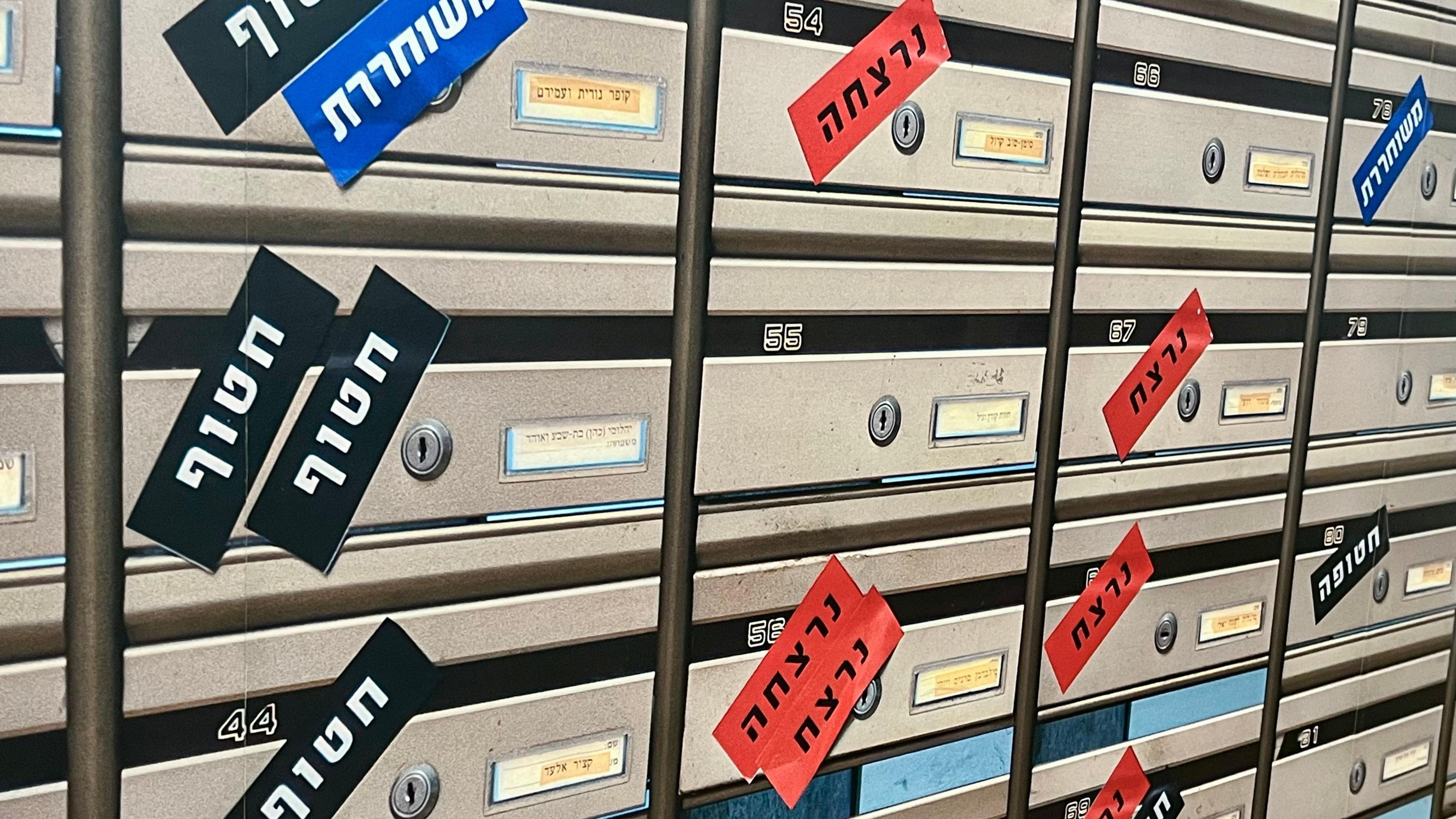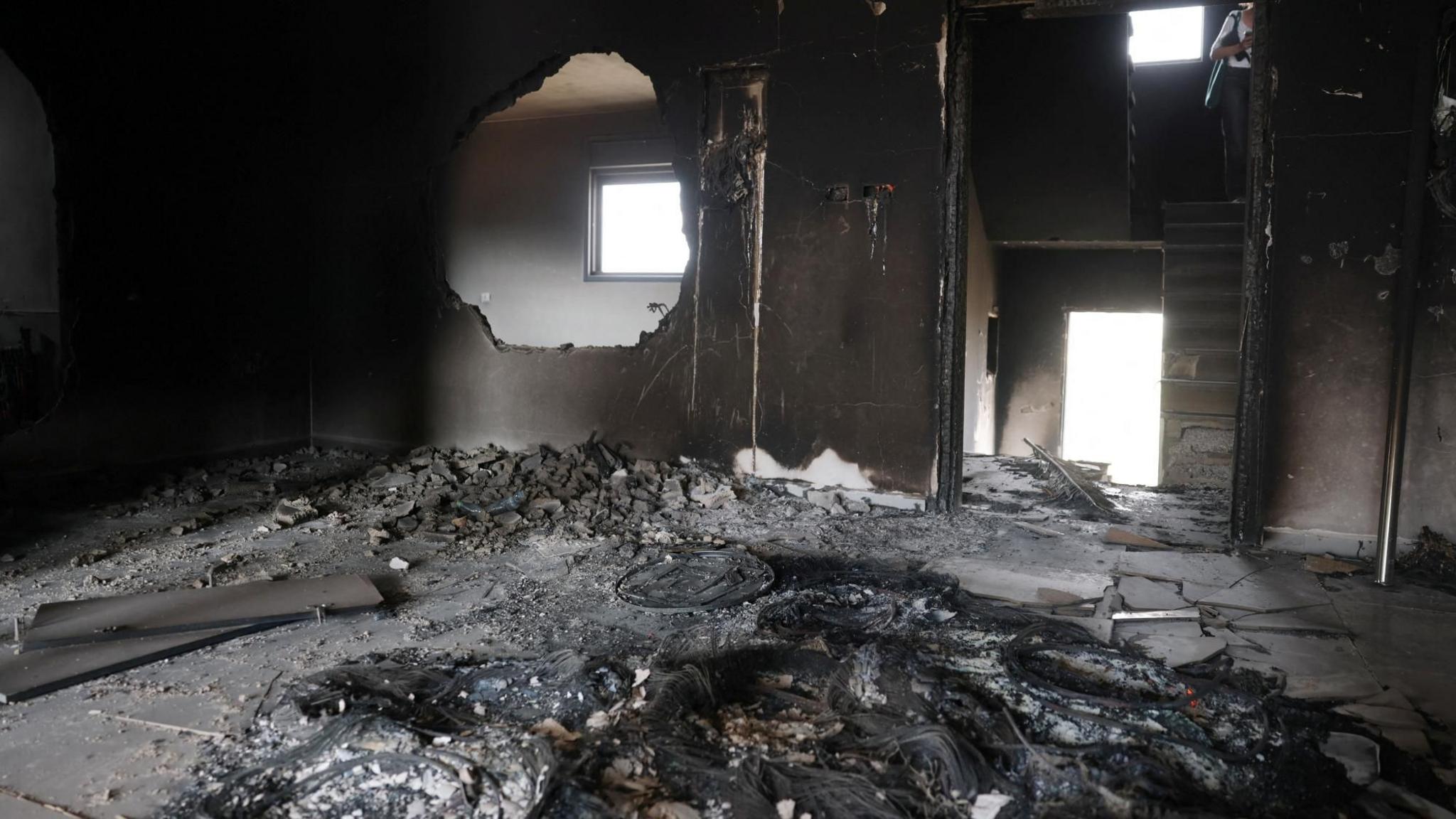

On 7 October the kibbutz of Kfar Aza was overwhelmed by a coordinated Hamas assault that drove through Israel’s Gaza border fence and struck the local civil‑defence squad. Fourteen members of the squad were killed, and the community lost a total of 64 people while 19 were taken hostage to Gaza.
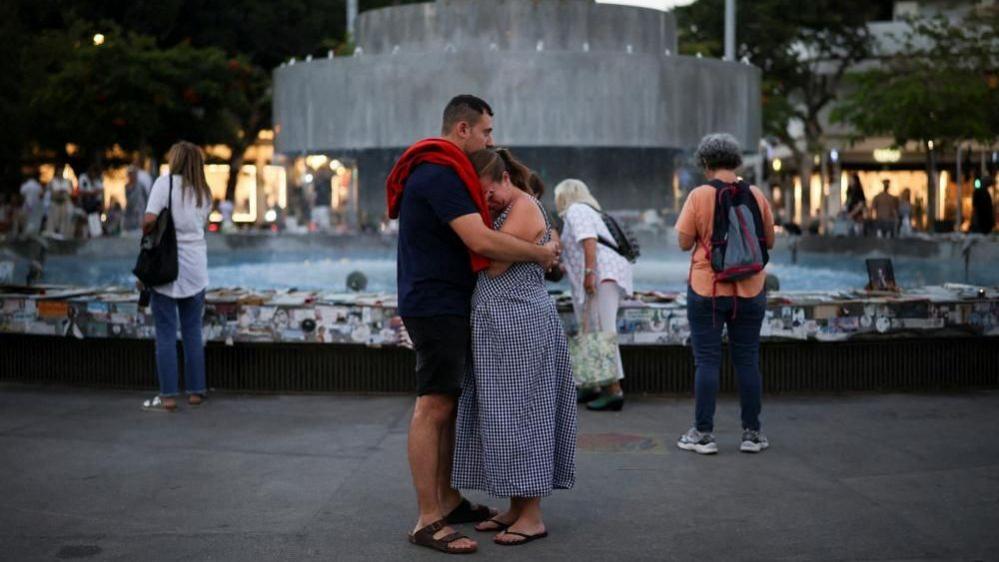
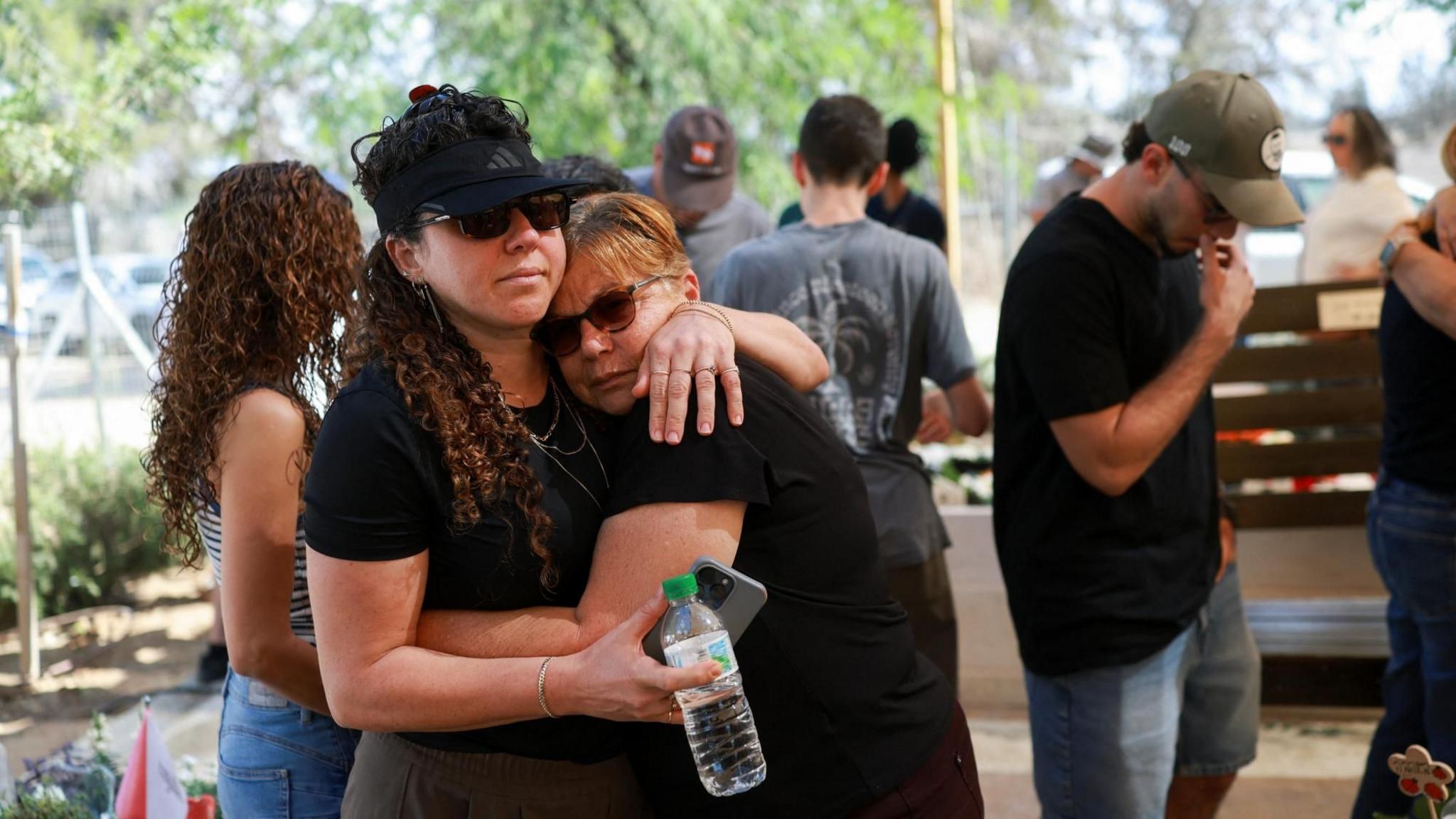
For survivors and families the memory of that day is still fresh, and their grief has turned into a demand for a full investigation. They argue that years of intelligence warnings went unanswered and that the failure to mobilise a rapid response left civilians exposed.
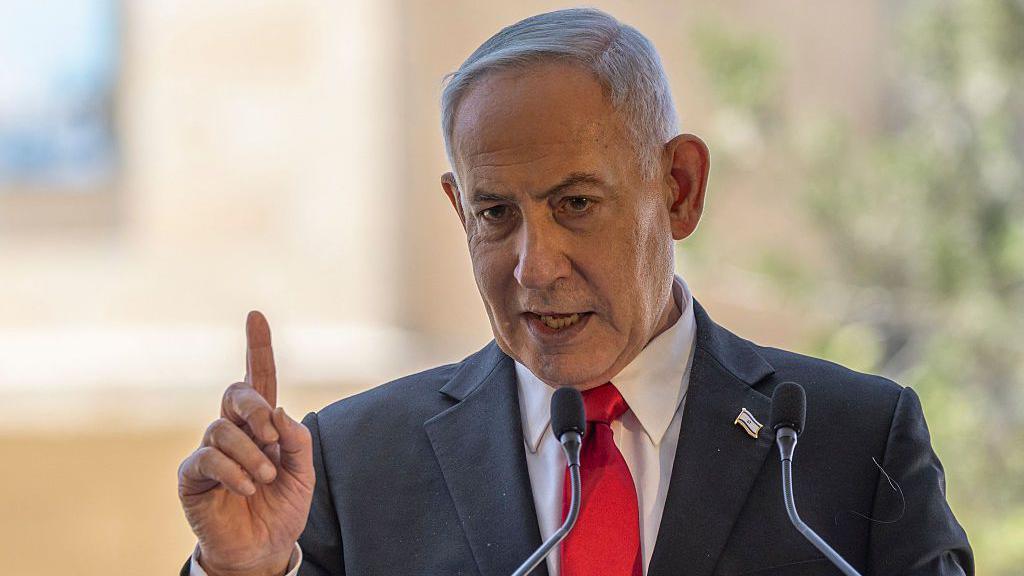
Prime Minister Benjamin Netanyahu has repeatedly denied any personal responsibility for the morning’s breaches. He claims that the security chiefs chose not to awaken him in the hours that preceded the attack to avoid inciting an unnecessary military escalation. The minister has also dismissed new reports that the president of the United Arab Emirates warned him of an impending operation.
In the political arena, opposition leaders have called for a commission of inquiry that would be assigned by the courts rather than the government. Former ministers and representatives of bereaved families are pressing the Supreme Court to force the state to create an independent body that can trace the chain of decisions that led to the failure.
The allegations of ignored intelligence and the lack of a transparent inquiry have become a key issue in the upcoming national election. Netanyahu’s campaign continues to emphasize his security record, while critics argue that his insistence on remaining in office risks repeating the same patterns that caused the 7 October disaster.
As Israel approaches the election deadline, the shadow of that devastating day remains a constant reminder of the stakes for the nation’s leaders and the ordinary citizens who endured the loss and injury caused by the attack.