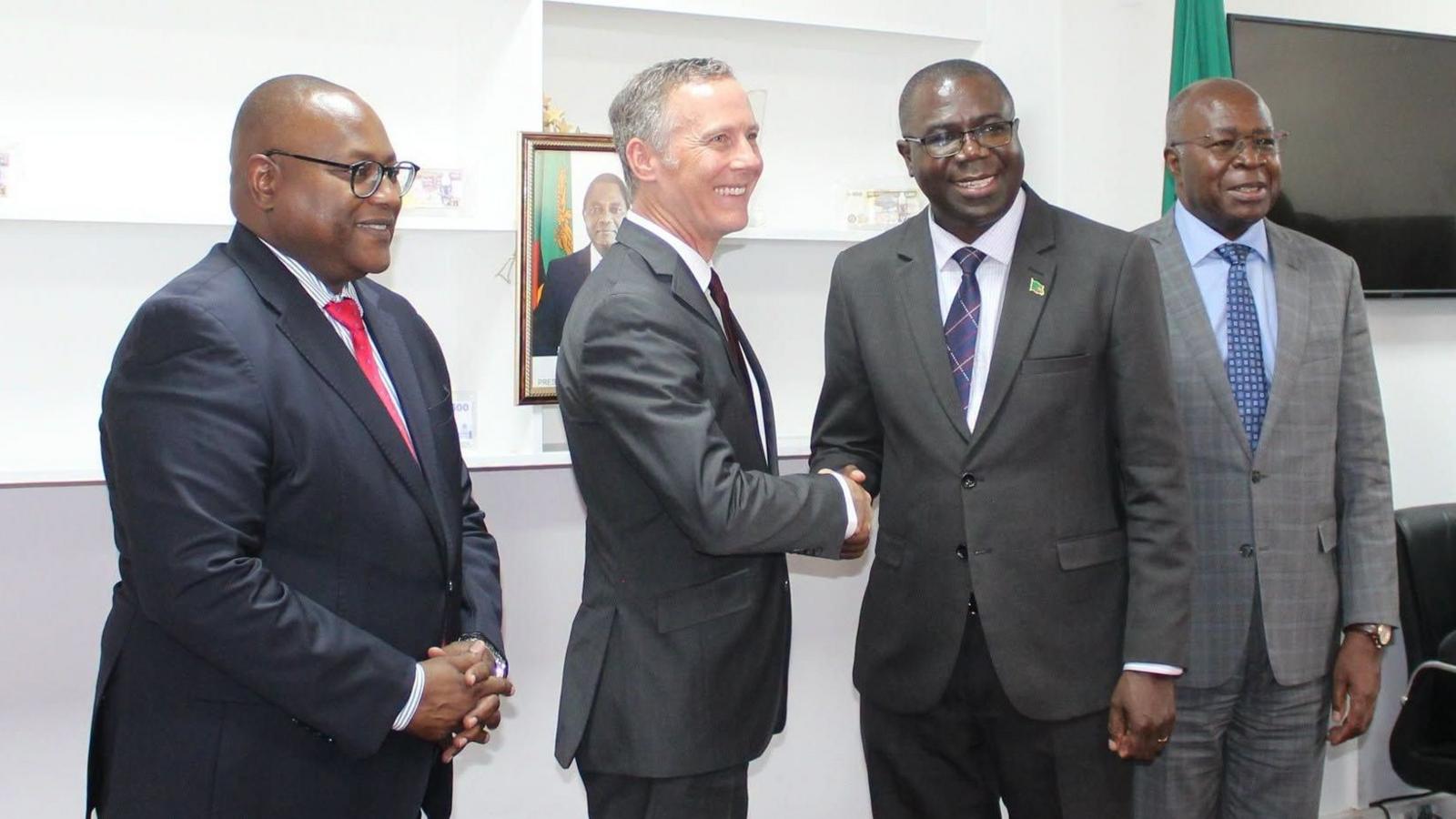
Zambia has secured a five‑year health financing agreement with the United States, worth roughly $1.5 billion, following months of public debate over data sharing and alleged mineral concessions. The memorandum of understanding, signed in Lusaka on Thursday, also includes a data‑sharing framework that promises to protect patient privacy.
Activists and civil‑society groups had criticised an earlier leaked draft that they said allowed unfettered access to Zambia’s patient data and pathogen samples. The new wording, according to Health Minister Roma Chilengi, eliminates any requirement for Zambia to send biological specimens to U.S. researchers and restricts data exchange to information needed to monitor the funded programmes.
The deal marks a shift from Washington’s former USAID model, which had largely funded health programmes in the country. Under the new arrangement, the U.S. will provide up to $1.5 billion, while Zambia will contribute a share, with U.S. funding expected to taper over five years as domestic spending rises.
Critics had also tied the aid to preferential access for U.S. companies to Zambia’s copper and other mineral resources, a claim the then‑U.S. ambassador denied. The revised agreement addresses concerns about privacy, intellectual property and benefit‑sharing, satisfying opposition groups and paving the way for renewed health support.
The partnership is intended to bolster Zambia’s fight against HIV/AIDS, tuberculosis, malaria, maternal and child health, disease surveillance and broader system strengthening, including hiring community health workers.