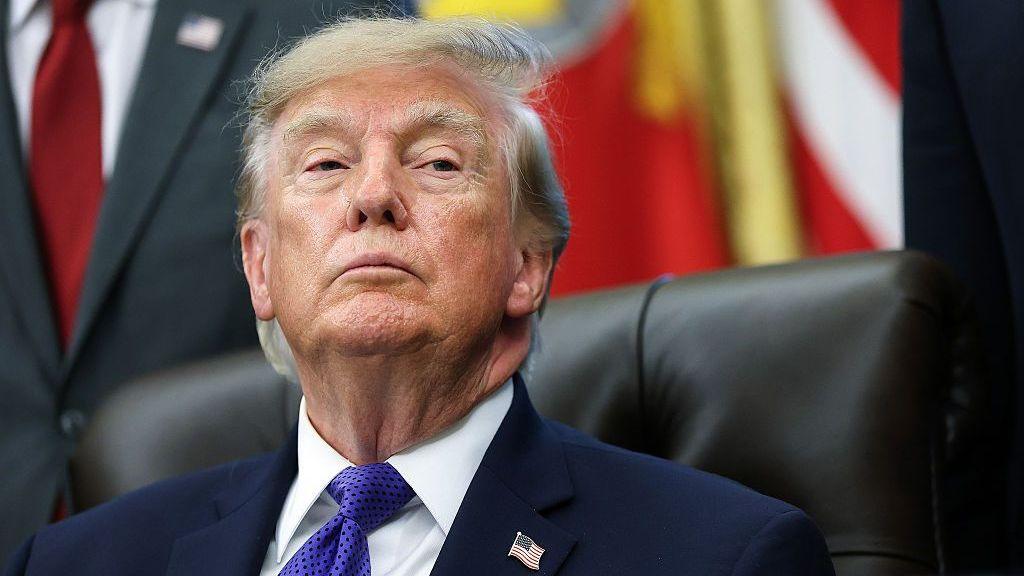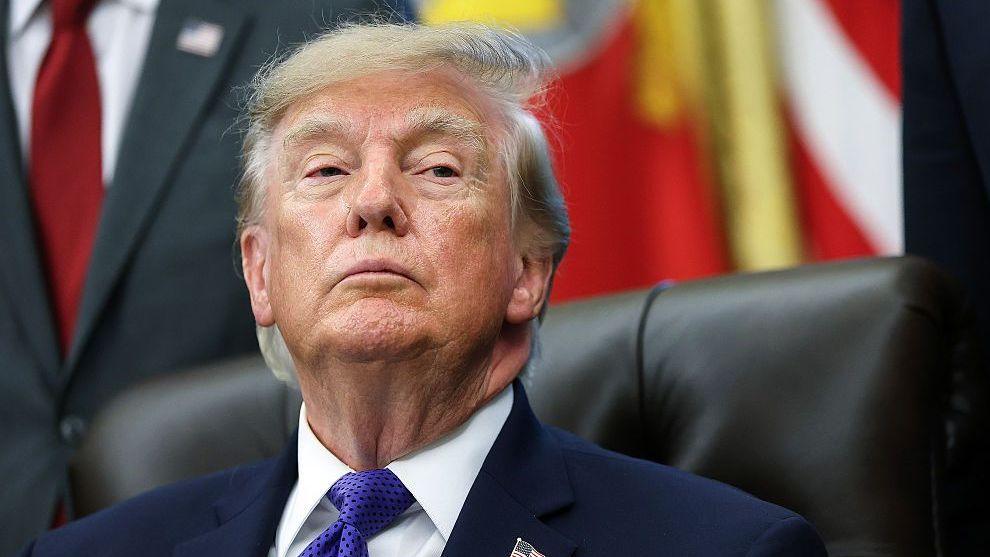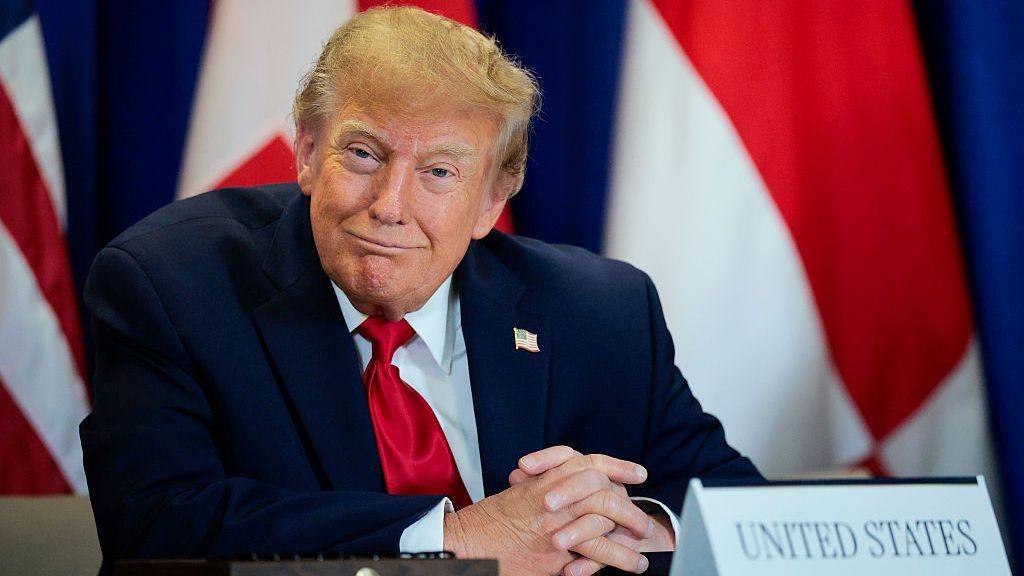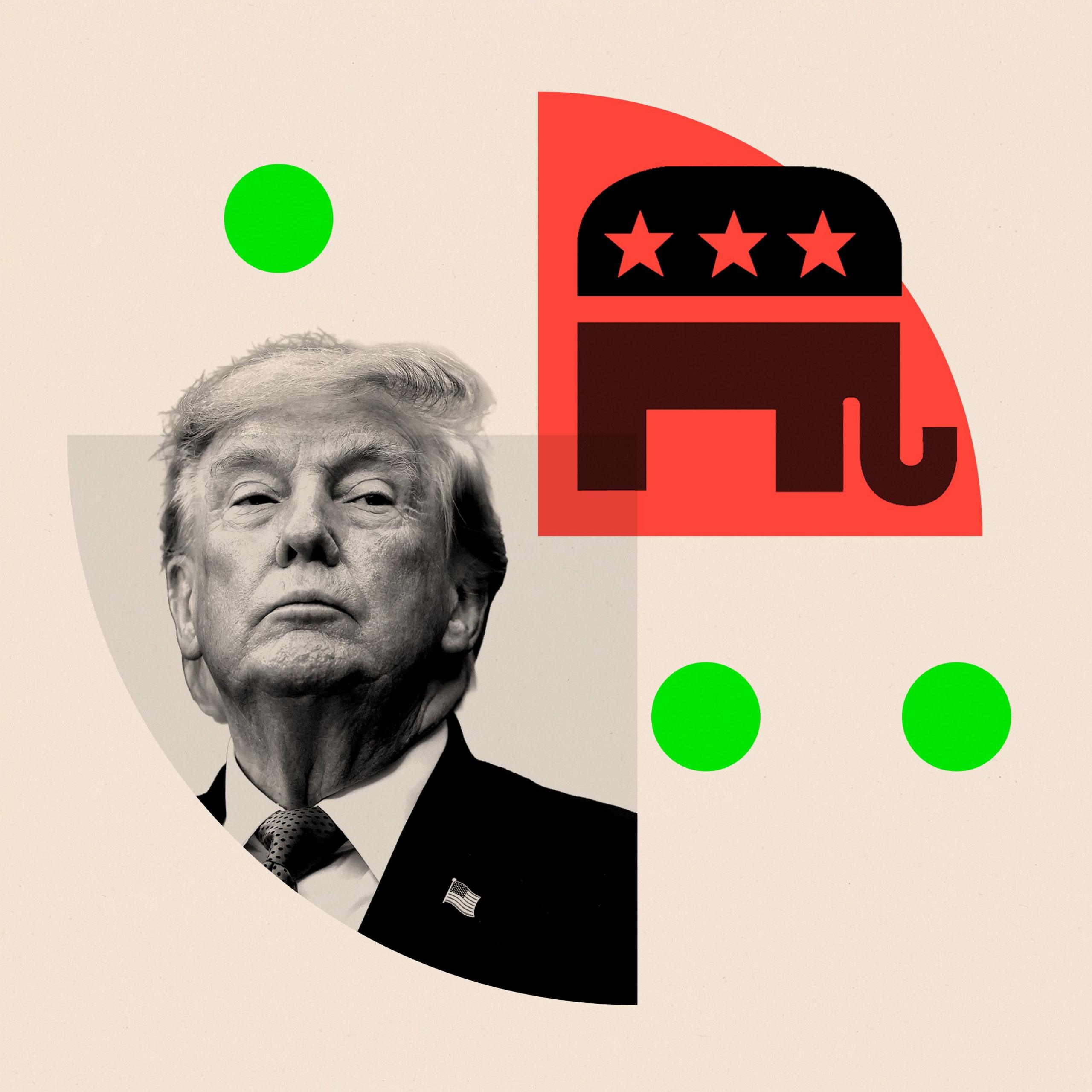
Donald Trump is traveling the final sprint into the 2026 mid‑term elections with a campaign that boasts record stock markets and low poverty, while polling shows that many voters feel the economy is getting worse.
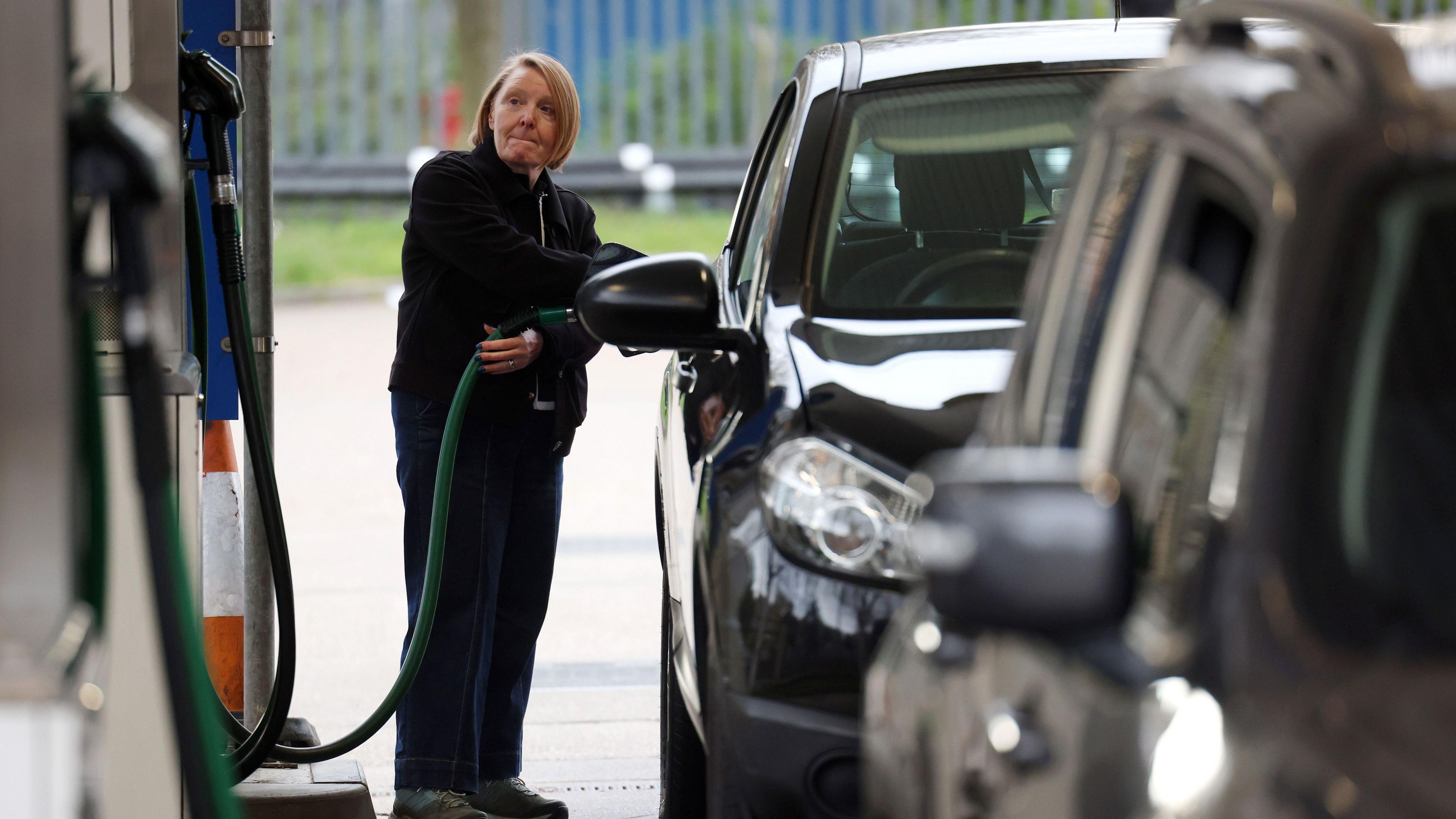
Republican hopefuls are forced into a tightrope walk: they must rally behind a president who still pulls massive crowds in flat‑fowed states, yet they must also speak to the rising cost of living that Americans feel in their daily budgets.
In Florida, House Rep. Byron Donalds – known for his all‑out support of Trump – has declared his run for governor with an endorsement from the former president. At a roadside rally, Donalds said, ‘We’re the best state in America, but success has gotten expensive.’ He emphasized how retirees, teachers, and local workers all struggle to make ends meet, deliberately steeling him to a sound‑billing that avoids names until the final decision.
Other GOP candidates echo this blend: Bryan Avila, running for lieutenant governor, cited crime and inflation as security pillars, while in Iowa Senate races Republican congresswoman Ashley Hinson pushed an “affordability agenda” against federal failures. A November poll shows 26% of voters approve Trump’s economic management but only 17% approve of his handling of the cost of living.
The narrative is clear for the GOP: to survive the election they must highlight the President’s stronger economic achievements and tie them to affordability concerns. At the same time, every candidate faces the unwelcome prospect that a heavy down‑turn in public sentiment could turn the tide against their party, even if people still dislike the opposition.
In short, Republican candidates are taking surviving, not winning, as their prime imperative as mid‑term battles near. Their messaging strategy must be two‑pronged: lionise the “Florida dream” and target the hot‑button issue of rising prices.