Nir Oz in the Afterglow
In the silent hall of a dining room that once pulsed with laughter and community meals, the only voices now are the distant coo of roosting birds. The room stands scarred, its exposed ceiling tiles a map of bullet holes and long‑delayed beams of light. That scar marks the center of a 400‑strong Jewish community that was torn apart on 7 October 2023 by a Hamas‑led incursion.
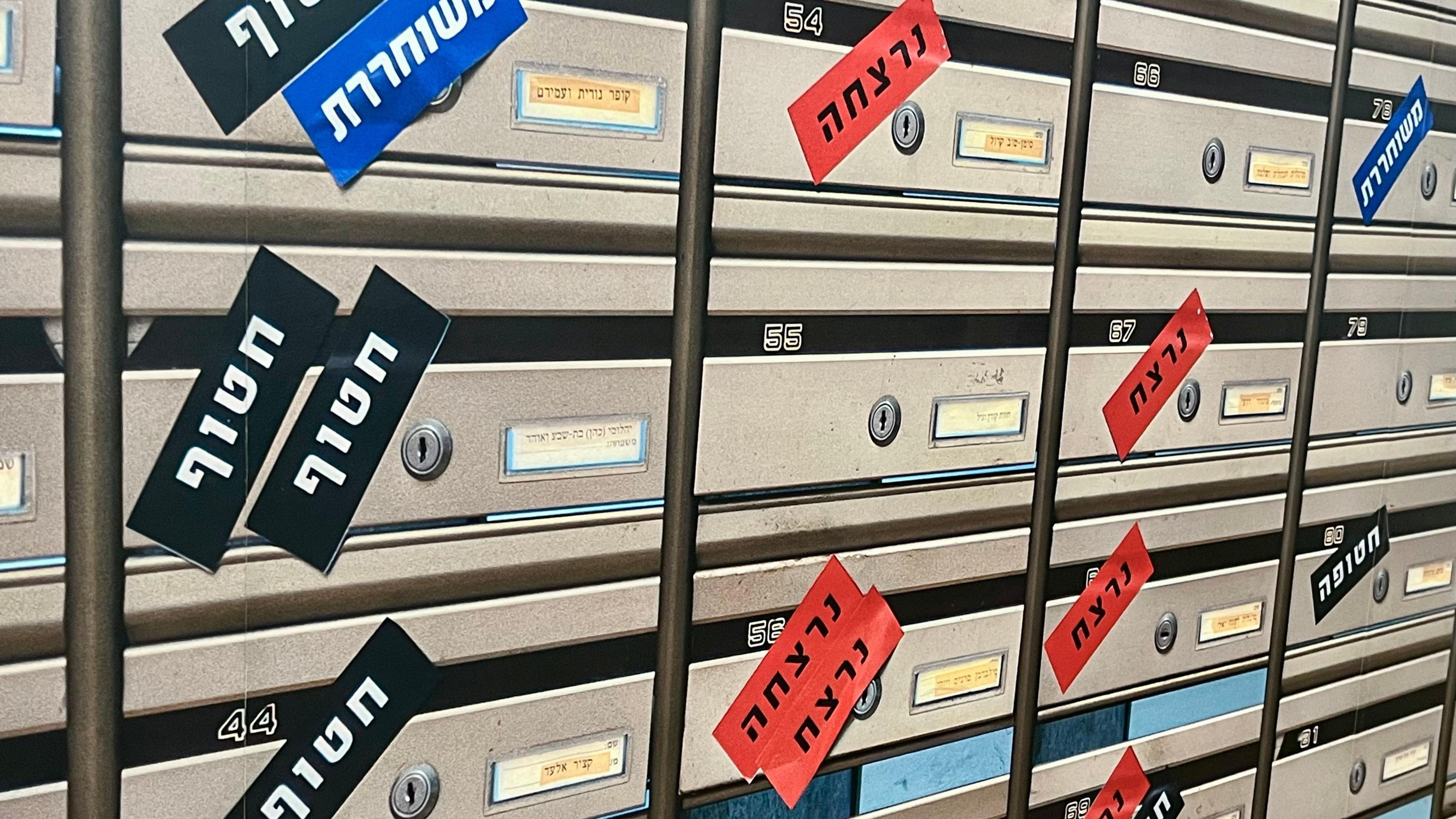
Dalit Ram Aharon, husband Achi, and their three children survived after hiding in a bomb shelter for almost twelve hours. Their story, told in hushed confidence, replays a day when friends were suddenly missing from the community, little houses turned to rubble, and the sound of shell fire replaced the hum of kitchens. In the community’s ruined postbox line, the red stickers on those that citizens lost, and the black ones that went missing still echo the magnitude of grief experienced: one quarter of the original population lost or abducted.
One of the most raw scenes is the ruined house of the Siman Tov family, a place once filled with life, now only a wind chime hanging by a door and a photo of four children—two girls and a toddler—awaiting the memory of victims. The parents, founding members of the kibbutz, died months after the attack, their legacy now ocean‑blue their children’s memory. The stone remnants of their home are seen as evidence, denied by some who say that visibly destroying houses undermines the collective memory of the tragedy.
At present only about 20 of the kibbutz’s original 300—or 400—houses have been rebuilt, with more under reconstruction. The new work is led by Emi Palmor, director of the Reconstruction and Rehabilitation Project. She admits the challenge of distinguishing memory from trauma: the debate is whether to erase the house’s scars entirely or keep them as a testament to the loss. When she addresses communities, she cites two examples: those returning to their homes such as Gadi Moses, the oldest surviving male hostage; and Yair Horn, who crosses the street with a golf buggy, eyes on the rebuilt landscape.
The Israeli security forces’ inability to stop or slow the attack has left the community of Nir Oz drenched in frustration. The absence of a single standing house that can testify to the siege has become a tactical debate, paired with the anger that the official level of aid has fallen short for so many families. This mismatch has kept the kibbutz haunted by the memory of smoke, the sound of gunfire, and the manner in which the independent attack was carried out when the last Hamas fighter left.
From the perspective of Dalit and Achi the brain’s trauma is deep. She remembers her son’s words: “Mum, I don’t want to die on my birthday,” as they tipped into a shelter that still echoes how they stayed for many hours on the day that slipped away and was never caught in the fire of a channel sweep. Nobody treated them in that day like they wished. It brings pain, no longer even needed for the sense that supporters of the siege’s destruction consider as the final word.
For the moment the residents of Nir Oz remain as a corner of a crisis, with the division over destruction, peace or complete haven these misunderstanding and social fabric still facing the challenge to overcome the gaps in the neighbourhood.
The way ahead for the survivors, the families that lost loved ones and the sparsely populated homes remains unresolved and a mainly open question-of people come to the kibbutz. The possibilities are: none for major structural work and break. The community has had to be updated to become a huge cave or post‑traumatic redevelopment