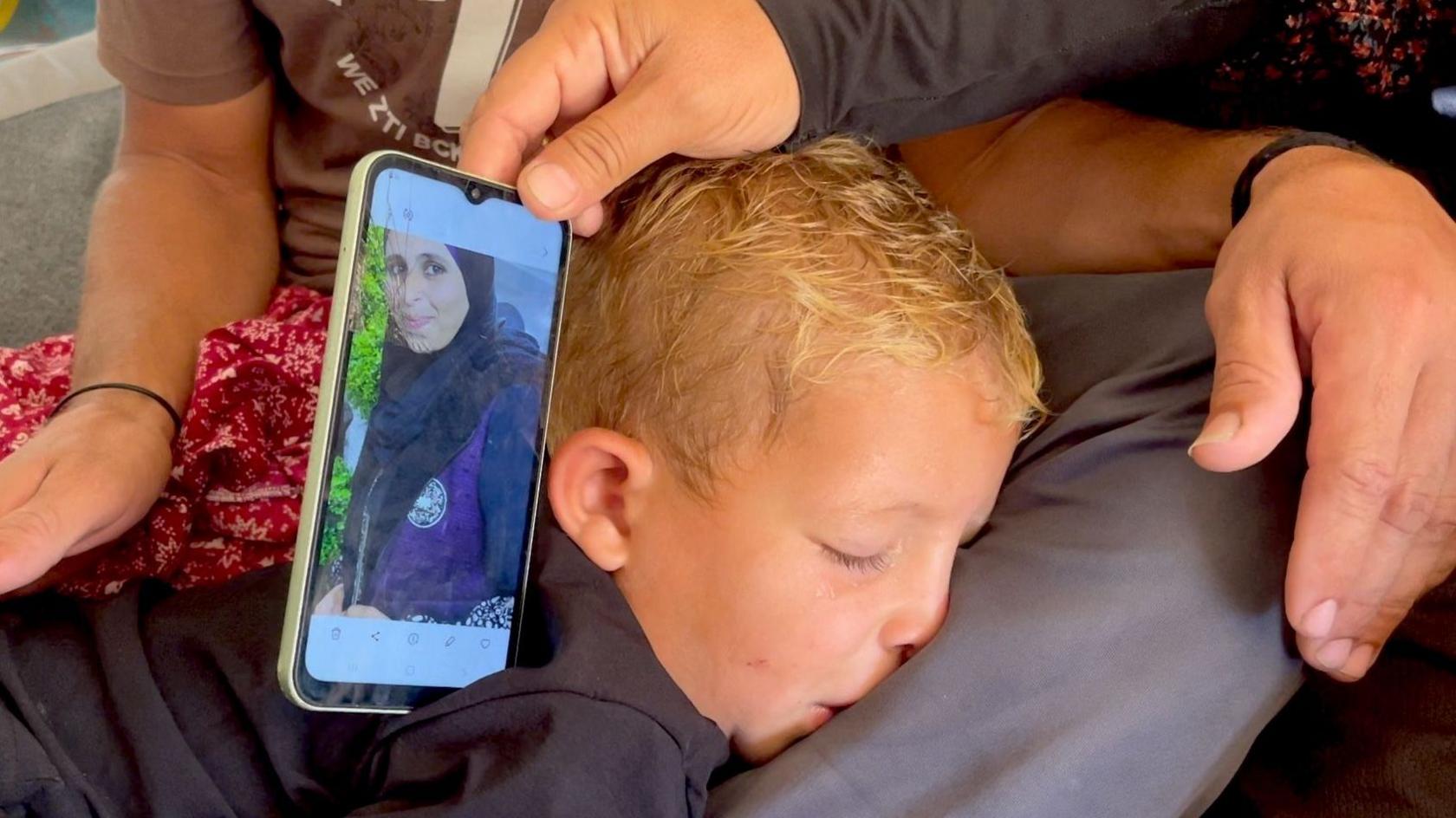

Fida al‑Toutah’s death—a 31‑year‑old mother of five—occurred in early September when Israeli gunfire exploded in her tent in central Gaza. Her son recalls, "My mother shouted at us to get down," and later realised the gunshot had taken her life when he saw the blood‑soaked hands of his younger brother clutching her. Fida died at 21 September from a head wound.
She is one of more than 1,400 people killed in Gaza since the ceasefire was announced on 10 October last year, a figure considered reliable by the UN. The Gaza health ministry’s data shows that Israel has continued to strike almost daily even during the truce, killing dozens of civilians in the past week alone.
Israel says it is targeting Hamas operatives and accuses Hamas of violating the ceasefire, but an IDF spokesperson said it had no record of Fida’s killing. The dispute reflects a broader stalemate: peace talks stalled, while Israeli forces maintain control over a growing swath of the Strip and deny humanitarian aid access. Amid this uncertainty, families like Fida’s have fled, lived in tents and suffered repeated attacks.
The 2025 peace deal promised reconstruction, but rebuilding has not yet begun—blocked by an impasse over the second phase and restrictions on building materials. Residents such as architect Amal Alabadla now raise children in tents on the coast, fearing flooding and wind‑driven destruction. She reports that no one can rebuild a safe future for her kids and she remains uncertain of Israel’s assurances.
The story’s uncertainty underscores a hard reality: children and families are living under constant threat while reconstruction remains a distant goal, and the ceasefire has yet to translate into lasting peace or safety for civilians.