Every Day a Killing
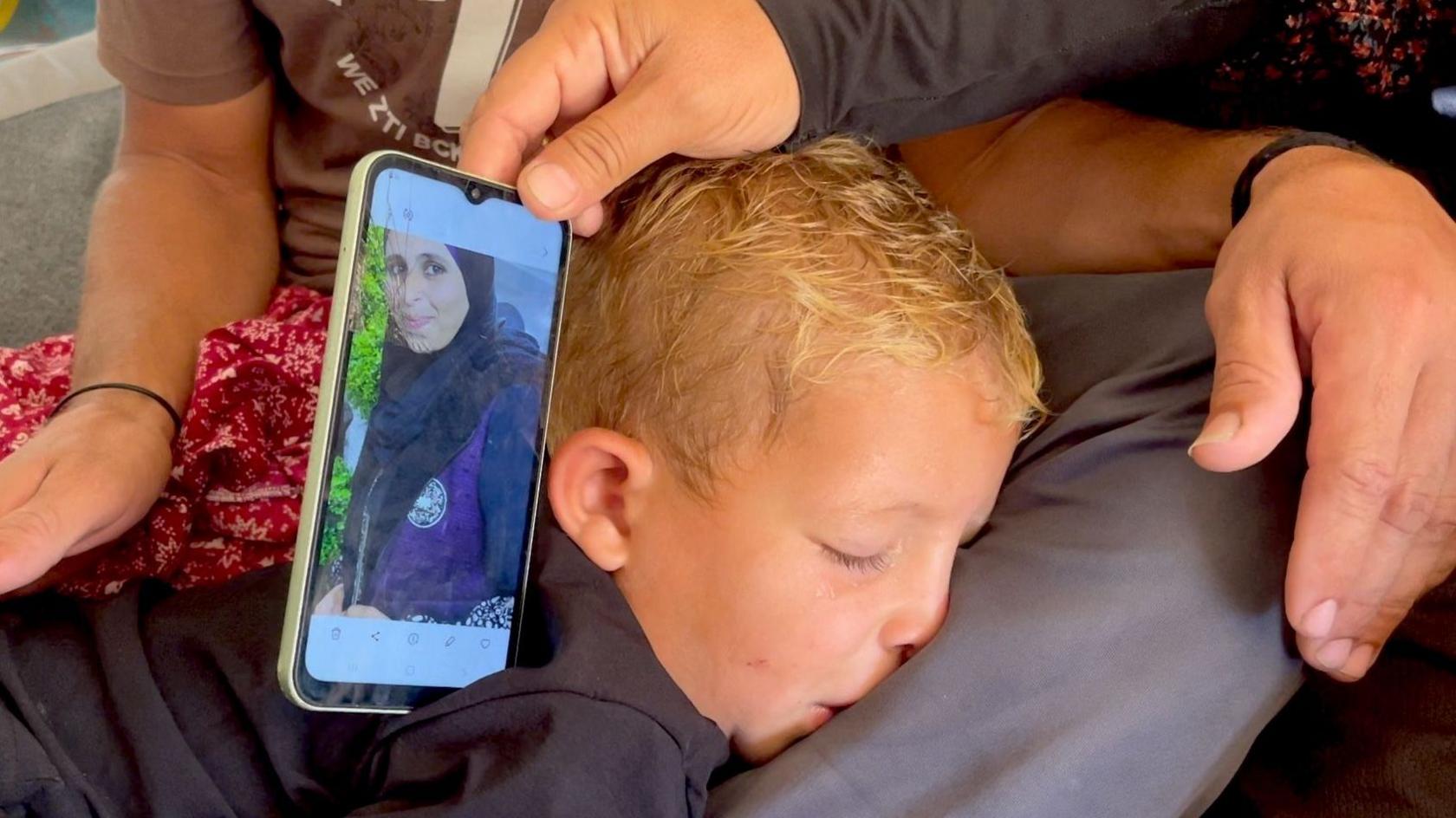
In a cramped tent in central Gaza in the early hours of last month, Fida al‑Toutah, a 31‑year‑old mother of five, was combing her daughter’s hair when the sudden thud of gunfire exploded through the air. Her son, now a teenage boy, later remembered his mother shouting for them to take cover as bullets whisked past. Tears streamed from his eyes as the realization hit him: Fida had been struck by an Israeli shell, her life ended in a single head wound on 21 September.
Her death is one of over 1,400 people killed in Gaza since the ceasefire that took effect on 10 October 2023, a count drawn from the Gaza health ministry that the United Nations regards as reliable. The ministry, which has chronicled the loss of more than 300 children during the same period, lists Fida among the civilians whose lives were cut short by Israeli mortar and drone strikes.
The ceasefire, which had freed thousands of Palestinians from Israeli custody and opened the door to humanitarian aid, was hoped to usher in peace. Yet almost daily reports confirm that Israeli forces have fired on Gaza, claiming they are targeting Hamas elements. The aftermath is grim: in the past week alone, more than 30 people died from Israeli bombardment, and both the IDF and Israeli officials admit no record of Fida or the 14‑year‑old Ismail al‑Bardawil, who was later killed skirting the Mediterranean coast.
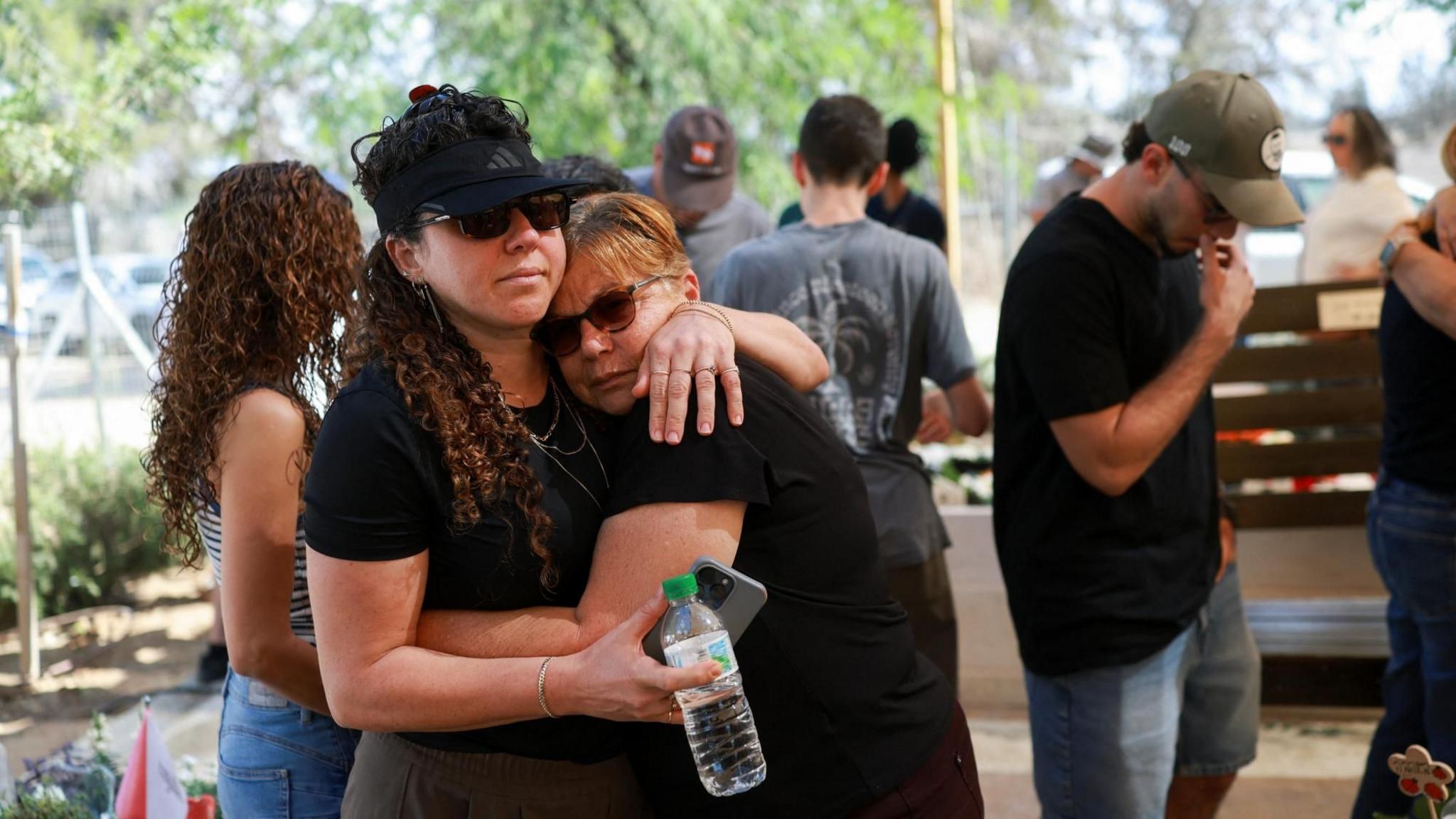
The toll is not just numbers. Families such as Fida’s story—pointed out by her brother Ibrahim who describes the punctures in their tent from a volley of bullets—illustrate the daily terror. They have relocated seven times, yet no safe haven remains untouched. The Gaza Strip, currently squeezed to less than 40 % of its pre‑war territory, remains a cramped battlefield where refugees live under a constant threat.
Reconstruction efforts have stalled, impacted by political stalemate and tight Israeli control over building materials. Sagging hope is echoed by Amal Alabadla, who now lives in a coastal tent with her two boys. The daughter’s struggles—her children’s hospital visits, the unpredictable flooding, the isolation from family—mirror the bleak reality for thousands in Gaza. She laments that rebuilding is denied, casting doubt on promises of safety for the next generation.
With the finalisation of the 2025 peace deal still uncertain, humanitarian agencies express deep skepticism about real change on the ground. The continued denial of clear communication and the long‑term impact of the ceasefire’s failure underscore a dire need for accountability and tangible aid to those who have endured relentless violence.