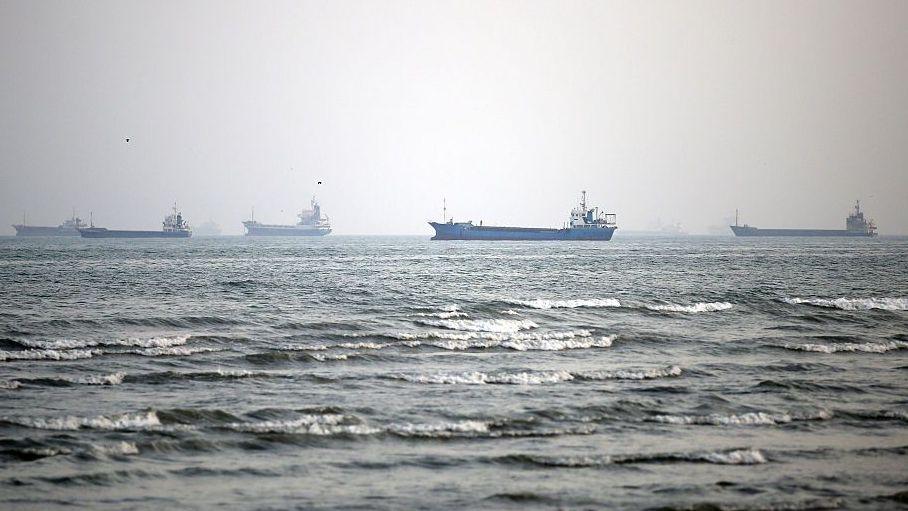

A cargo tanker known as the Acers, flagged Antigua and Barbuda, was struck by multiple projectiles 51 nautical miles (94 km) northwest of Qatar’s Al‑Shamal coast, the United Kingdom Maritime Trade Operations agency (UKMTO) said. Two crew members were reported injured, and casualties were later confirmed by maritime authorities.
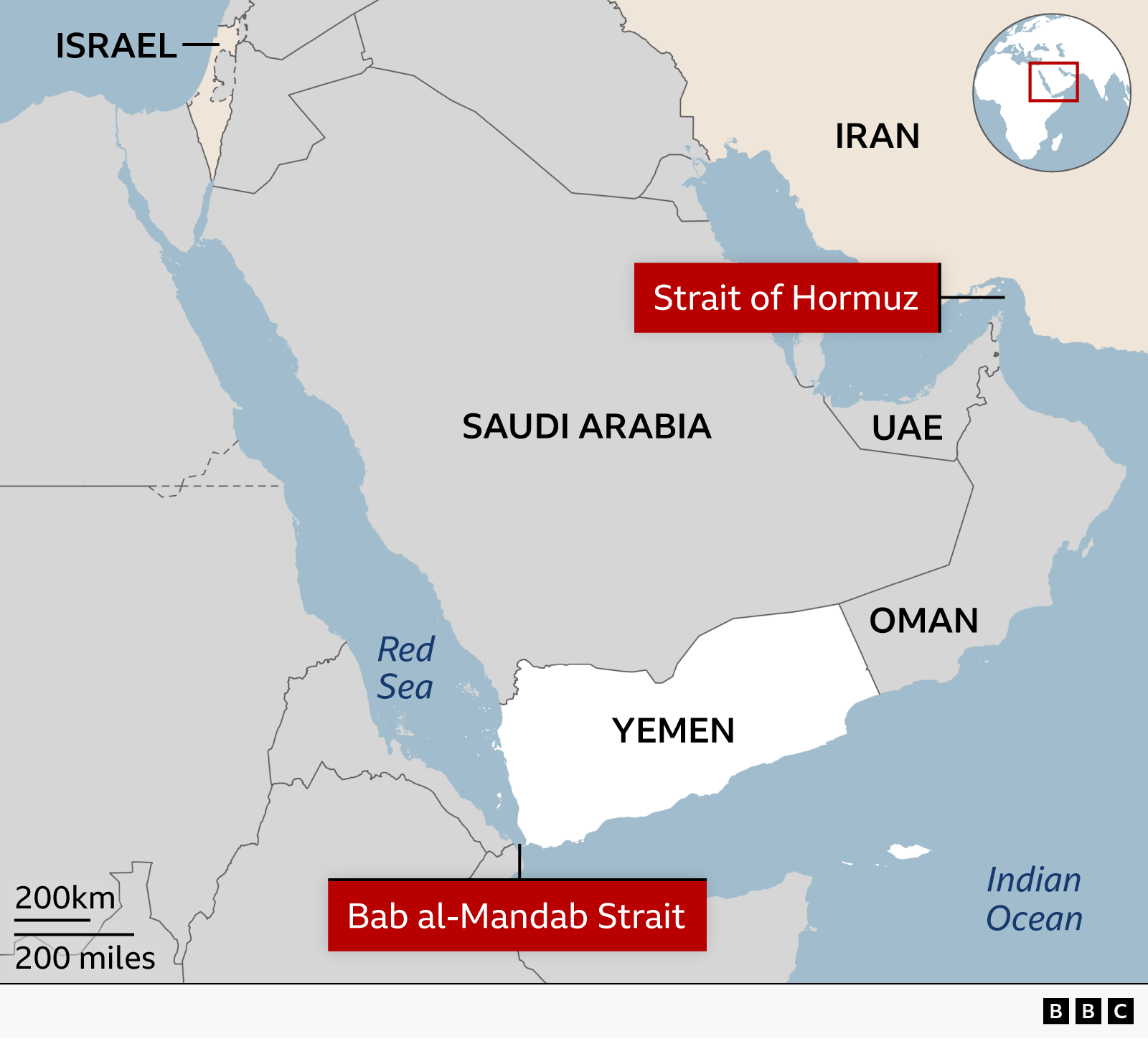
The ship was carrying oil and chemicals and had been sailing toward the Strait of Hormuz, the crucial waterway that links the Persian Gulf to the Gulf of Oman, when it came under attack. The identity of the attackers remains unclear.
The incident follows a steep rise in attacks on merchant vessels since the outbreak of the Iran‑–U.S. war in February, when Iranian forces launched missile and drone strikes against commercial shipping and the U.S. imposed a naval blockade of Iranian ports.
According to the International Maritime Organization (IMO), 24 seafarers have lost their lives in 93 confirmed attacks in the region since the war began.
The last incident that resulted in casualties was on 9 September, when the Panama‑flagged tanker El Gaia was struck in the Strait of Hormuz just north of Oman’s Musandam peninsula.
This marks the first reported attack on a vessel that far west of the Strait of Hormuz since that September incident, Maritime Intelligence firm Vanguard noted.
Vanguard also reported that a fire had broken out aboard another tanker in the Gulf of Oman on Thursday; the vessel, bearing the Marshall Islands flag and named Dhalkut, was located about 40 km east of Fujairah in the United Arab Emirates. The cause of the blaze remains unknown, and the UKMTO has not yet recorded an incident in that area.
The Strait of Hormuz has been effectively closed since the start of the war, limiting the transit of a fifth of global oil and gas shipments. Although a preliminary agreement was reached in June to reopen the strait, it collapsed after Iranian attacks resumed and the U.S. reinstated its blockade.
The United States has been providing escort protection for tankers transiting the Strait of Hormuz to keep oil exports from Gulf Arab states flowing. Despite the heightened risk, crude exports through the waterway averaged 12 million barrels per day in recent weeks, about 80 % of pre‑war levels, analysts from shipping data company Kpler reported.