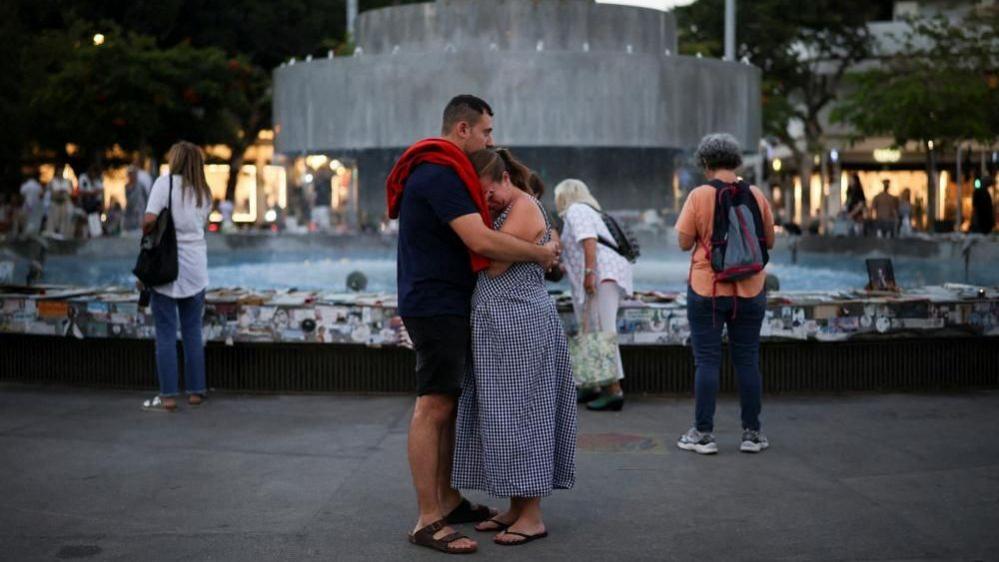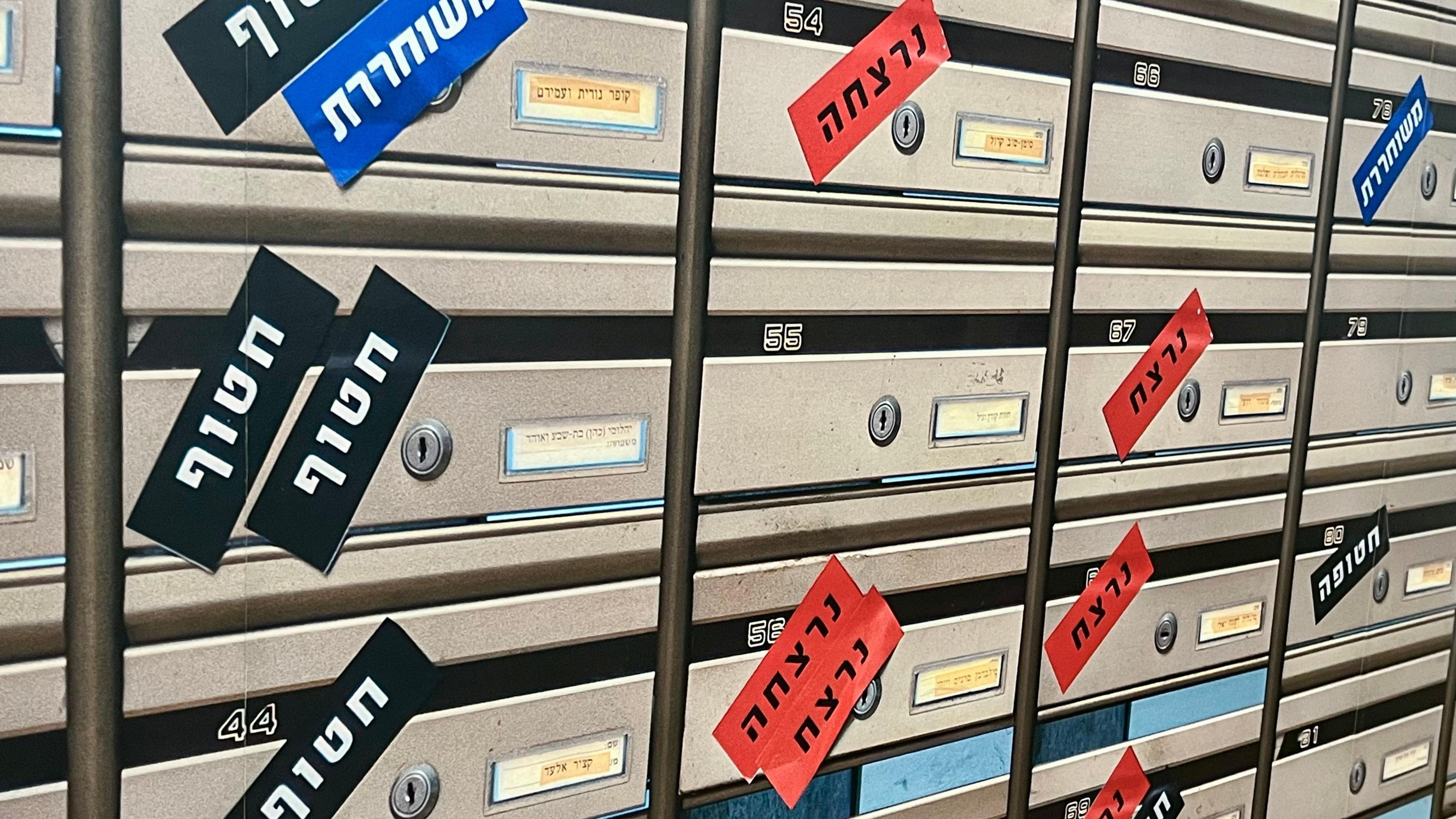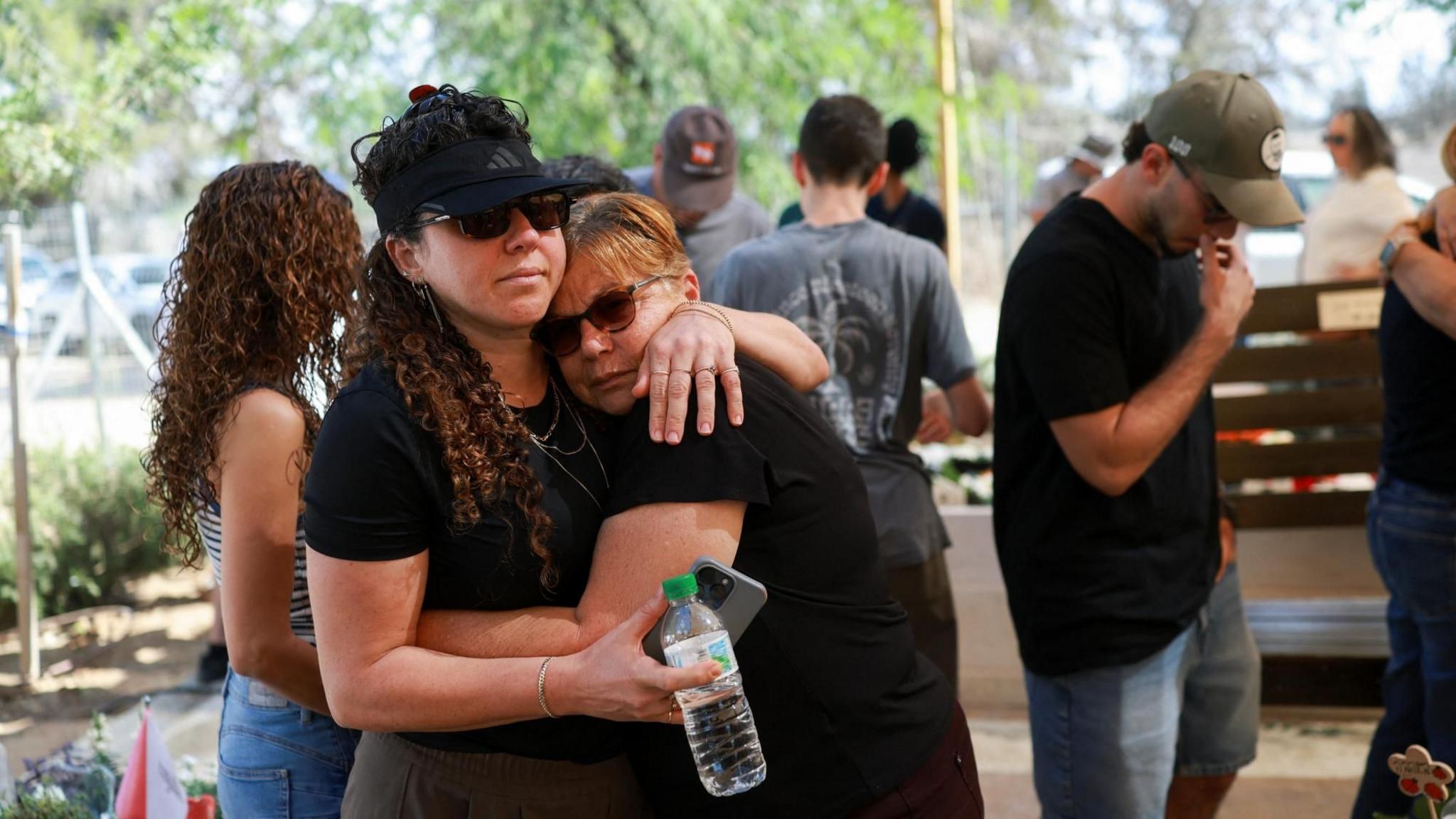
Three years have passed since a coordinated wave of Hamas‑led attacks struck south‑Israel, turning a quiet kibbutz into a scene of mass violence. The memorial held on October 7 in Kfar Aza – where half of the local civil‑defence squad and many civilians were killed – became a rallying point for families demanding answers and an official inquiry into the government’s security failure.
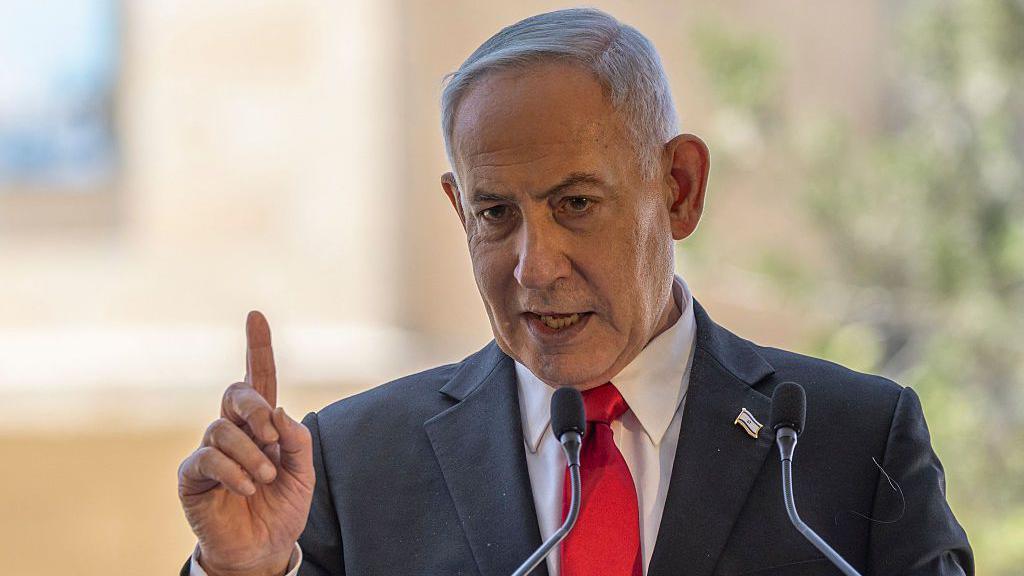
Victims say the Prime Minister should take responsibility. Inbar Goldstein, whose brother and niece lost their lives, told reporters that “I need my country to take responsibility.” She and other relatives have highlighted that warnings were given months before the assault and that Netanyahu allegedly ignored or dismissed them.
A single review finds no independent state inquiry into the July‑June security lapses that allowed the attack, even though the country’s Supreme Court and senior officials have called for one. Netanyahu, now running for re‑election, has dismissed the requests as a “biassed” attempt by the judiciary and has proposed a politically‑appointed “national commission” instead. The move has been slammed by opposition politicians, human‑rights groups and ordinary citizens who fear future tragedies.
In the overcrowded streets of Tel Aviv, protesters carried signs demanding the establishment of a court‑ordered commission. Opposition leader Yizhar Shai, whose son was killed in the attacks, warned that “we are going into these elections almost blindfolded” because of the lack of clarity on what happened. A satirical video by Gadi Eisenkot’s campaign – titled Sleepy Bibi – mocks the Prime Minister’s attempts to evade responsibility by suggesting he “could have avoided the attack by staying awake.”
Earlier accounts describe how senior military and intelligence officials were briefed on suspicious movements near the Gaza border, yet little action followed. The IDF’s chief of staff later apologized for failing to protect civilians, and many commanders were dismissed. Netanyahu maintains that he was focused on containing Hamas and that the suspension of the main warning came from a fear of creating a wider confrontation.
Still, the shadow of the October 7 attacks looms large over Israel’s political debate. Voters divide between those who see Netanyahu as the single figure capable of ensuring safety and those who argue that his denial of accountability endangers the country. As the next national election approaches, the question of leadership accountability will remain a pivotal issue, shaping the political landscape in the region.