In brief
Doug Bartek, a fifth-generation farmer from Nebraska, articulates the growing concerns of Midwest soybean farmers who are grappling with escalating production costs and dwindling soybean prices due to the ongoing Iran war and trade tariffs imposed by the previous U.S. administration. These challenges manifest as high operating costs, lower income rates, and a mounting sense of anxiety about the future of their farms.
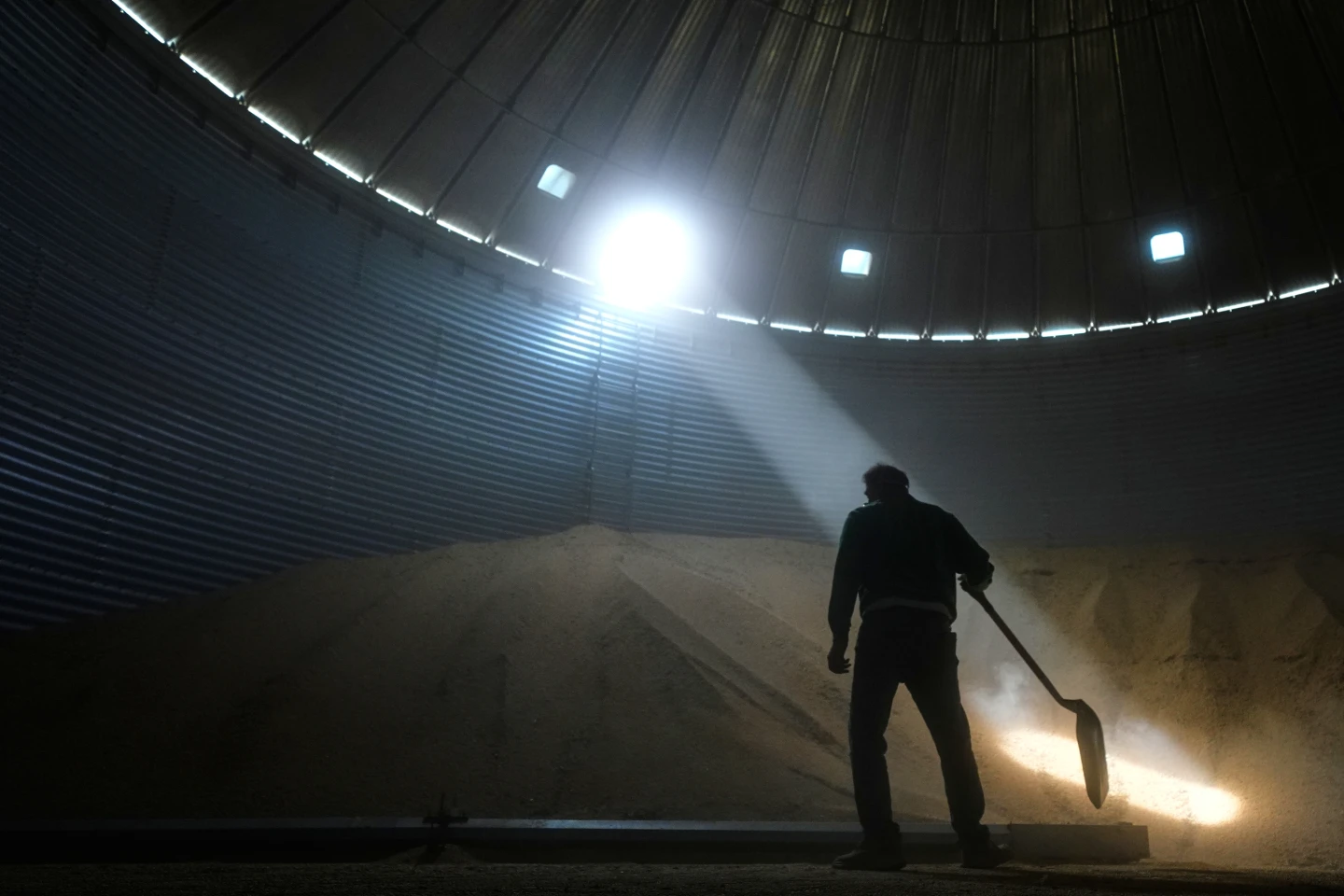
WAHOO, Neb. (AP) — Strong winds whipped around Doug Bartek as he prepared to shovel soybeans onto a conveyor chute, expressing apprehension over the impending planting season at their sprawling 2,000-acre farm near Wahoo, Nebraska.
As chairman of the Nebraska Soybean Association, Bartek highlights the dire circumstances facing local soybean producers, inflated by escalating costs for fuel and equipment and driven further by international conflicts, including the Iran war.
“Our biggest struggles are our inputs, be it fertilizer, seed, chemical, parts,” Bartek lamented. “The mark-ups have been drastic, leaving farmers feeling trapped.”
The combination of tariffs from the Trump administration during a protracted trade conflict with China has worsened the situation, along with a recent surge in fertilizer prices following disruptions caused by the Iran conflict.
“A lot of producers are nervous going into this year,” stated Justin Sherlock, president of the North Dakota Soybean Growers Association. “We are looking at yet another year with negative financial returns.”
Experts indicate that the ongoing crisis is exacerbated by historical low soybean prices, which have persisted even as the demand and supply dynamics shift globally.
Amid these inflationary pressures, farmers report heightened costs across the board, from operational materials to land rental expenses. “You cannot simply absorb these costs; farmers are being squeezed,” said Paul Mitchell from the University of Wisconsin-Madison.
With conditions remaining tense, many farmers are reconsidering their future in agriculture as bankruptcy rates gradually increase amidst an unyielding financial landscape.
“Each planting season carries a sense of hope, but also fear. Did I do the right thing for my son entering this business?” mused Bartek.