In brief
China's foreign ministry has labeled the US blockade of Iranian ports as 'irresponsible and dangerous,' warning that it undermines fragile ceasefire agreements. Following the breakdown of US-Iran peace talks, the blockade, which seeks to pressure Iran amid rising tensions, may affect global shipping and China's oil supply. Beijing insists on diplomatic solutions to restore regional stability.
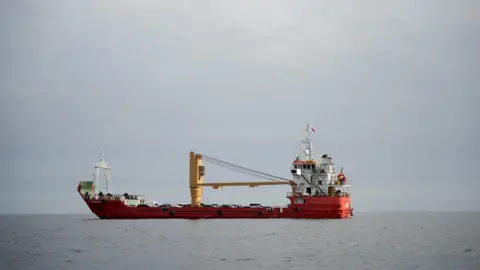
China has condemned the US naval blockade of Iranian ports, deeming it 'irresponsible and dangerous'. According to Beijing's foreign ministry, this action threatens to undermine the already fragile ceasefire agreement and jeopardizes the safety of maritime traffic through the strategic Strait of Hormuz, which Iran has effectively closed following escalating tensions due to US-Israeli strikes.The blockade was implemented following failed peace negotiations between the US and Iran in Pakistan, with President Donald Trump indicating that it aims to compel Iran to cease its nuclear ambitions. Analysts perceive this move as a strategy to pressure China, the largest buyer of Iranian oil, to influence Iran to reopen the strait.Iran's ambassador to the UN described the blockade as a 'grave violation' of Iran's sovereignty, emphasizing that it could disrupt China's oil supply and have severe economic repercussions.Despite the blockade, Chinese vessels have continued to traverse the strait, leaving uncertainty about potential agreements or tributes with Iran.China's foreign ministry spokesperson, Guo Jiakun, expressed that a comprehensive ceasefire and peaceful resolution are vital for easing tensions, urging all involved parties to engage in dialogue and restore normal traffic in the strait. Amidst rising tensions, Guo also dismissed claims about China supplying military defense systems to Iran as 'fabricated.'US Vice-President JD Vance has further escalated rhetoric, accusing Iran of engaging in 'economic terrorism' and asserting that the US will effectively restrict Iranian ships from mobilizing during the ongoing tensions.As the standoff continues, oil prices have briefly fallen below $100 per barrel amidst the fragile ceasefire that was reinstated on April 8. The situation remains tense, with unresolved issues surrounding the Strait of Hormuz and regional conflict dynamics.