In brief
Kenya has seen a significant rise in fuel prices, with diesel increasing by 40 shillings and petrol by 28 shillings per litre, amidst global oil price hikes linked to the Iran conflict. Despite a tax cut, shortages and controversies surrounding fuel quality persist, raising public concerns.
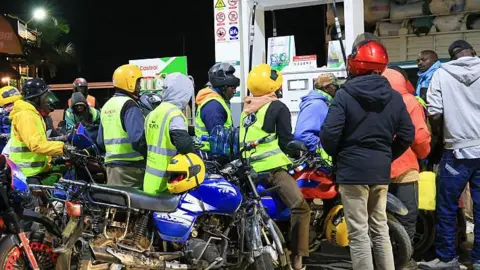
Kenya has sharply raised the cost of petroleum, with diesel prices rising by a record margin despite a fuel tax cut, as the conflict in Iran pushes up global oil prices. In its latest review, the energy regulator raised the cost of diesel by 40 Kenya shillings to 206 ($1.6; £1.2) a litre, while petrol rose by 28 shillings to a similar level. This reflects higher global oil and shipping costs, even as the government cut value-added tax to 13% from 16%. The new prices will last until 14 May when the next review is due.Fuel shortages have been reported in parts of the country, although the government insists stocks are sufficient and accuses some fuel companies of hoarding supplies. The reports of shortages have been overshadowed by controversy over an allegedly substandard consignment imported last month outside government-to-government arrangements and at a significantly higher cost. Reports suggest that the fuel may have entered the market after being blended with stocks in government storage tanks, sparking public outrage and calls for accountability.The government has previously stated it cancelled the consignment amid concerns over its quality and cost, barring oil marketers from selling it. The situation, which led to the arrest and resignation of senior energy officials, is still under investigation. On Wednesday, the Energy and Petroleum Regulatory Authority (Epra) confirmed that the disputed consignment was not included in the computation of the new prices.These price rises come amid a global fuel crisis triggered by the US-Israel war with Iran that began on 28 February. Concerns remain that the energy crisis may deepen despite a conditional two-week ceasefire featuring the opening of the Strait of Hormuz, an essential shipping route for global oil and gas supplies. Shipments through the strait have largely been at a standstill since the war began. Countries worldwide are implementing various measures to cope with the crisis and cushion consumers from price shocks, including tax cuts and minimising wastage. Kenya's VAT cut on fuel is projected to last until July, while South Africa has enacted a one-month cut in the fuel levy to limit pump prices.