In brief
In the wake of President Trump's recent criticism of Pope Leo XIV and a controversial AI image depicting himself as a Christ-like figure, a rift is forming between him and conservative Catholic supporters. This clash has ignited discontent not only among liberal critics but also within the ranks of staunch Trump allies. As backlash intensifies regarding Trump’s stance on the Iran war, influential Catholic voices, including Bishop Joseph Strickland, are aligning more closely with the Pope’s call for peace, indicating a significant shift in conservative Catholic opinion that could jeopardize Trump's political support.
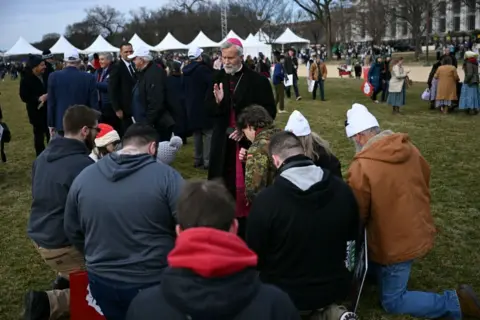
It is not unusual for President Trump to face criticism from Catholic leaders. His hardline immigration policies, promised in his campaign and cheered on by supporters, have prompted condemnation from church leaders. For months it has put the hierarchy of the Catholic Church in the US at odds with more right-leaning rank-and-file Catholics.However, a recent backlash, sparked by Trump's attack on Pope Leo XIV coupled with his sharing of an AI image portraying him as a Christ-like figure, signifies a deeper schism, particularly among conservative Catholics who have historically supported him.These critics express concerns not solely about Trump's public friction with the Pope but also about the ethical implications of the ongoing Iran war. The uproar over Trump's lengthy social media diatribe against the first American pope—calling him too liberal and weak on crime—has crystallized a shift in opinion among many conservative Catholics since the conflict began. Bishop Joseph Strickland's comments indicate a growing concern that divine authority transcends earthly power, urging a reevaluation of how Catholics view their political leaders.The response from conservative Catholics has echoed the call for clarity on what true faith entails, contrasting the rhetoric of power with the teachings of Christ. This shift could have significant political implications, as many in this demographic begin to reassess their support for Trump amid his public disputes with the Vatican. Polls illustrate a split among Catholics, particularly along racial lines, highlighting a complex relationship between faith and political allegiance in the growing tension surrounding Trump's presidency and his relationship with religious authorities.