In brief
Drought conditions across the contiguous United States have reached record highs for this time of year, with over 61% of the lower 48 states in moderate to exceptional drought. This situation poses serious risks for the upcoming wildfire season, agricultural yields, and regional water supplies. With predictions of continued dry conditions, experts worry that this may be one of the worst drought years on record, compounded by the potential impact of climate change on weather patterns.
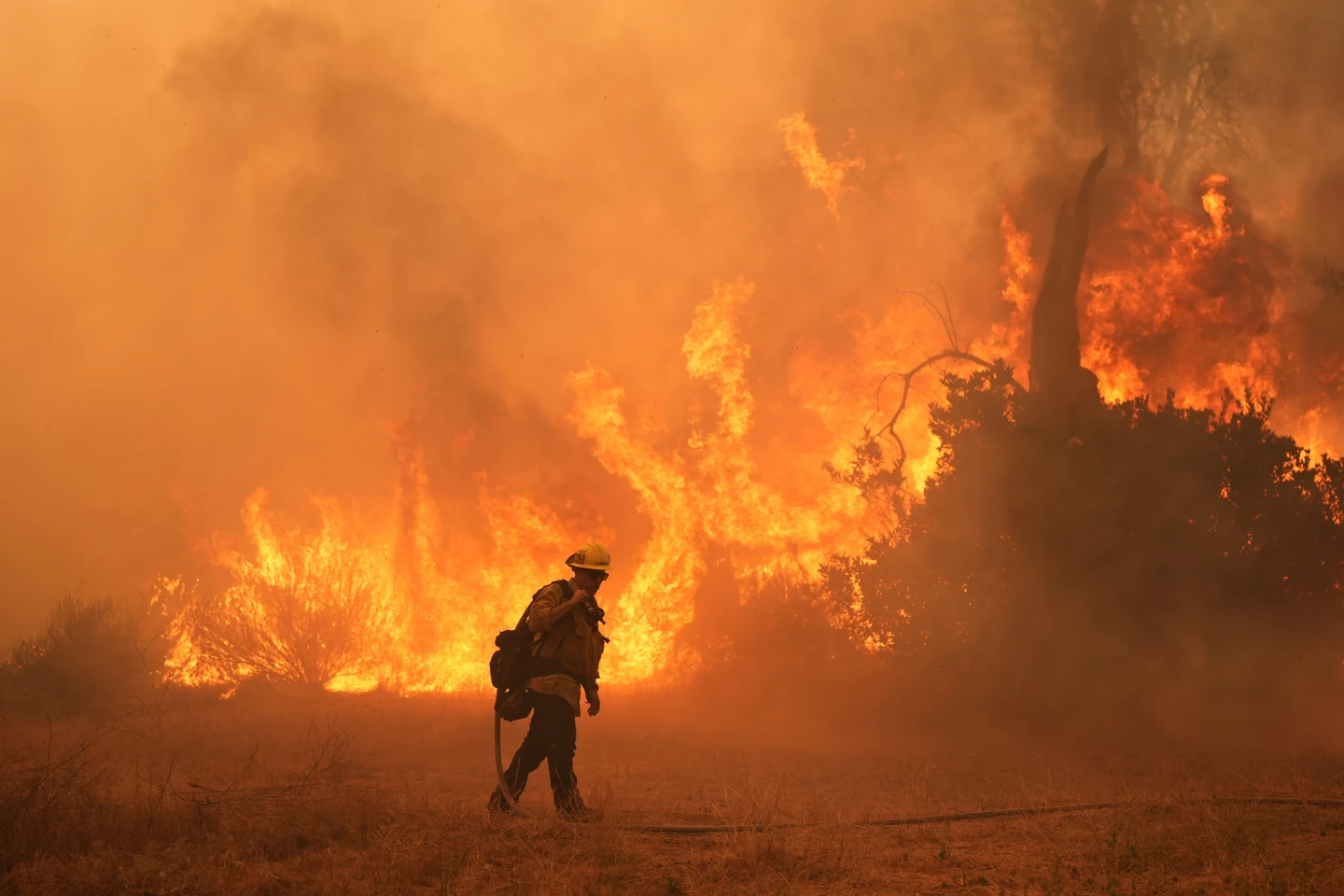
Drought in the contiguous United States has reached record levels for this time of year, with weather data showing more than 61% of the lower 48 states currently experiencing moderate to exceptional drought. Meteorologists have warned that these conditions could severely impact the upcoming wildfire season and food prices, causing further strain on western water supplies.
According to the U.S. Drought Monitor, 97% of the Southeast and two-thirds of the West are under drought conditions - the highest recorded levels since the monitoring began in 2000. Additionally, the National Oceanic and Atmospheric Administration (NOAA) noted that March's Palmer Drought Severity Index was the highest recorded for that month since 1895, marking last month as the third driest month in history, only surpassed by the Dust Bowl of 1934.
Much of the West has also been hit hard by low snow levels, affecting water storage for the summer months. This is exacerbated further by a separate drought in southern regions from Texas to the East Coast, attributed to changes in jet stream patterns that have diverged storms away from these areas.
Climatologist Brian Fuchs highlighted the gravity of the situation, stating that addressing the drought in Texas would require an unprecedented 19 inches of rain within a single month, while most of the Southeast would need over a foot to alleviate water shortages. All signs indicate worsening conditions as a strong El Niño weather pattern looms.
Experts stress that climate change is intensifying these droughts and the subsequent impact on agriculture. There are concerns that a poor crop yield this year could create global food supply issues, especially as other agricultural regions around the world also face unfavorable weather. The situation is further complicated by record heat which is expected to continue influencing drought patterns, raising alarm among specialists as the region prepares for a potentially disastrous wildfire season.