In brief
As President Trump faces increasing backlash from conservative Catholics over his attacks on Pope Leo, many are expressing their discontent not just about the Pope's critique but about the moral implications of U.S. foreign policy in Iran. This development suggests a significant shift in support among traditionally loyal Catholic allies.
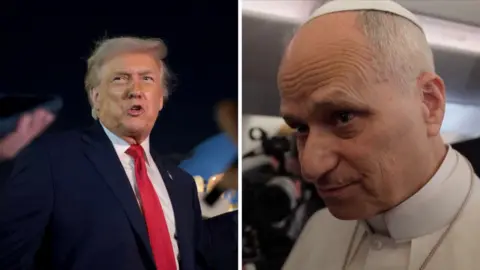
It is not unusual for President Trump to face criticism from Catholic leaders. His hardline immigration policies, promised in his campaign and cheered on by supporters, have prompted condemnation from church leaders. Recently, however, Trump's aggressive rhetoric towards Pope Leo has triggered backlash among not only liberal critics but also from loyal, conservative Catholic allies who feel challenged by Trump's publicized friction with the new Pope. Many within this demographic are also voicing concerns over the U.S. military actions in Iran, seeing a divergence from Catholic teachings on peace and morality.The recent uproar over Trump's lengthy social media attacks on Pope Leo, accusing him of being too liberal and 'weak on crime', alongside sharing an AI-generated image depicting himself in a Christ-like manner, has marked a turning point. Bishop Joseph Strickland, a previously staunch supporter, expressed a profound moral truth, stating, 'I pray that all of this will clarify for people that we don't look to a national leader... we look to Christ.' Strickland's notable shift reflects a broader sentiment among conservative Catholics who are reevaluating their relationship with Trump against the backdrop of international conflict and significant ecclesiastical leadership.This complex political landscape is compounded by historical voting trends, showing a split between demographic lines, with distinct differences in support for Trump among white and Hispanic Catholics. Even prominent conservative figures are voicing criticism of Trump's recent behavior towards Pope Leo, hinting that such actions may further alienate him from his Catholic base.As Pope Leo takes a clear stand against the war in Iran and focuses on the moral ramifications of warfare, Trump's continued confrontation threatens his standing within an important electoral group. This conflict illustrates a unique moment of convergence among U.S. Catholics regarding not only their spiritual leader but also fundamental questions regarding justice and morality in the face of political decisions.