
In brief
China successfully navigated the economic impacts of Trump's tariffs, achieving a GDP growth of around 5%. However, the recent escalation of conflict in the Middle East, particularly the Iran war, is beginning to affect factory orders and jobs. Workers in manufacturing hubs express their frustration over job insecurity and stagnant wages as rising oil prices further complicate the situation. With exports under pressure, China is seeking to play a diplomatic role while managing the economic fallout of the ongoing conflict.
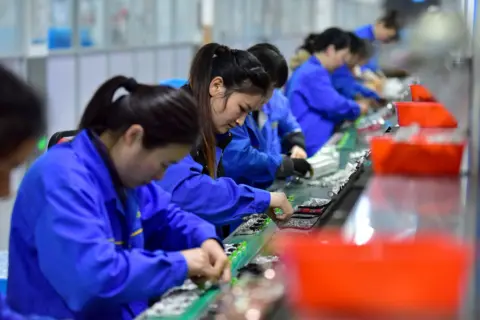
In one of China's major manufacturing hubs, workers in Foshan are facing increasing hardships as they navigate through significant economic shifts exacerbated by the ongoing war in the Middle East. Once buoyed by robust exports and GDP growth, the recent escalation in conflict, particularly the Iran war, has begun to hinder factory orders and disrupt livelihoods.
Workers express their desperation, revealing their struggles to send money home while dealing with the uncertainty brought on by geopolitical turmoil. The economic landscape, already reeling from the impacts of Trump's tariffs, now faces new challenges as rising oil prices compound their difficulties.
Beijing is making efforts to mediate the conflict while looking to the future of its manufacturing industry. Despite a strong showing at international trade events, the reality of stagnant wages and increasing costs weighs heavily on the workers. As the situation unfolds, China finds itself at a crossroads, seeking to balance its diplomatic ambitions with the pressing needs of its economy and workforce.
