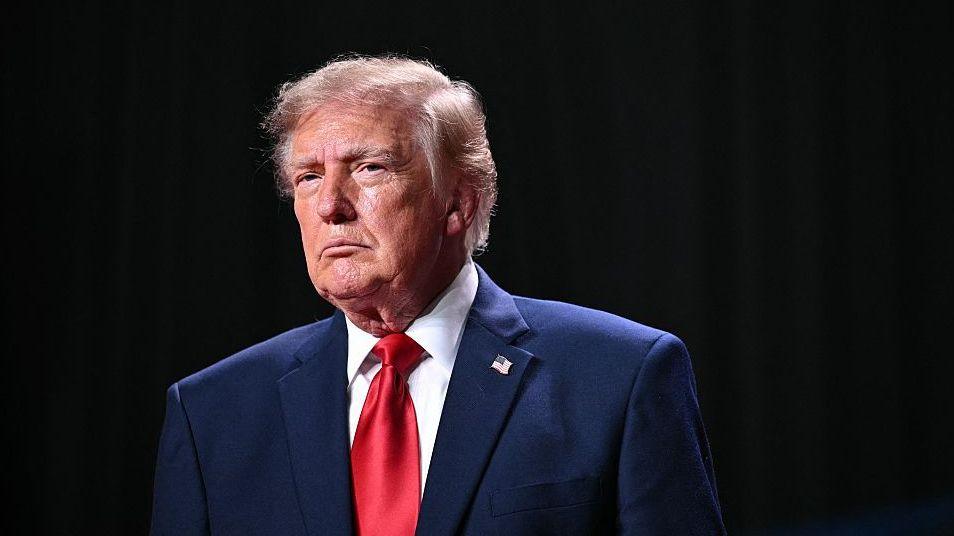
The Trump administration has imposed sweeping sanctions on the International Criminal Court (ICC), aiming to curtail the tribunal's resources and operational reach.
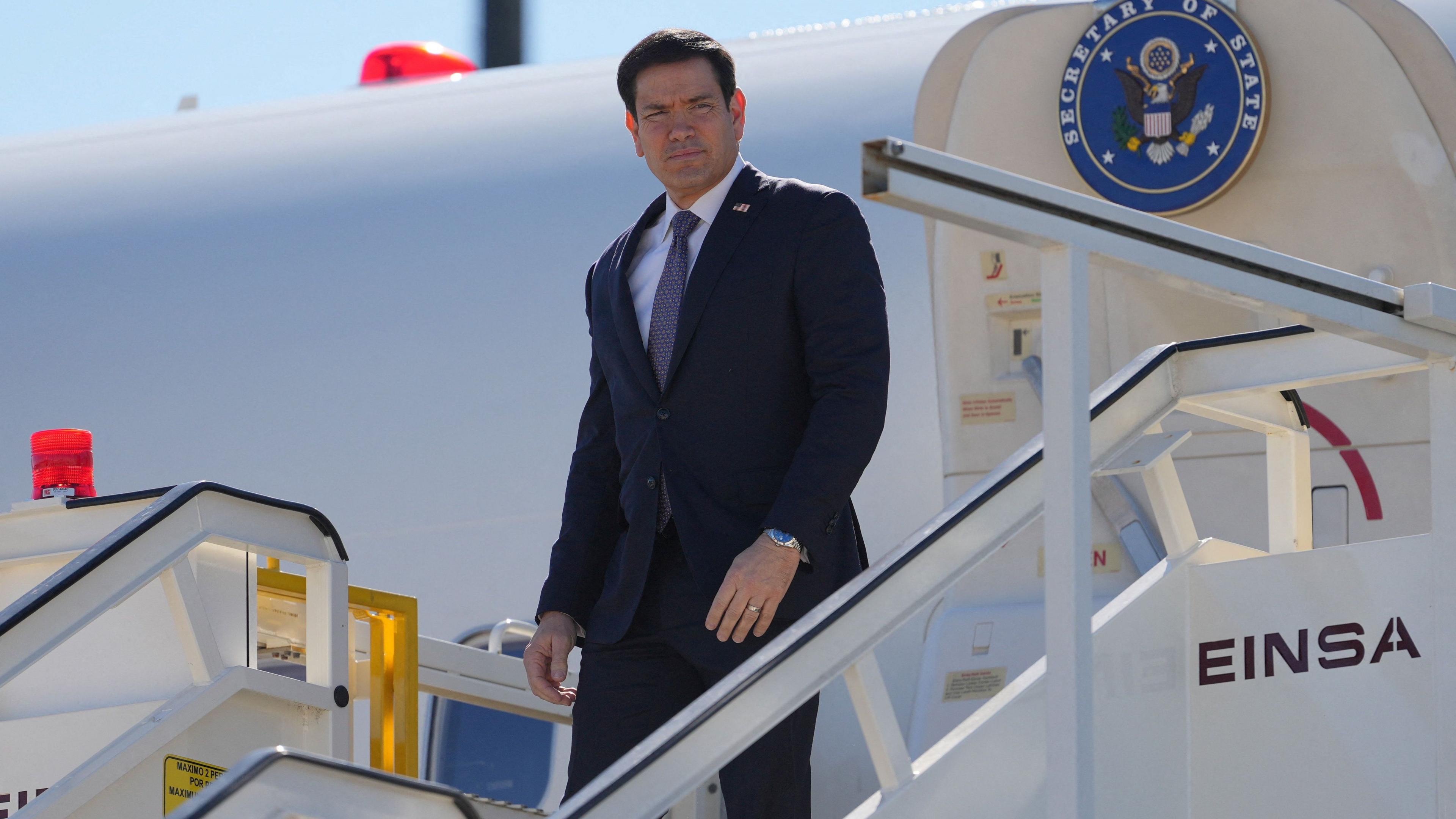
Speakers said the measures—banning U.S. entities from transactions with the ICC—were intended to defend U.S. sovereignty and prevent the court from prosecuting Americans. Marco Rubio, the Secretary of State, warned that either the ICC would stop threatening U.S. nationals, or the U.S. would dismantle the court.
The sanctions bar U.S. firms from providing goods, services, banking, or software to the ICC and its staff, a move described as a curb on the court’s financial footing.
In response, the ICC said the U.S. action was designed to disrupt its work and intimidate cooperation, stating it would not be deterred. The court also declared the sanctions an assault on the international legal system.
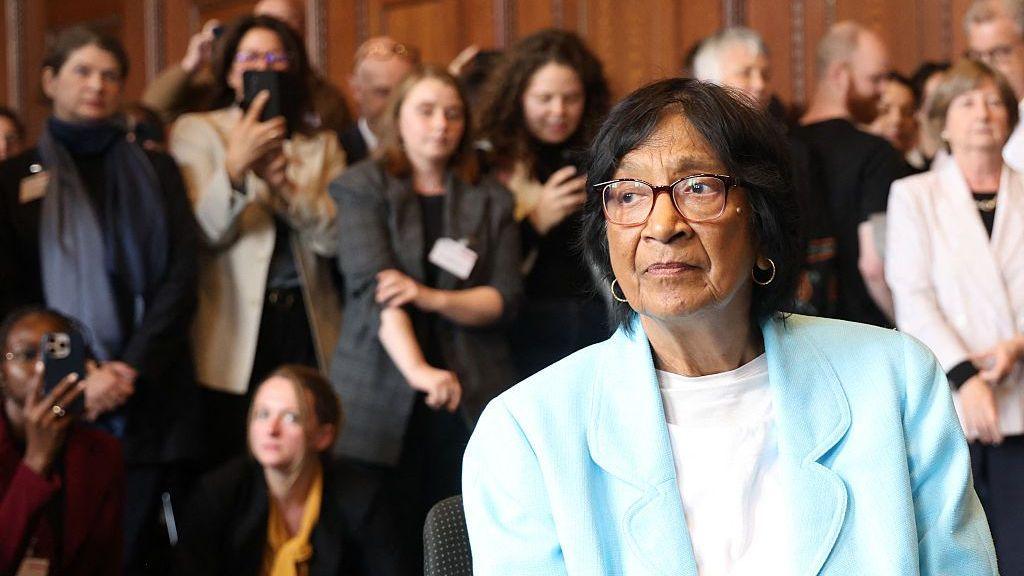
The policy announcement came less than a day after former ICC judge Navi Pillay received the 2026 Nobel Peace Prize for her work on international law, which drew criticism from U.S. officials who felt Pillay’s past investigations—particularly of U.S. and Israeli actions—were politically motivated.
The U.S. has long contested the ICC's jurisdiction, arguing that it has not ratified the Rome Statute that established the court. President Donald Trump has expressed a desire to receive the Nobel Prize himself and has repeatedly lampooned the ICC’s investigations into American military activity and Israeli officials.
Rubio emphasized that the sanctions were structured to allow the ICC and member states to address U.S. concerns, but warned that U.S. allies could be urged to “rein in” the institution.