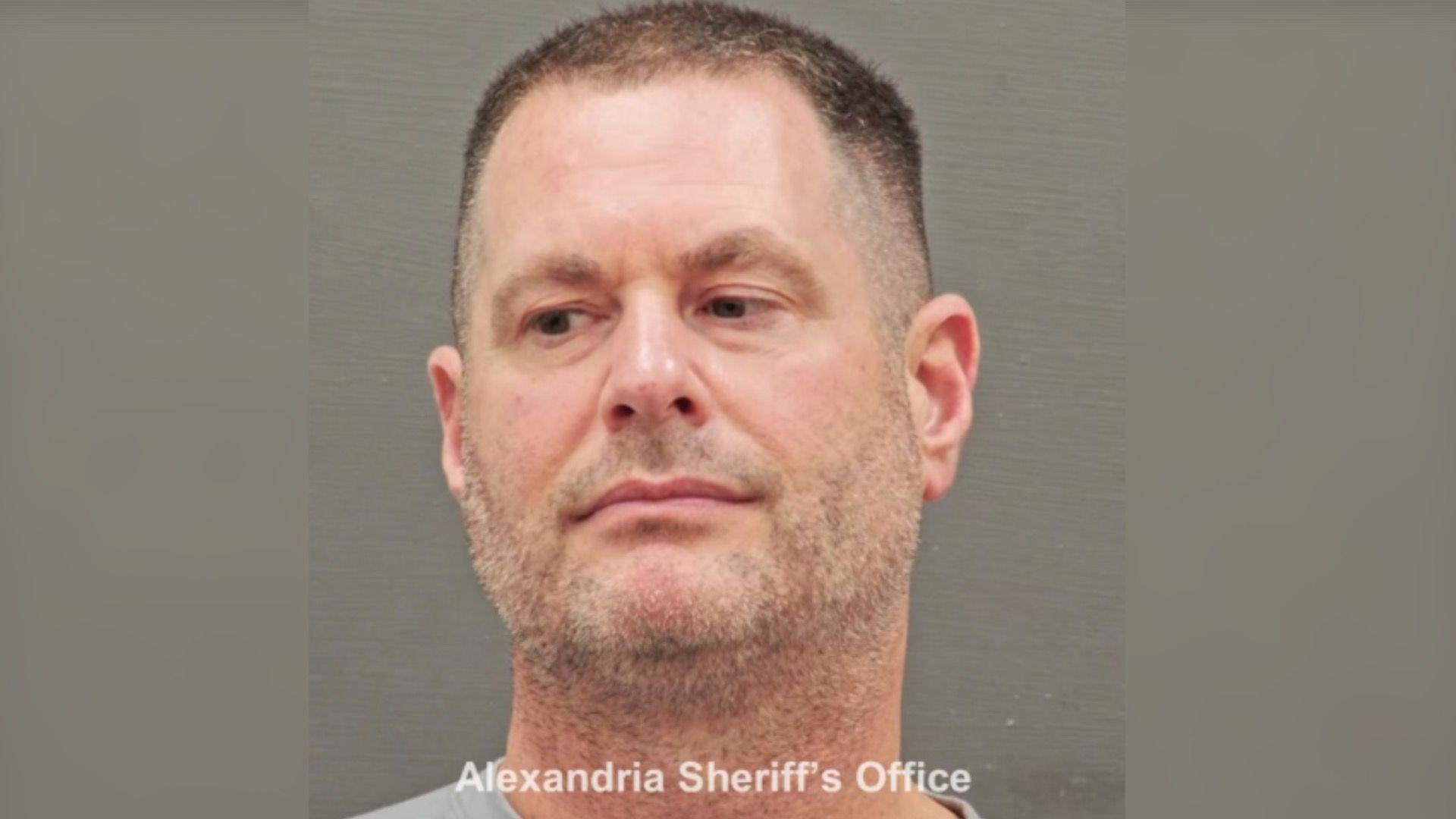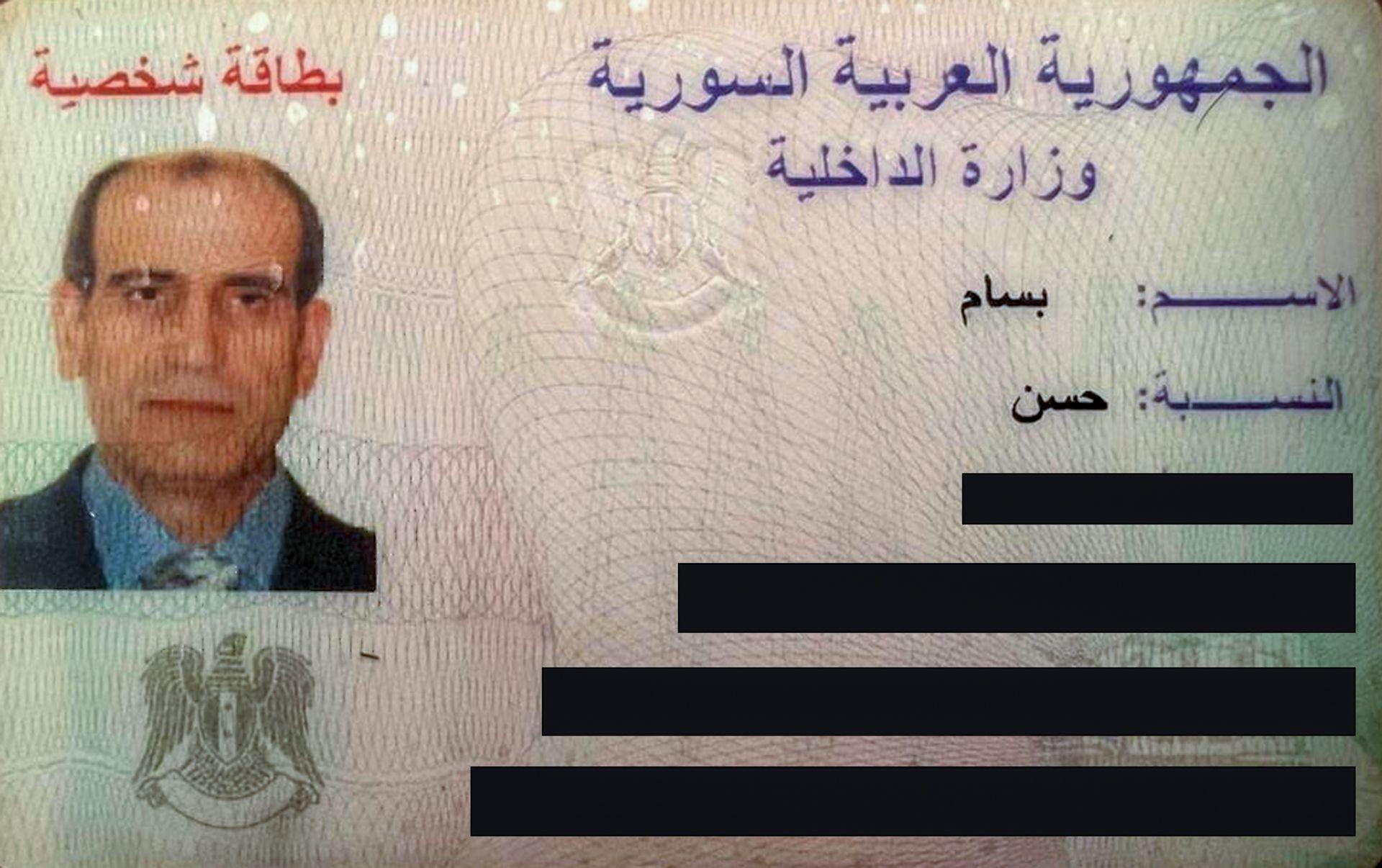

US and Lebanese authorities are protecting and funding a Syrian war‑criminal in a murky arrangement that has now come to light following a joint investigation by BBC News and National Public Radio. Bassam al‑Hassan—once the chief of Syria’s chemical weapons programme and a senior adviser to President Bashar al‑Assad—was on the U.S. Treasury’s sanctions list for crimes against humanity.
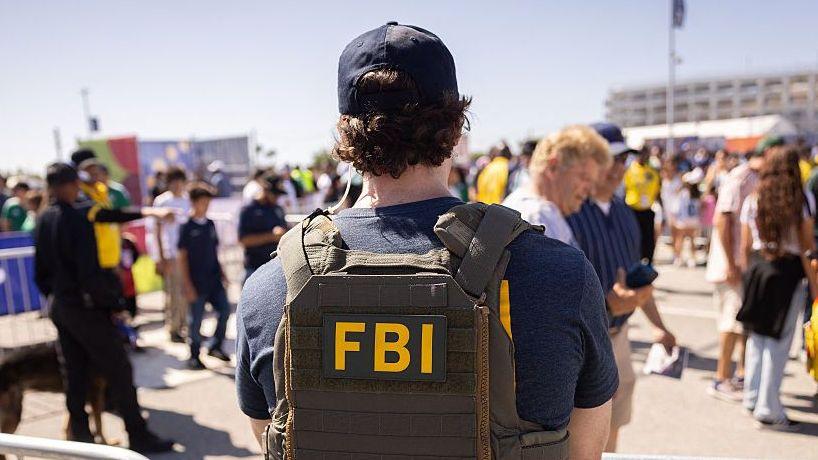
After the fall of the Assad regime in late 2024, al‑Hassan escaped to Iran before a covert deal was brokered, involving the U.S. FBI, CIA and Lebanese security services, that brought him to Lebanon. In the exchange, the U.S. authorities provided him with a residence permit, financial assistance and “living support” in return for intelligence on the 2012 abduction and alleged execution of American journalist Austin Tice.
When the BBC probed the arrangement, it was revealed that al‑Hassan and U.S. officials were in contact through an intermediary that channels payments to keep the link discreet. Although he has already provided a location that should have contained Tice’s remains, a subsequent search yielded no evidence, raising doubts about the reliability of the information he supplied.
The Tice family has responded with fury. Phil Elwood, the family spokesperson, stated that “using American tax dollars to provide a comfortable life for a man who helped orchestrate a chemical weapons attack and may have ordered the killing of our family friend is deeply offensive.” He called for al‑Hassan’s extradition and trial.
In the words of an unnamed former Lebanese intelligence officer cited by the BBC, “There are arrangements that involve payments when U.S. intelligence and Lebanese authorities share a common interest … but I have had no knowledge of any payment for the Tice case.” The officer also admitted that such cooperation is common in overlapping investigations.
Al‑Hassan is not the only regime official allegedly profiting from the Tice investigation. Reports indicate that former commander Mohammad Makhlouf and Hassan’s nephew Sakr Rustom, both linked to the abduction, have received support abroad—Makhlouf in Lebanon and Rustom between the UAE and Lebanon. Other former Syrian generals reportedly live in the UAE, their destinations facilitating continued intelligence exchanges that bypass the Syrian justice system.
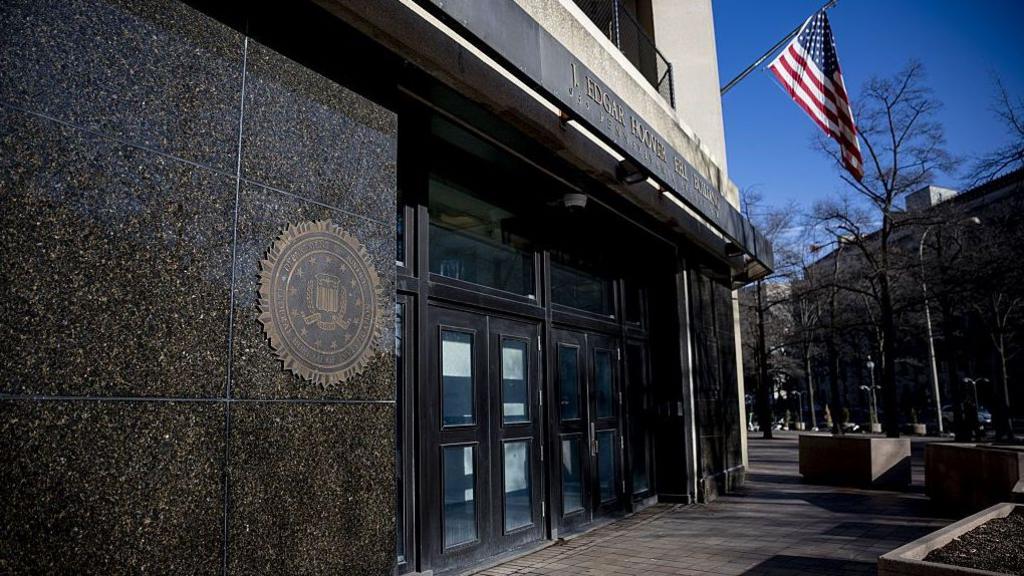
Meanwhile, the Syrian government insists it wants al‑Hassan returned for trial but has little control over his movement once he is in Lebanon. The U.S. insists its primary focus is to secure the truth about the Tice case, a statement the FBI reiterated when asked to comment on the investigation.
As the international community evaluates the balance between intelligence gains and accountability for war crimes, the al‑Hassan case underscores the complexities of post‑conflict justice and the risks of sheltering individuals with intimate knowledge of state‑sponsored atrocities behind diplomatic arrangements.