In brief
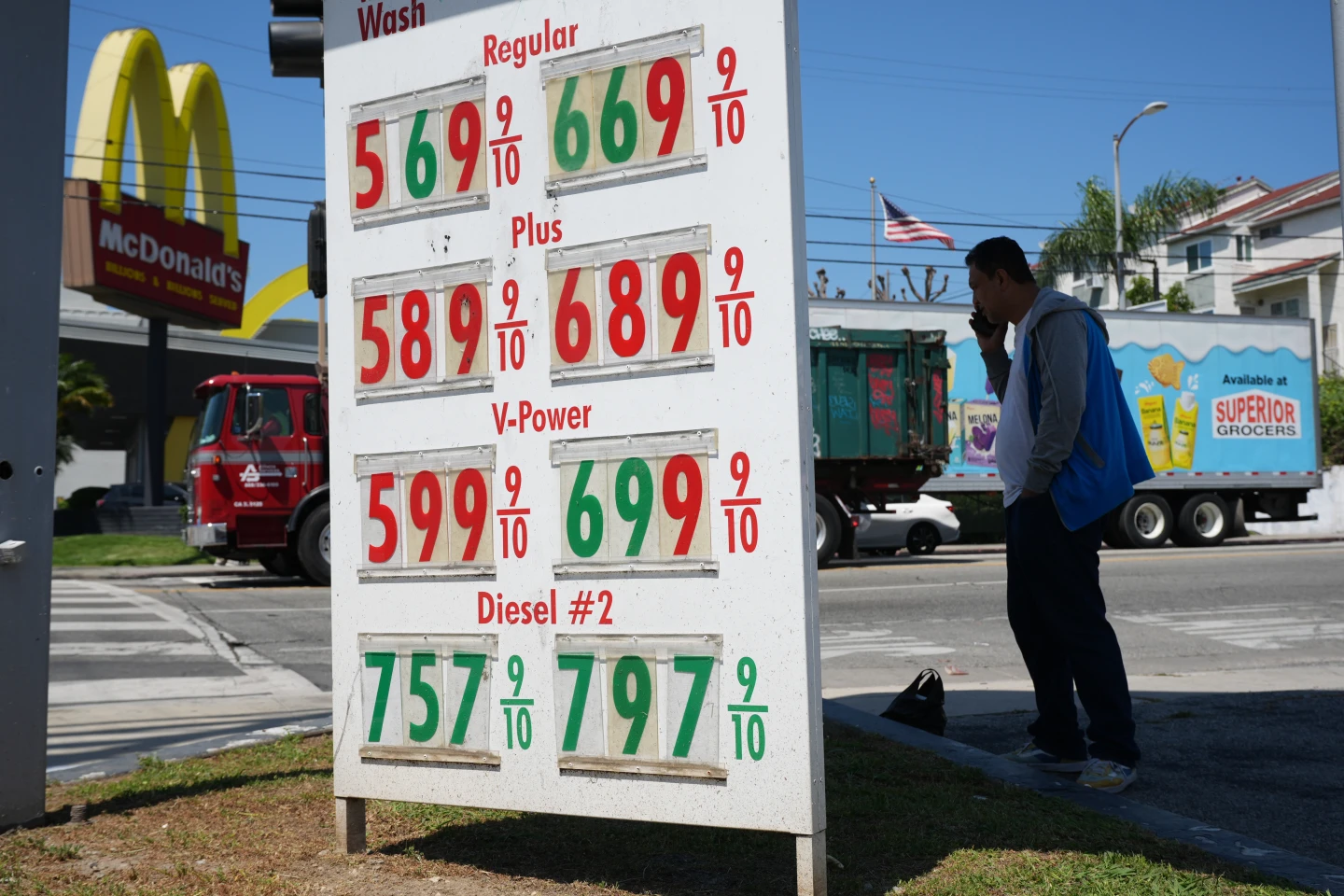
Amidst soaring gas prices driven higher by international conflict, drivers across the U.S. are discovering that tribal gas stations offer some of the best deals. With prices averaging $4.15 per gallon, many are flocking to Native American reservations where fuel is sold without state taxes. From California to New York, these stations not only provide lower prices but also serve as vital community resources for grocery and household supplies, contributing to local economies.
As the conflict in Iran escalates and propels gas prices to new heights, drivers across the United States are turning to tribal gas stations to alleviate some of the pain at the pump. Junelle Lewis, a Seattle resident, recently made the trip to the Tulalip Reservation, where she found gas at $4.84 a gallon—about 75 cents less than local stations.
The trend is not isolated. Many are finding that tribal gas stations are often less expensive than their state counterparts due to exemptions from state fuel taxes. This has become particularly beneficial in states like California, New Mexico, and New York, where dozens of tribally owned stations provide competitive pricing along major travel routes.
Nationwide, gas prices have risen dramatically, averaging $4.15 per gallon following the outbreak of conflict on February 28. This has prompted consumers to look for bargains, as the economic strain continues. Apps like Gas Buddy have made it easier than ever to locate the best deals.
In addition to cheaper fuel, many tribal gas stations also sell groceries and other essential goods, helping to address food deserts in their areas. The revenue generated from gas sales contributes significantly to community projects, including healthcare and education.
While the market fluctuates, many consumers report satisfaction not just in cost savings but also in knowing their purchases support their local tribal communities. With the economic landscape still precarious, these tribal stations are serving a dual purpose—providing affordable fuel and bolstering the local economy, representing a vital resource in challenging times.