In brief
Ireland joins five other countries in boycotting the 2026 Eurovision Song Contest due to the European Broadcasting Union's decision to allow Israel to participate amidst ongoing conflict in Gaza. Irish broadcaster RTÉ will not air the event, opting instead for an episode from the sitcom Father Ted, which has sparked criticism from various quarters. The move reflects Ireland's pro-Palestine stance, with many young citizens supporting the boycott, while some in the Jewish community express concern about cultural boycotts.
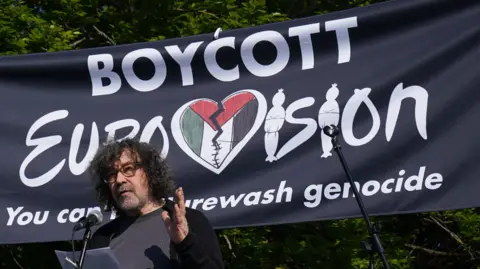
From Johnny Logan and Dana to years of dominance in the early 1990s, Ireland has a storied history with the Eurovision Song Contest. Ordinarily, the country, which holds the joint record for most wins with Sweden, would join the rest of Europe in eagerly awaiting Saturday's grand final. But not this year. Ireland is one of five countries, alongside Iceland, the Netherlands, Slovenia, and Spain, boycotting the contest over the European Broadcasting Union's (EBU's) decision to allow Israel to participate. Consequently, the competition will feature no Irish entrant, and national broadcaster RTÉ will not be showing events from Austria, instead airing a Eurovision-themed episode of "Father Ted". Ireland's participation in the boycott marks a significant stance amidst an array of conflicts and criticism towards Israel regarding its war in Gaza, aligning the nation with rising support for Palestine. Israeli broadcaster Kan has called the absence of these countries a cultural boycott that harms freedom of creation and expression. In Dublin, public sentiment appears to lean towards supporting the boycott as young people express solidarity with the Palestinian cause. Local commentary reflects a broader discussion on the implications of cultural boycotts, especially concerning how it affects the artistic community. The Irish government has been vocal in condemning Israel's actions, further complicating diplomatic relations and evoking mixed reactions within the country's diverse communities. As the Eurovision evening draws near, the decision continues to spark debate on the intersection of politics and culture in modern global events.