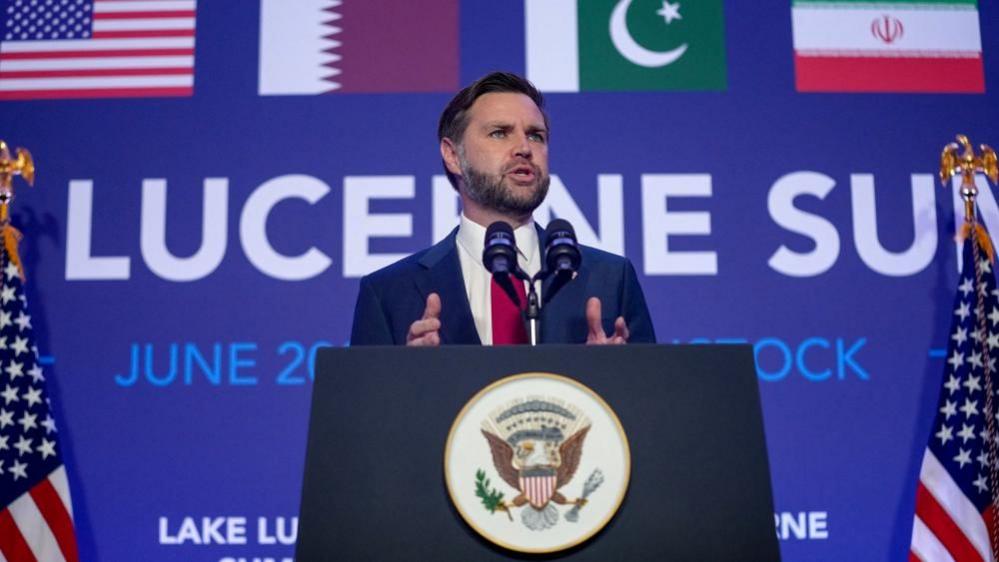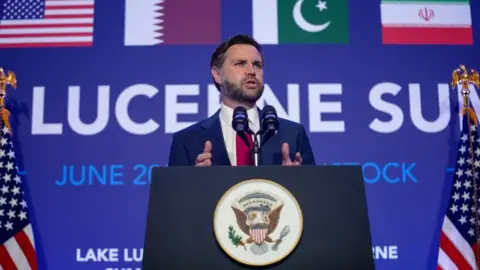
Vice‑president JD Vance announced that Iran has agreed to allow International Atomic Energy Agency inspectors back into the country—a key demand of the international community.
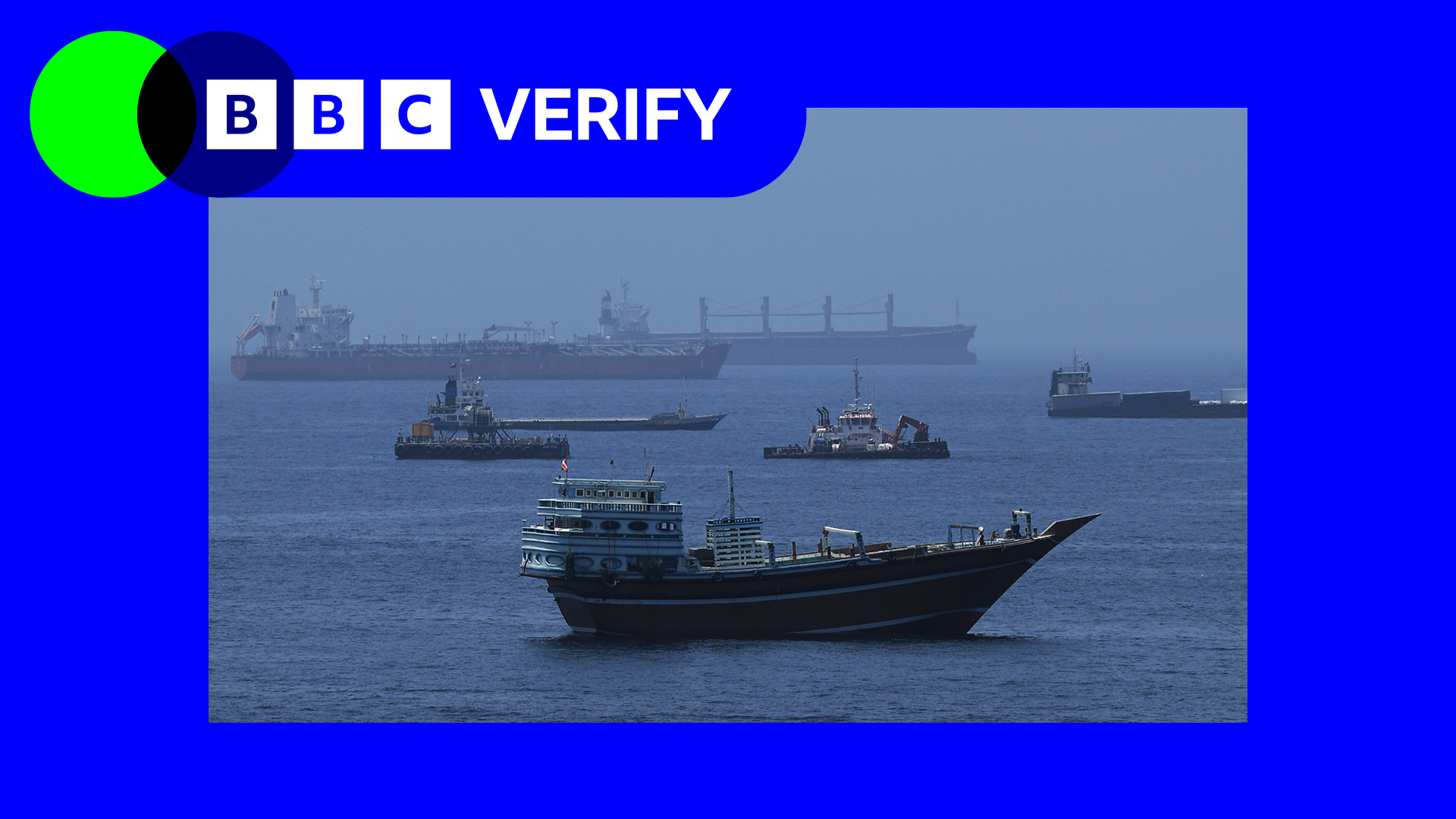
The announcement came after the first round of U.S.–Iran talks in Switzerland, underscoring progress on reopening the Strait of Hormuz and establishing a de‑confliction cell for the Lebanon front.
A memorandum of understanding signed last week commits Tehran to reopening the strait, ending hostilities on all fronts—including the conflict in Lebanon—and addressing the country’s stockpile of enriched nuclear material.
Vance said negotiations had laid a “very good foundation” for a final settlement and that nuclear inspectors could return “as soon as today” or at least this week.
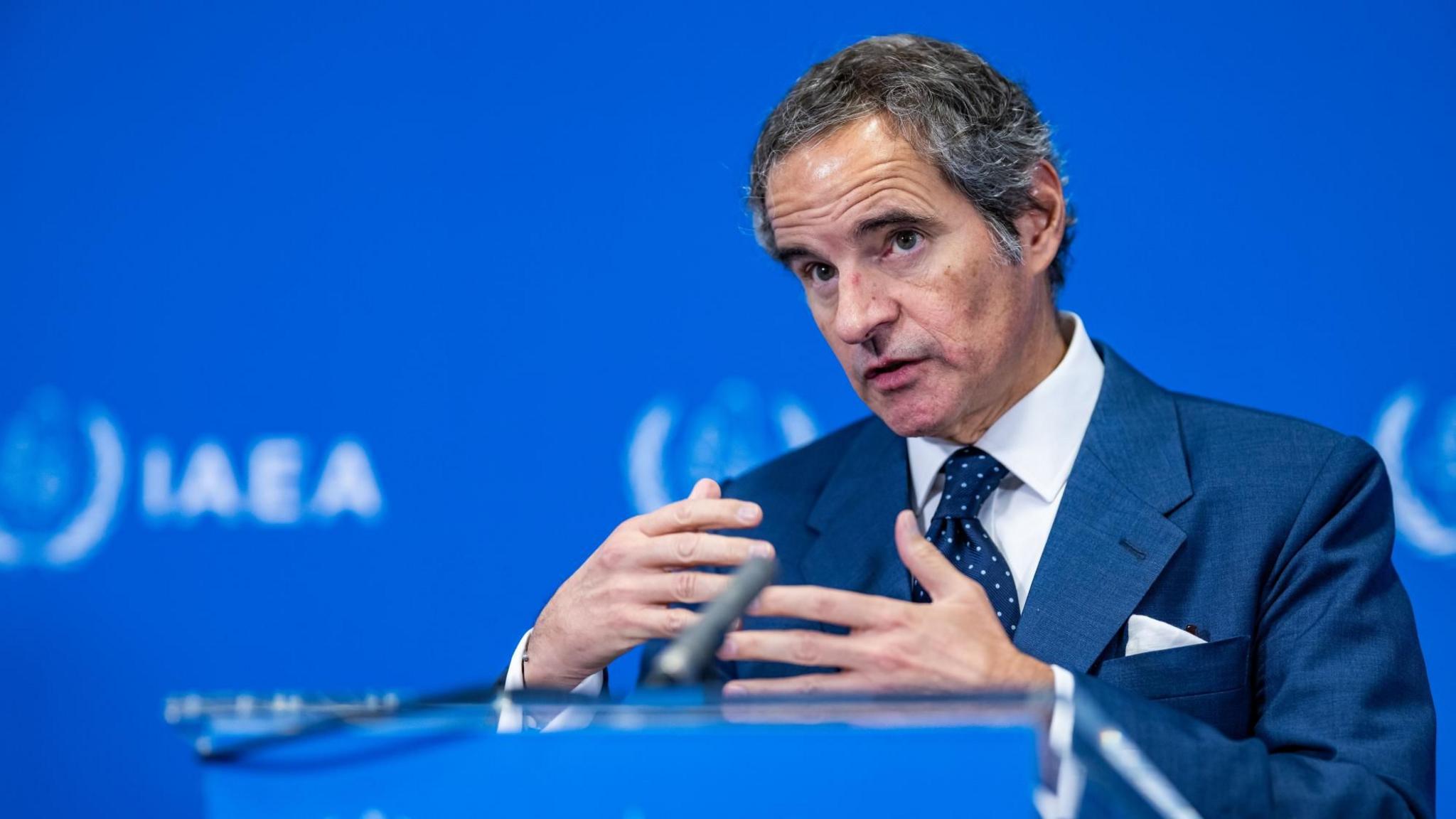
Iran has long maintained that its nuclear program is for civilian purposes only, but the IAEA and many nations remain unconvinced, citing security concerns over perceived enrichment capabilities.
The deal follows a period where IAEA inspectors were removed after Iran suspended access following a 12‑day war in June 2025. Its withdrawal was part of a wider effort to prevent miscommunication and ensure safe passage of commercial vessels through the Strait of Hormuz.
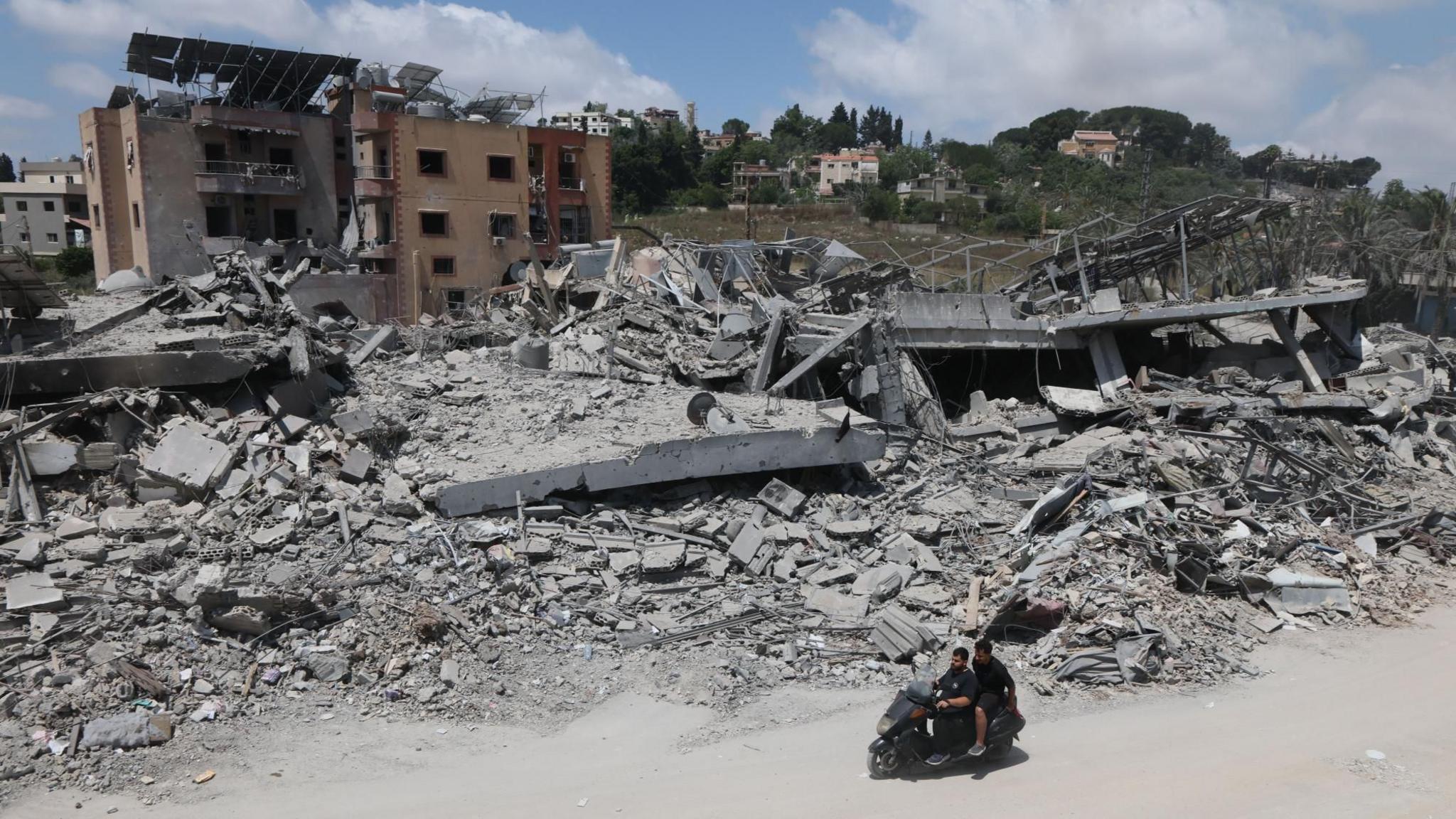
A de‑confliction cell involving the U.S., Iran and Lebanon—facilitated by Qatar and Pakistan—was also agreed to halt military operations in the Lebanese theatre.
The announcement comes as U.S. and Iranian negotiators left the Swiss resort of Bürgenstock, with technical discussions continuing. The MOU’s 14‐point framework references the IAEA’s role in assessing Iran’s enriched nuclear stockpile, highlighting the critical nature of the inspectors’ return.