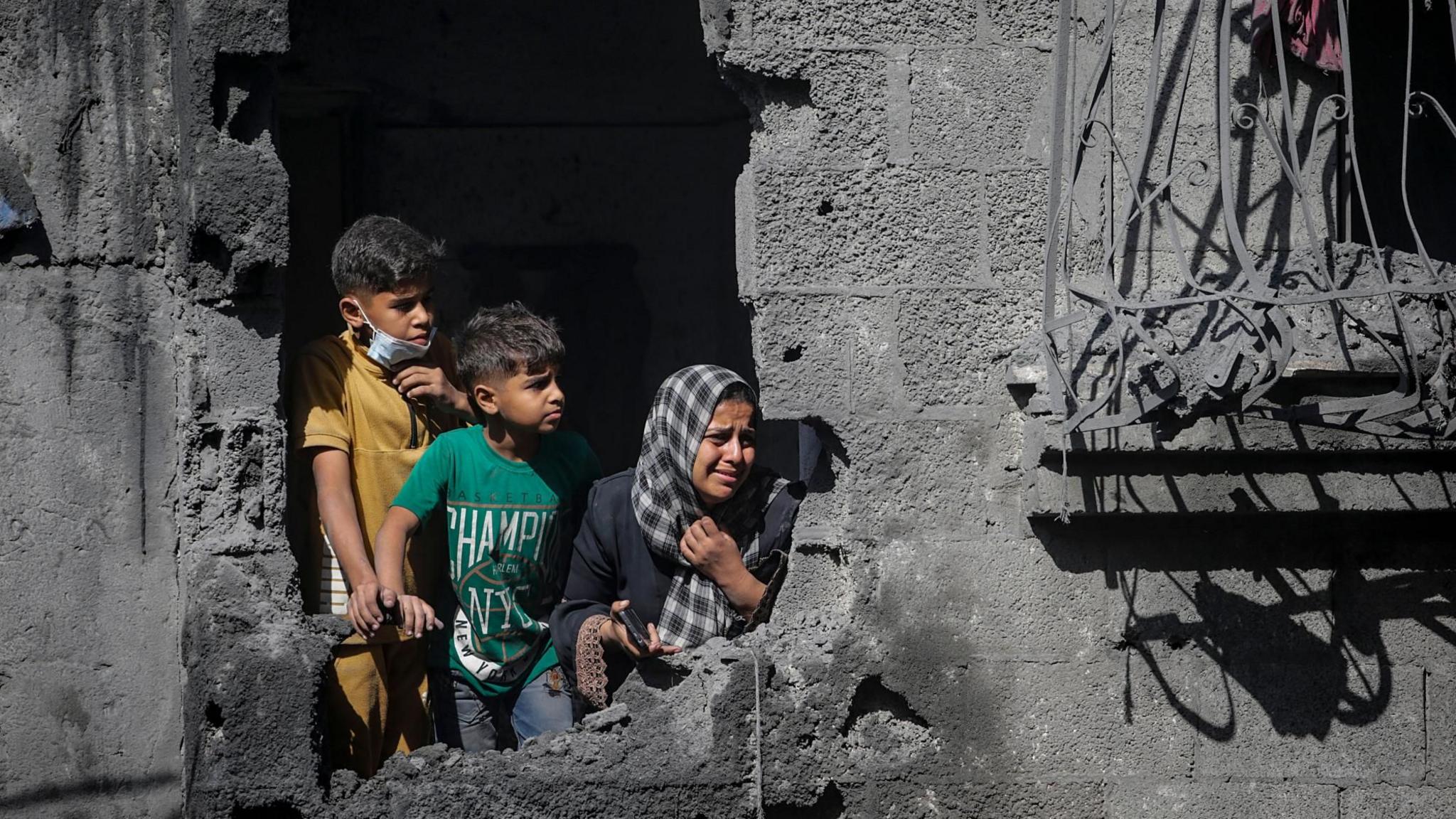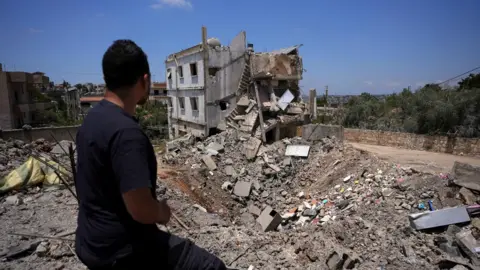
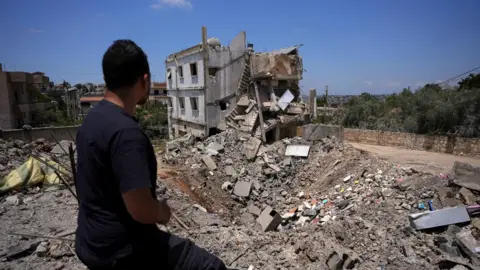
Hours after the U.S. and Iran announced a ceasefire agreement, displaced families began returning to communities in southern Lebanon, even as authorities warned that the situation remained unsafe.
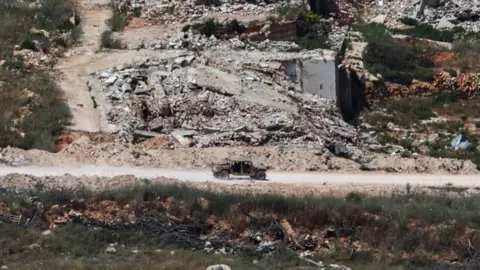
A widely shared video shows residents arriving in a village by car, only to encounter an Israeli armoured vehicle blocking a street, a stark reminder of the ongoing tension.
People in Lebanon had long hoped that the truce would end the fighting between Israel and the Iranian‑backed Hezbollah, but the fragile quiet that has emerged has provoked doubts about whether the war is truly over.
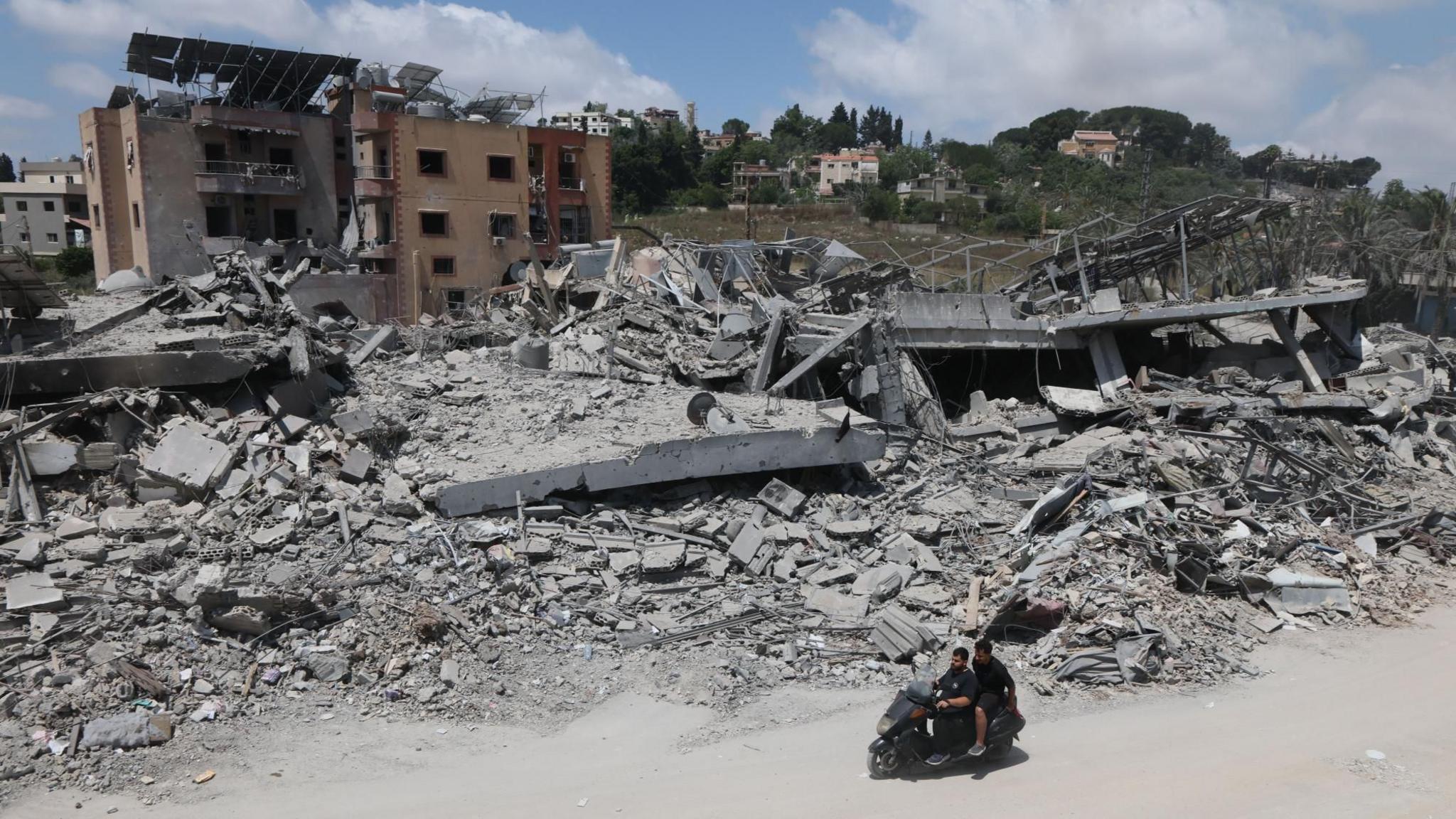
One man, Abo Ali, returned to his village of Jebchit after being displaced, describing the experience as “cautious” amid the surrounding destruction that could still be rebuilt.
Another, Moustafa, returned to his home with only a suitcase, noting that seeing the devastation was extremely hard and expressing concern that Israel could not be trusted.
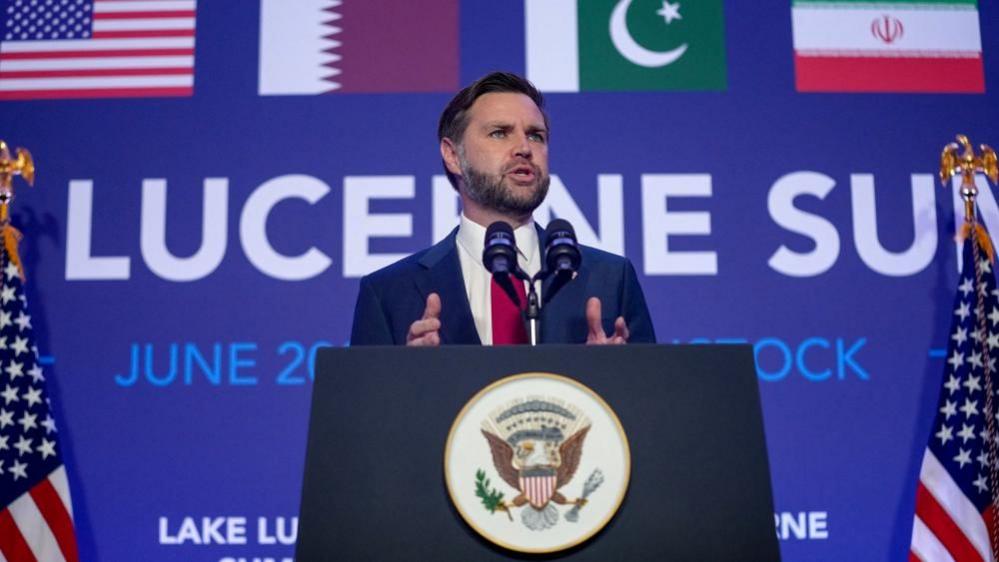
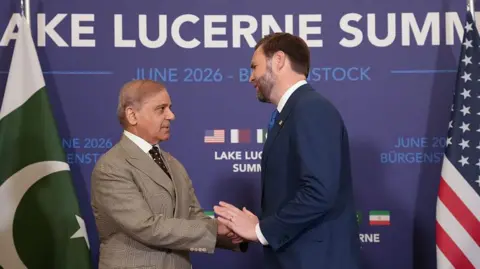
The US‑Iran agreement, still not publicly disclosed, is seen by Iran and Pakistan as a promise that a ceasefire in Lebanon will be part of the deal, a key hurdle in the negotiations.
The present conflict began in March when Hezbollah fired rockets at Israel in response to the killing of Iranian Supreme Leader Ayatollah Ali Khamenei, provoking a widespread Israeli bombing campaign and invasion of southern Lebanon.
Hezbollah, backed by Iran for decades, remains a powerful political and social force in Lebanon, especially among the Shia community, and its persistence fuels the ongoing tension.
Israel has argued that its operations against Hezbollah are separate from its conflict with Iran, yet the United States' pressure may compel a reassessment of these objectives.
The war has cost more than 3,800 lives, including many women and children, according to the Lebanese health ministry, who do not separate combatants from civilians.
The 2024 ceasefire failed to bring lasting peace; the Israeli army continued daily attacks on alleged Hezbollah targets.
Hezbollah has declined to reassess its arsenal, insisting that only diplomacy could lead to disarmament, a stance that seems distant from realistic solutions.
Around 5% of Lebanon’s territory remains under Israeli occupation, with no clear plan for withdrawal or reconstruction, and the future security of the region remains unclear.