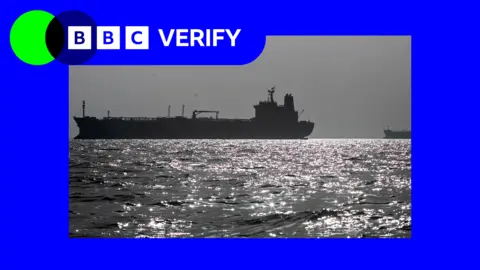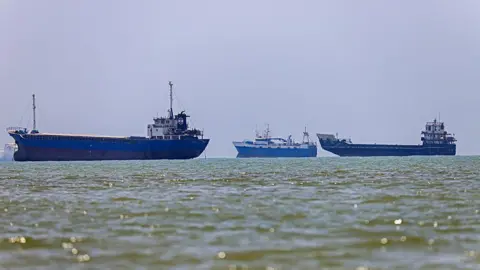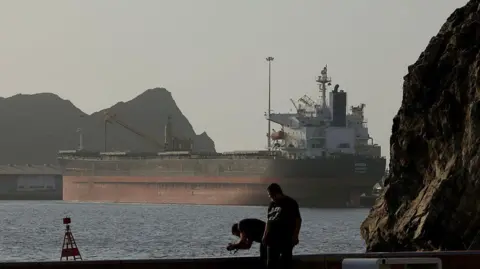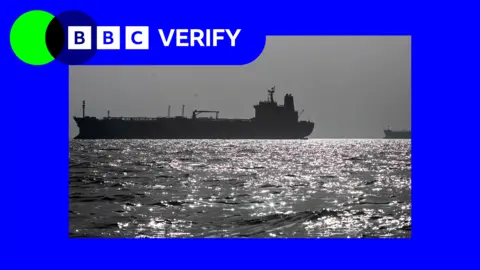
Three Iranian oil tankers flagged with crude oil have crossed the US blockade line in the Gulf of Oman, according to MarineTraffic ship‑tracking data.
The vessels – Diona, Hero II and Sonia I – began broadcasting positions for the first time in months, hinting at resumed Iranian oil exports. Two of the ships were already displaying their coordinates when they passed the line, while the third activated its tracker just after crossing.
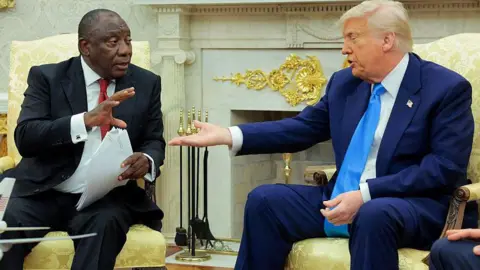
In a surprise move, President Trump a day earlier announced the "immediate removal" of the blockade, yet U.S. naval forces confirmed it remains in effect until the new deal with Iran is signed. Analysts say the flotilla’s defiance signals confidence that the blockade is over, notwithstanding the U.S. stance.
All three vessels are owned by the National Iranian Tanker Company, which the U.S. Treasury has sanctioned, and the ships themselves carry separate sanctions. They departed Chabahar port on Tuesday, sailing toward the Arabian Sea in the early hours of Wednesday, their combined cargo totaling 3.8 million barrels of crude oil.
After the blockade announcement, Iranian‑linked tankers have become noticeably more active worldwide, according to United Against Nuclear Iran. Two other tankers, Dan and Sinopa, started broadcasting again in the Strait of Malacca on Tuesday, and a previously unrecorded tanker, Stream, began sailing toward Iran after stopping near Karachi.
The U.S. blockade has forced Iran’s crude exports down to the lowest level in six years, with a 260,000‑barrel-per‑day volume in May – a fractions of the 1.67 million barrels per day average of 2025, per Kpler data.
U.S. enforcement actions, such as intercepting Iranian‑linked vessels off the Indian Ocean, remain a possibility, even though the blockade’s immediate zone has been extended to beyond the Gulf region.