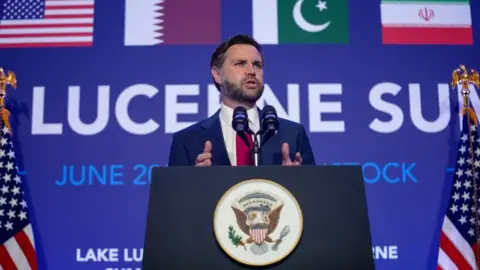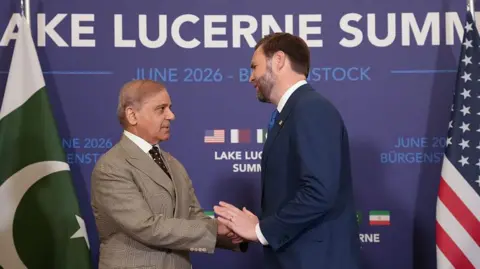
In a move that could mark a turning point in post‑war nuclear diplomacy, International Atomic Energy Agency (IAEA) director‑general Rafael Grossi confirmed that inspectors will soon travel to Iranian nuclear sites under the 2026 US‑Iran memorandum of understanding signed last week.
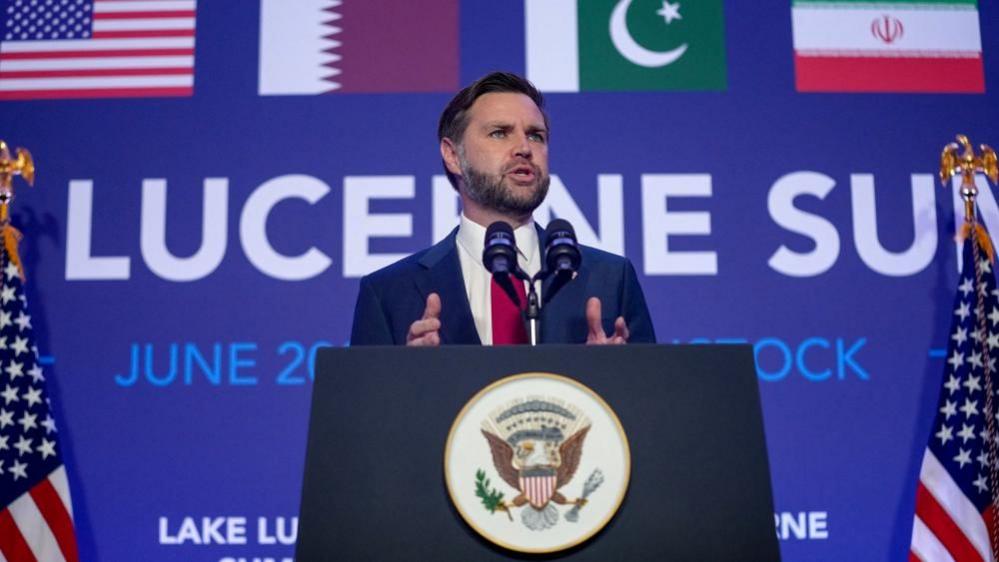
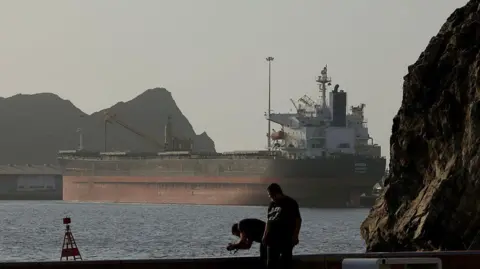
The agreement, part of a broader peace framework, explicitly requires the dilution of Iran’s highly enriched uranium under IAEA supervision, and it permits a limited amount of shipping through the Strait of Hormuz while the U.S. lifts an existing naval blockade on Iranian ports.
Grossi said the IAEA “will be working on the modalities – dates, procedures, places – very soon.” He added that the measures are “explicitly” described in the US‑Iran accord, guaranteeing that nuclear activities undertaken would be overseen by the IAEA.
Iran’s deputy foreign minister, Kazem Gharibabadi, warned that access to damaged Iranian facilities and nuclear materials would only be addressed within a final agreement framework with the U.S. and after sanctions are lifted. He criticised media narratives that replace ground realities.
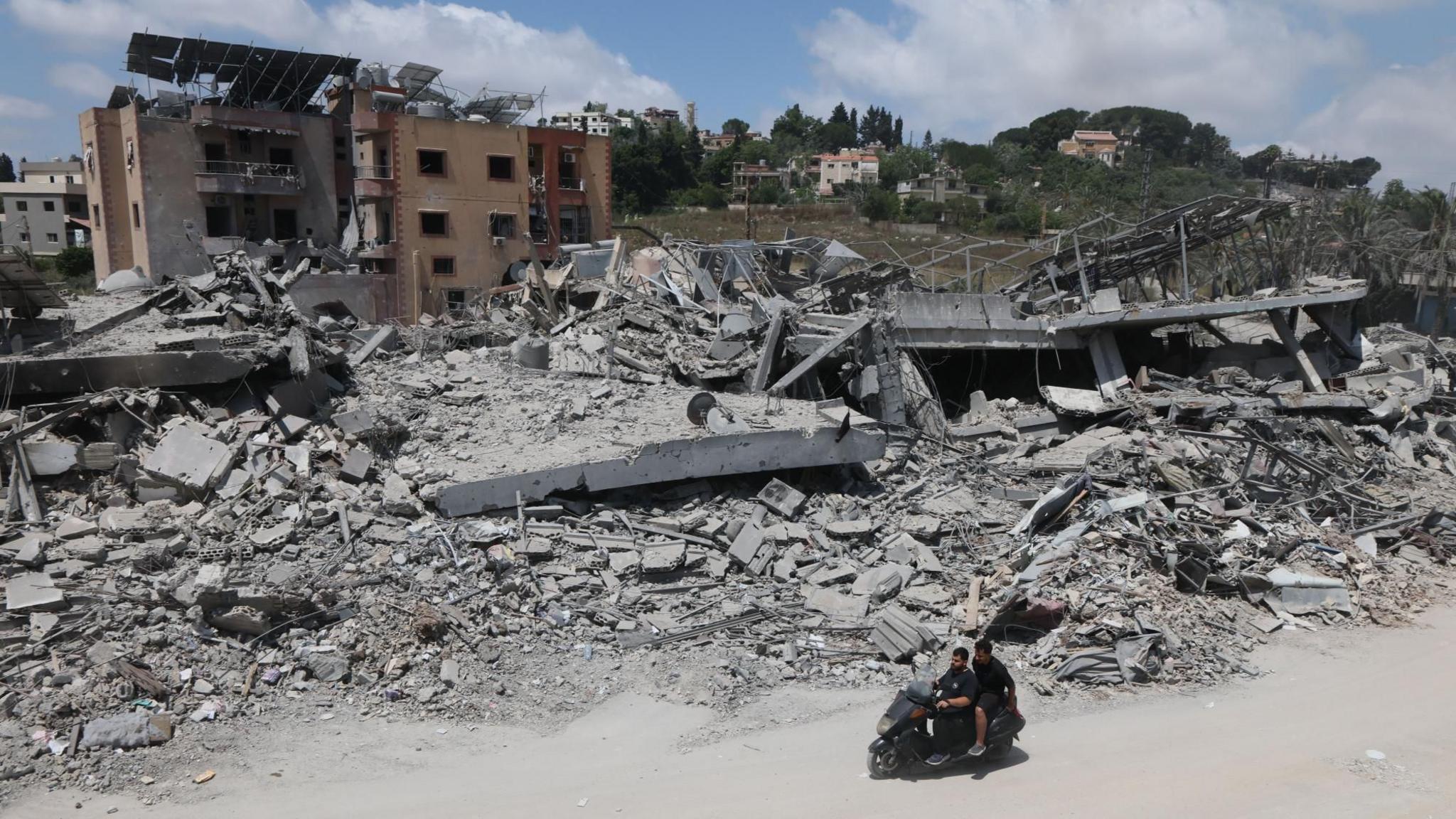
While the IAEA has already visited the Bushehr nuclear power plant, inspectors still lack entry to the sensitive sites bombed earlier this year during the U.S.–Israel‑Iran clash. The lack of access has left experts uncertain about the extent of Iran’s enriched uranium stockpile, which could theoretically supply the fuel for up to ten nuclear weapons if reached 90% purity.
U.S. Secretary of State Marco Rubio is touring Gulf states to discuss the agreement, meeting leaders such as UAE President Mohamed bin Zayed Al Nahyan and slated visits to Kuwait and Bahrain. The talks have coincided with a downturn in oil markets, as Brent crude fell below $75 per barrel for the first time since the war’s escalation.
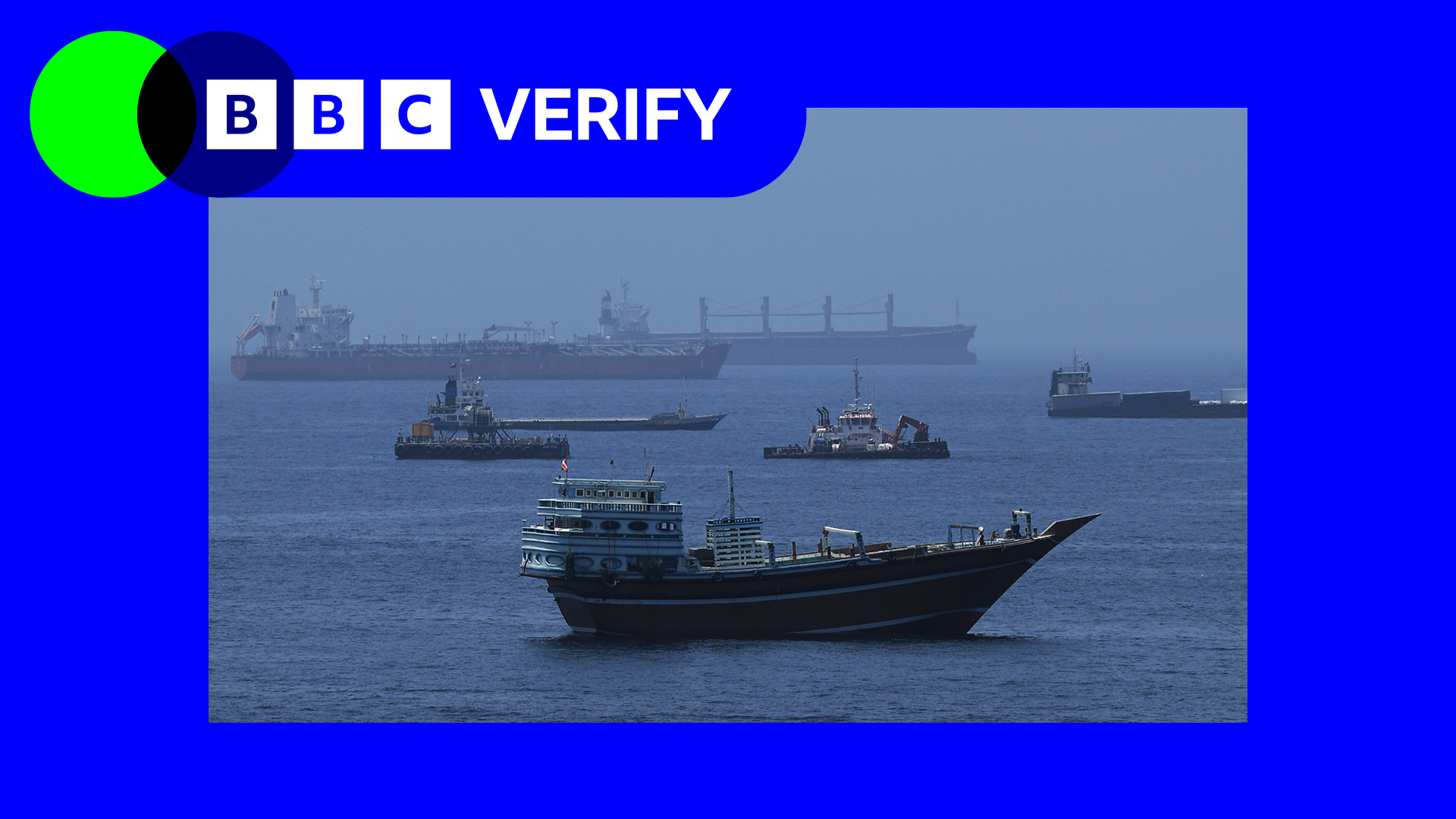
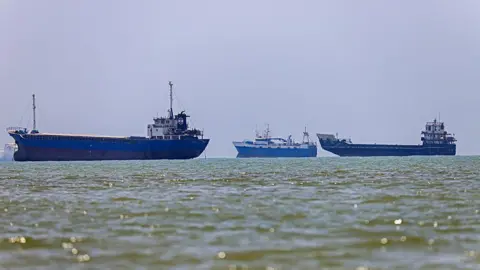
On the same day, the UN reported that ships, part of a special convoy to evacuate sailors stranded by the war, had begun transiting the Strait of Hormuz, underscoring the broader strategic shift in the region.