In brief
Following talks in Switzerland, U.S. Vice‑President JD Vance announced that IAEA inspectors could return, but Iran’s foreign ministry denied any new commitments on nuclear inspections. The temporary 60‑day sanctions waiver lifted restrictions on Iranian oil exports, banking, and logistics, giving Tehran some economic respite. The deal also hinges on keeping the Strait of Hormuz open and forming a de‑confliction cell for regional security. The situation underscores the fragile balance between diplomatic progress and geopolitical tension in the Middle East.
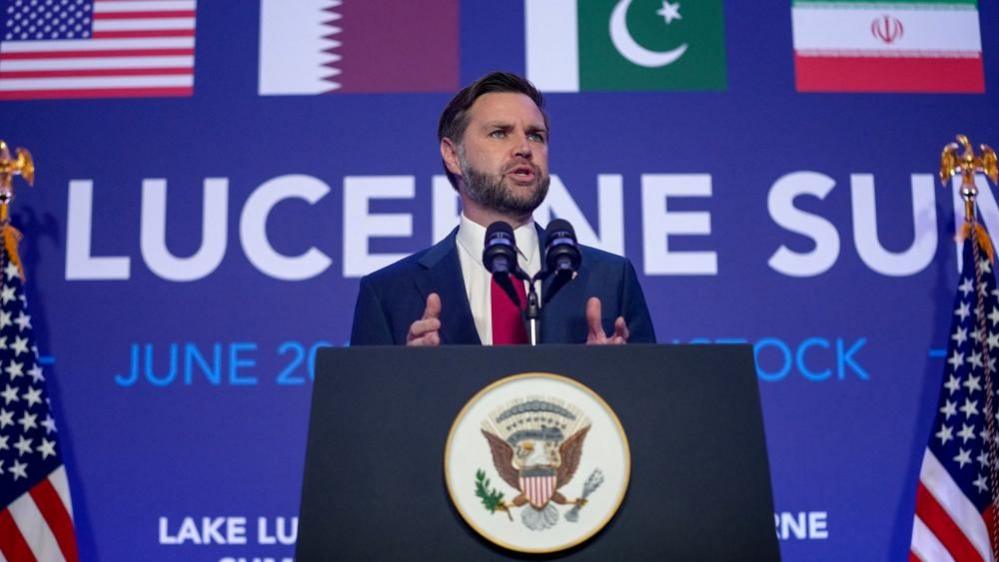
After a round of talks in Switzerland, U.S. Vice‑President J.D. Vance said nuclear inspectors could be invited back to Iran and that discussions with the IAEA would begin "as soon as today". The offer was part of a broader diplomatic push, aimed at resetting the stalled 2015 nuclear deal.
The Iranian foreign ministry, however, rebuffed the claim, stating Tehran had "made no new commitments" on nuclear inspections. A spokesperson said any engagement would occur under existing procedures set by Parliament and the Supreme National Security Council.
In a parallel move, the U.S. Treasury issued a 60‑day sanctions waiver, allowing Iran to sell crude oil in U.S. dollars and to benefit from eased banking, insurance, and shipping arrangements. The temporary lift covers production, sale, and delivery until 21 August and enables direct imports into the U.S. market.
The agreement also hinges on keeping the strategic Strait of Hormuz open and forming a de‑confliction cell between the U.S., Iran, and Lebanon. This is seen as a fresh step towards ensuring safe passage for commercial vessels and cooling tensions in the region.
While the U.S. and Iran have reached a "roadmap towards a final deal within 60 days," the Iranian side remains cautious, citing past suspensions of IAEA access after the conflict last summer in exchange for strategic concessions. The current thaw, therefore, sits on the precarious balance of diplomatic goodwill and geopolitical reality.