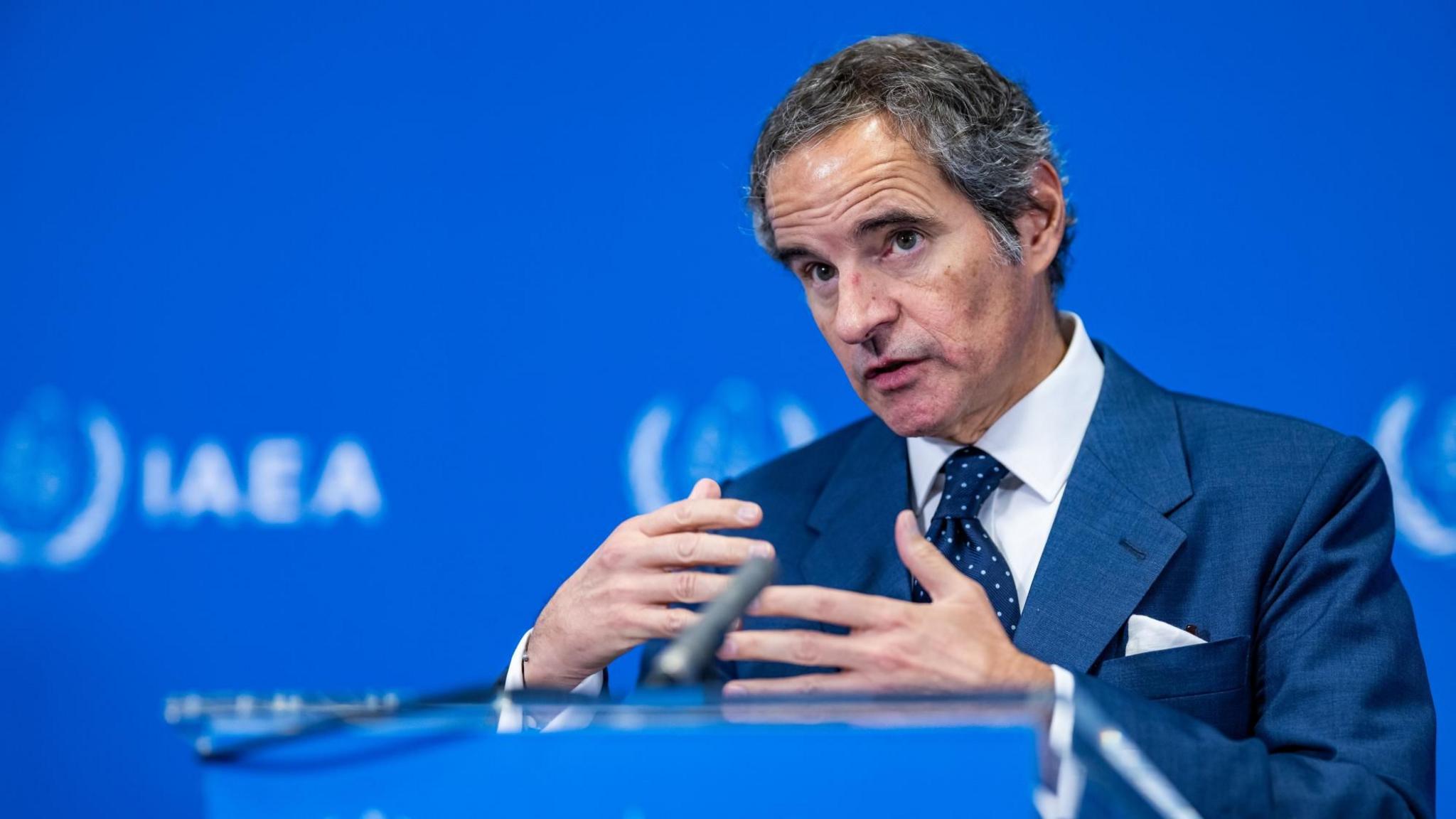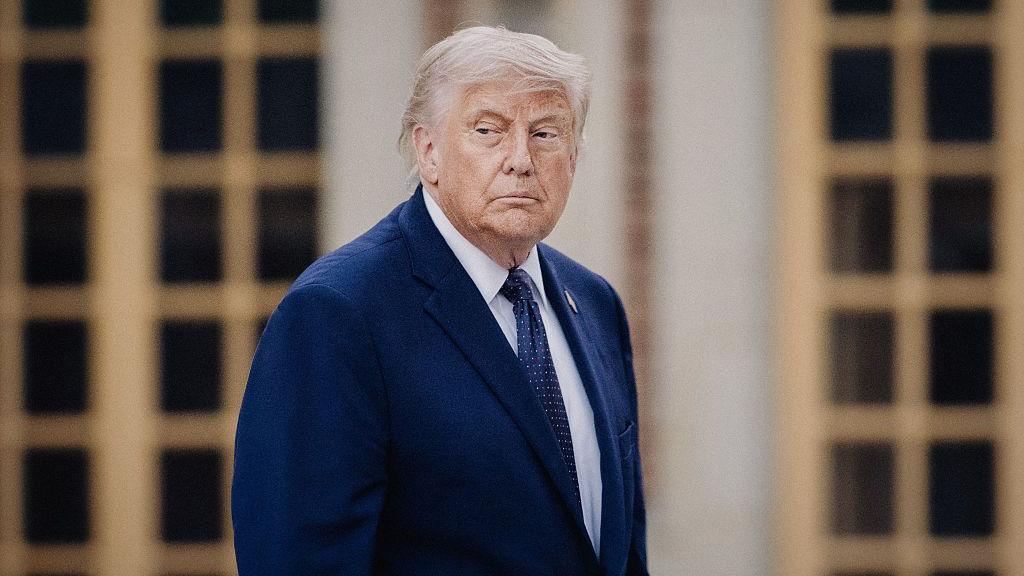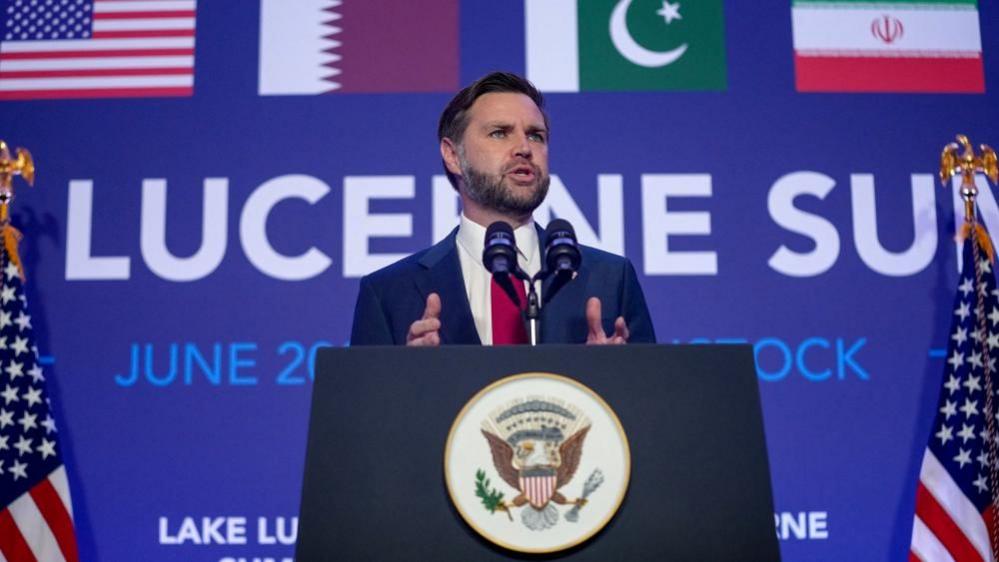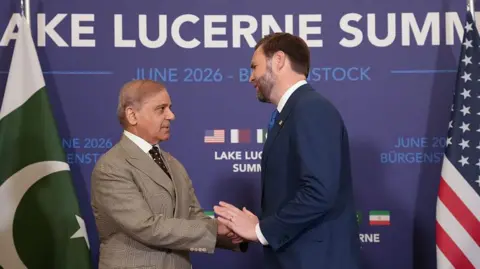
Following a preliminary agreement signed earlier this week, U.S. Vice‑President John D. Vance and Iranian Foreign Minister Abbas Araghchi began formal talks in Switzerland at the Bürgenstock resort.
The document calls for an immediate cease‑fire on all fronts, an unrestricted reopening of the Strait of Hormuz, and the elimination of all U.N.‑based sanctions. It also outlines a £224 bn reconstruction package to stabilize the Iranian economy.
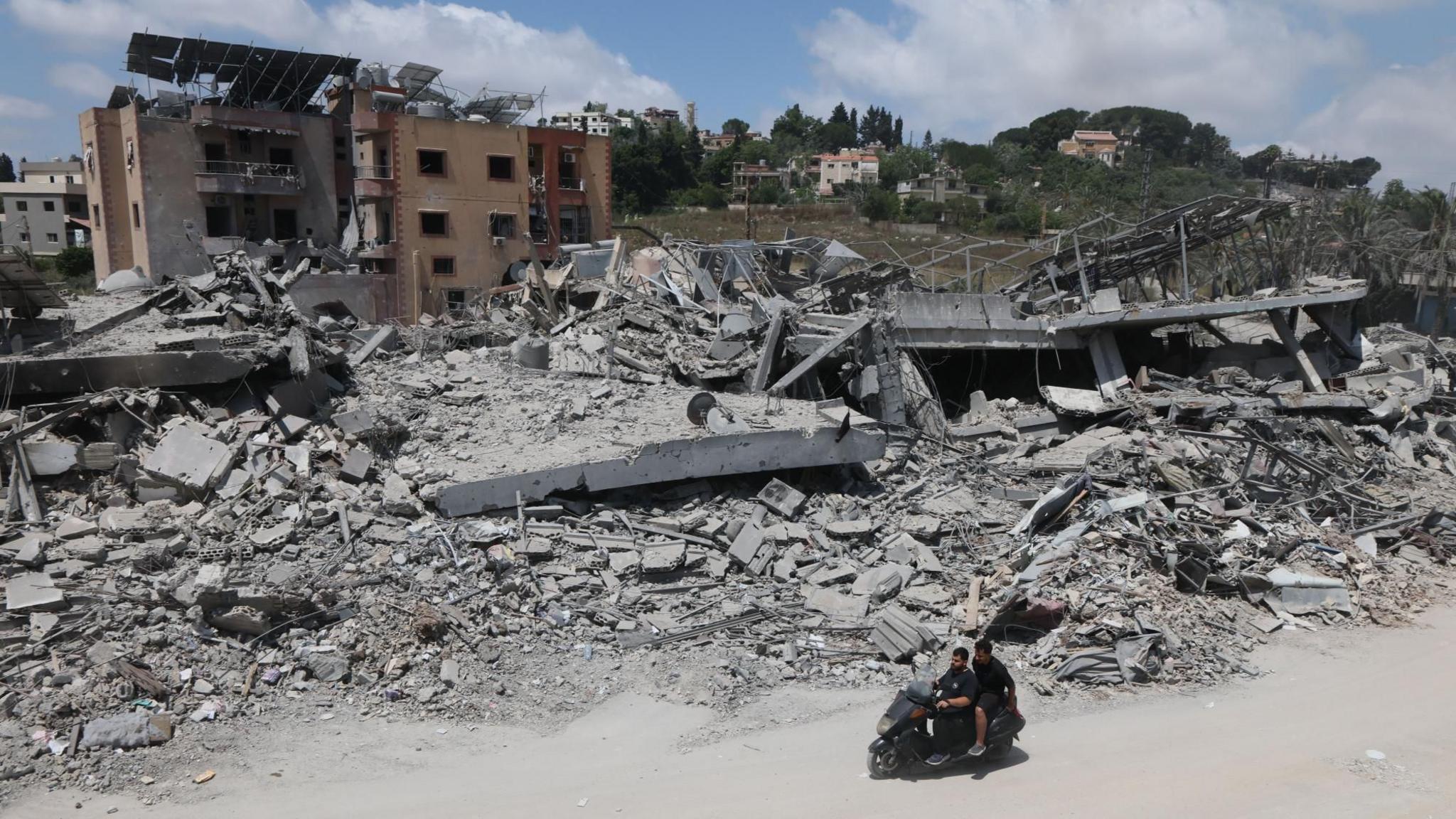
Although the deal includes a 60‑day deadline for a final settlement, violence continues between Israel and the Iran‑backed Hezbollah forces in Lebanon, a conflict that Israel claims is separate from the broader Iran war.
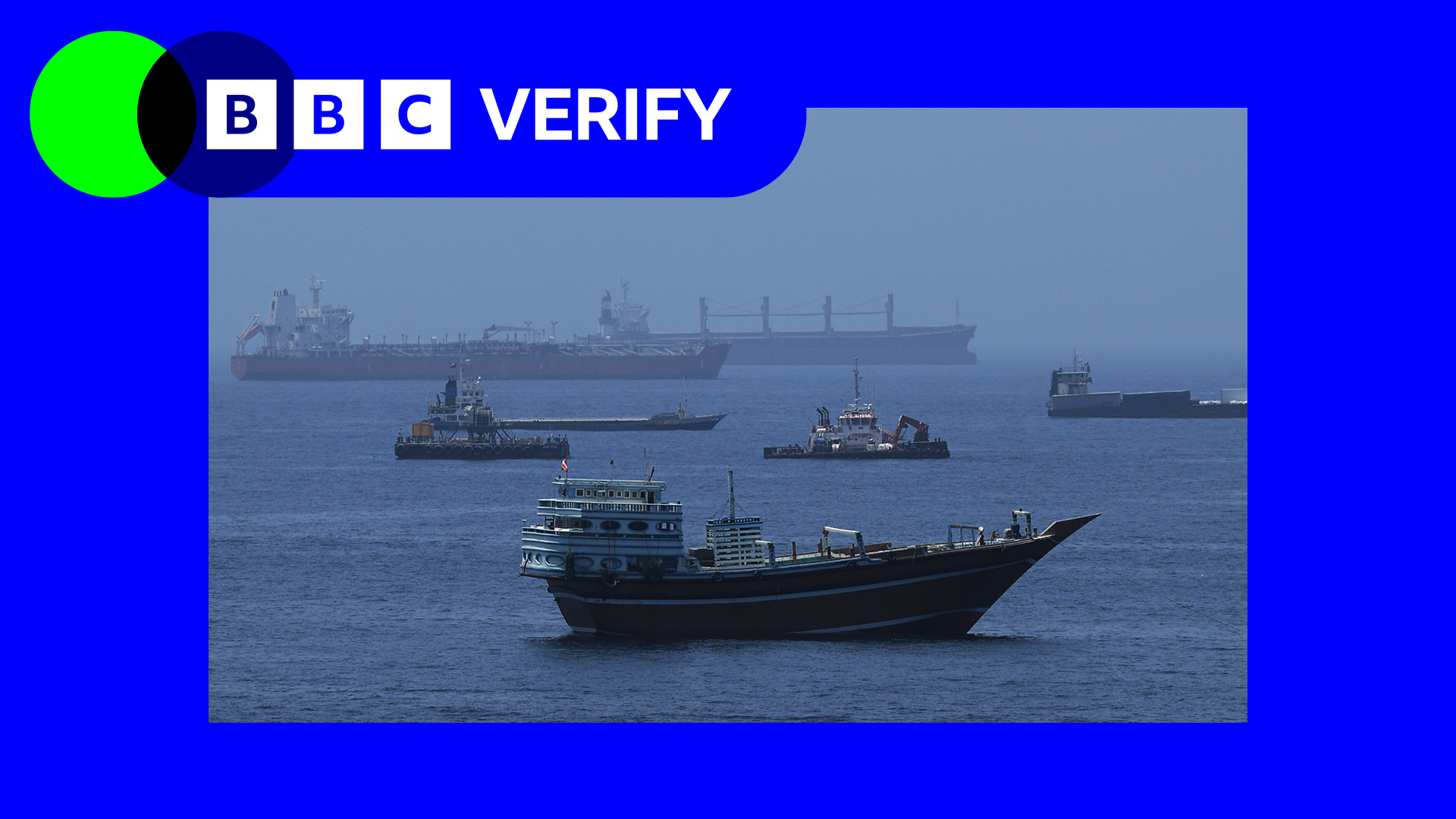
Iran warned that it might shut the strait again if the ceasefire is breached, yet maritime tracking data shows several vessels still traversing the channel on Sunday, suggesting a partial, real‑time reopening.
Pakistan’s Prime Minister Shehbaz Sharif—who has acted as a mediator throughout the conflict—also joined the Swiss talks, reinforcing the country’s role as a diplomatic bridge.
U.S. forces have lifted a naval blockade that previously restricted traffic to and from Iranian ports, and both sides reiterated their commitment to implementing the deal’s terms. The conversation is expected to continue over the next few days, with the goal of solidifying the cease‑fire and setting a path toward lasting peace.