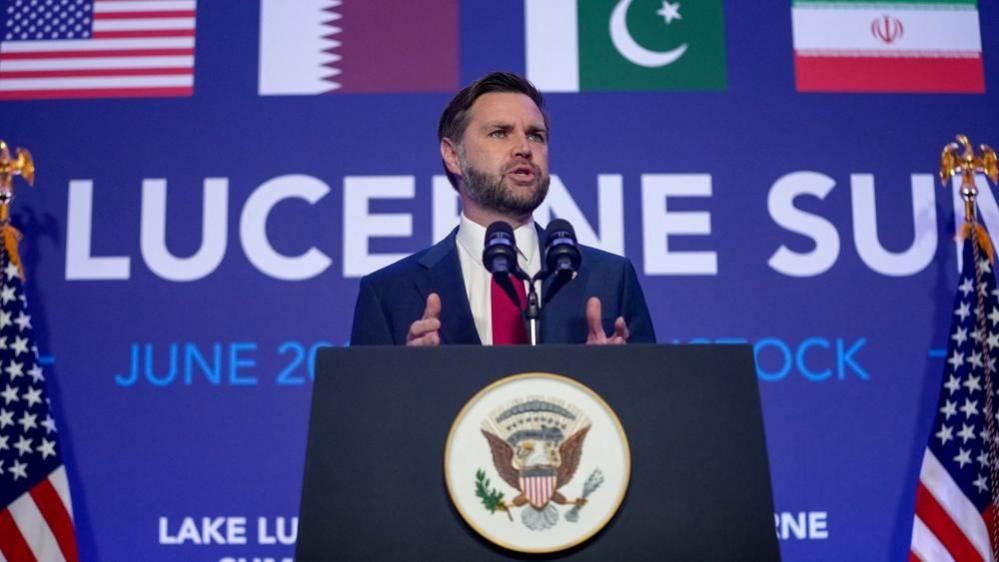
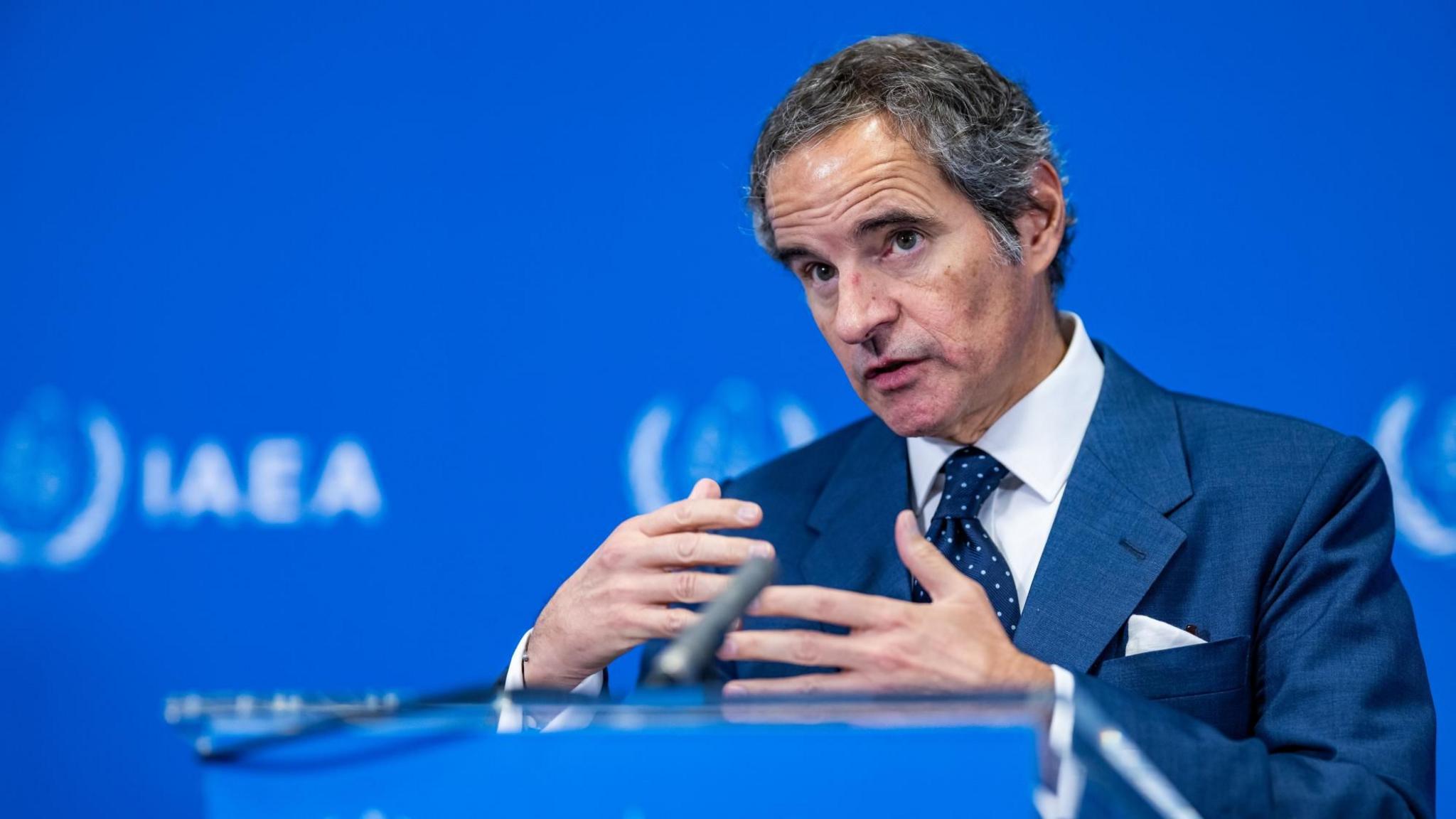
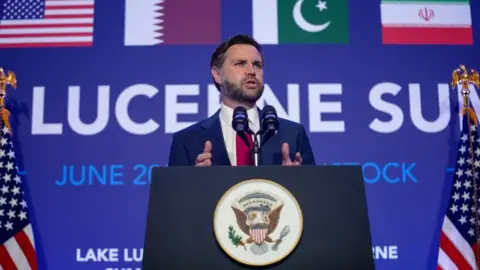
In a surprising counter‑claim, Iran’s foreign ministry said it has made no new commitments to reopen its nuclear sites to the International Atomic Energy Agency, after Vice‑President JD Vance announced that negotiations in Switzerland could see inspectors return “as soon as today.”
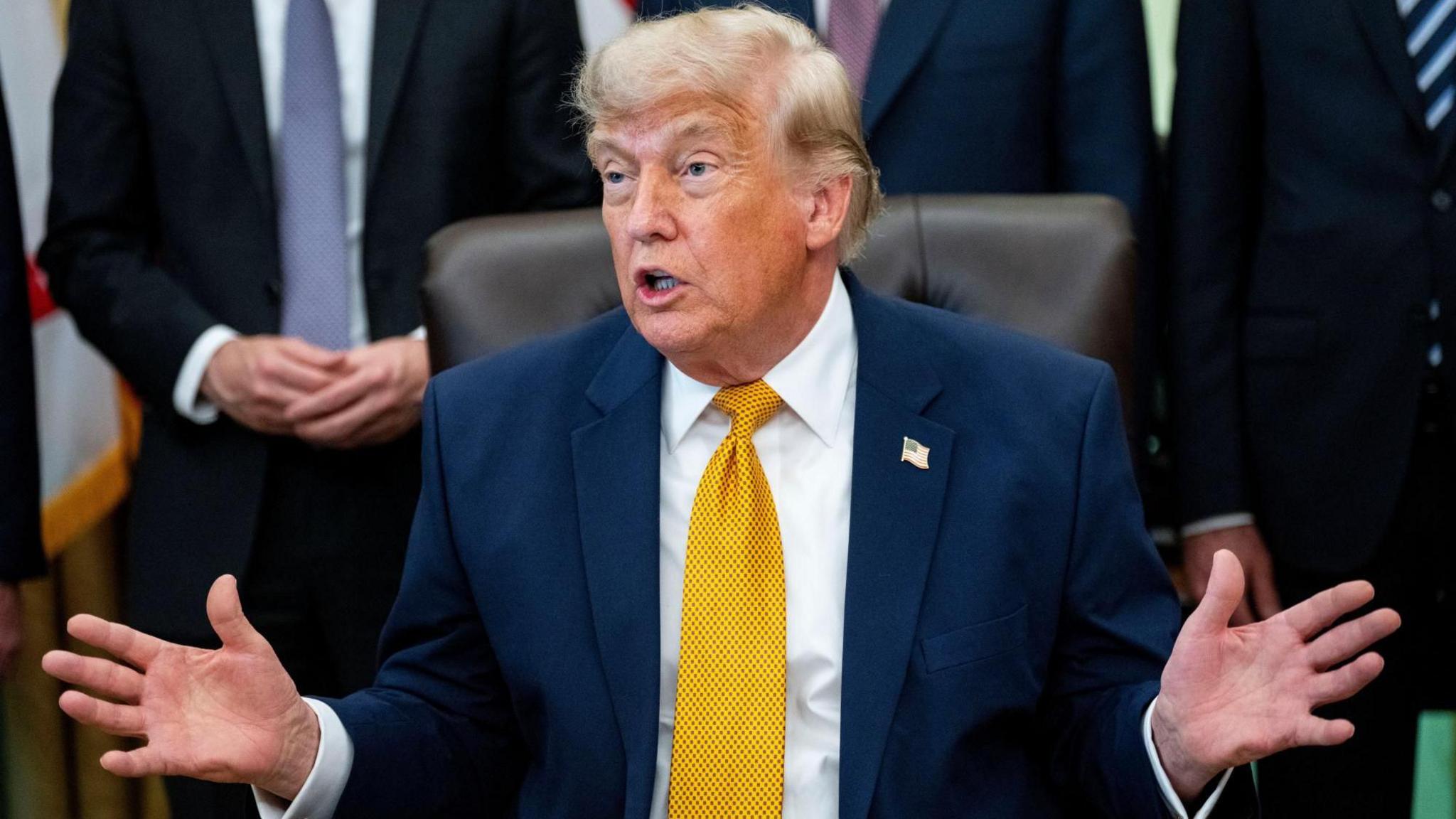
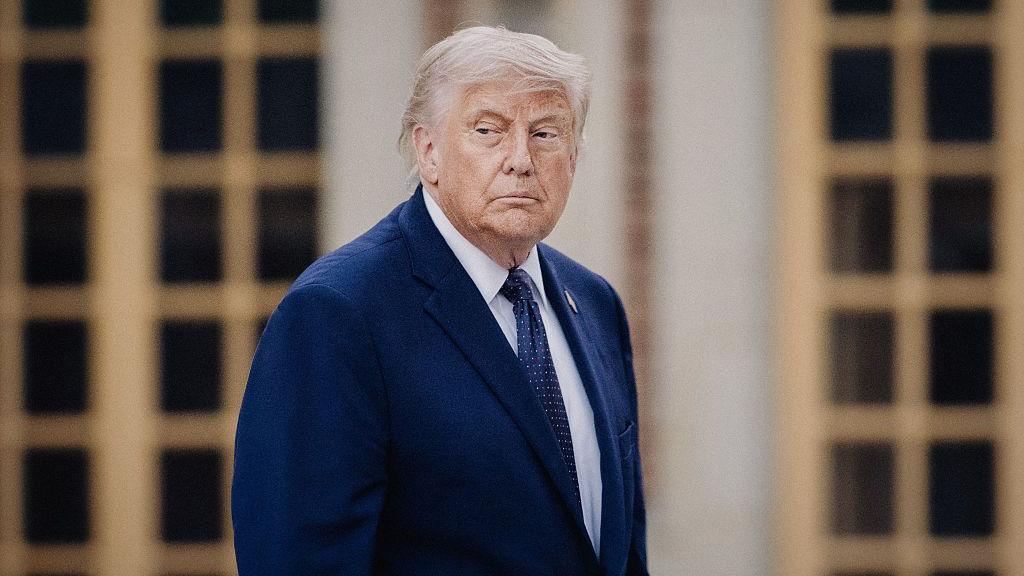
The statement comes as President Donald Trump, in a post on Truth Social, insisted that the Iranian regime had “fully and completely agreed” to inspections, warning that any refusal would halt further negotiations. Sources say Tehran’s position is rooted in a refusal to alter existing procedures set by its Parliament and Supreme National Security Council.
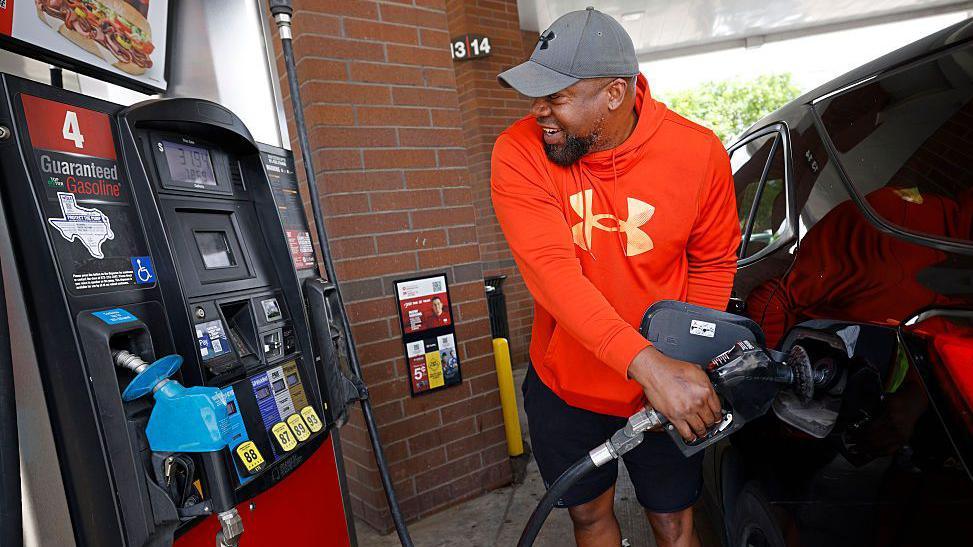
The 60‑day sanctions waiver, approved by the U.S. Treasury, allows Iranian crude and petrochemicals to be sold in U.S. dollars and restores banking, insurance and transportation access, but does not lift the long‑standing embargo that has crippled Tehran’s economy. This waiver also permits Iranian oil to be imported directly into the United States.
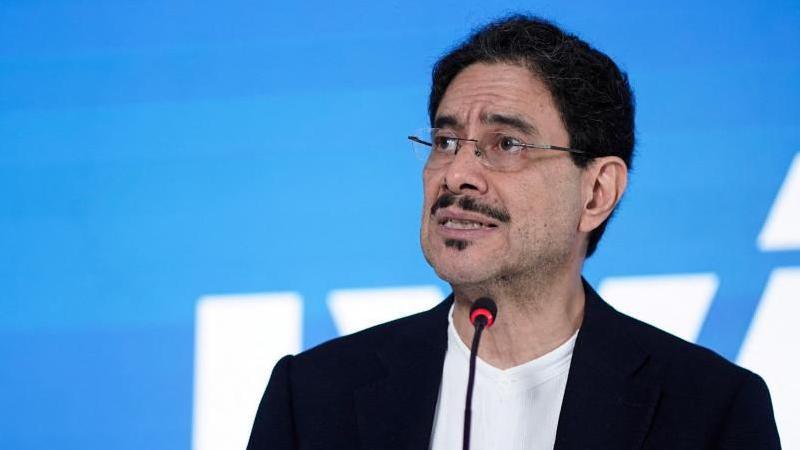
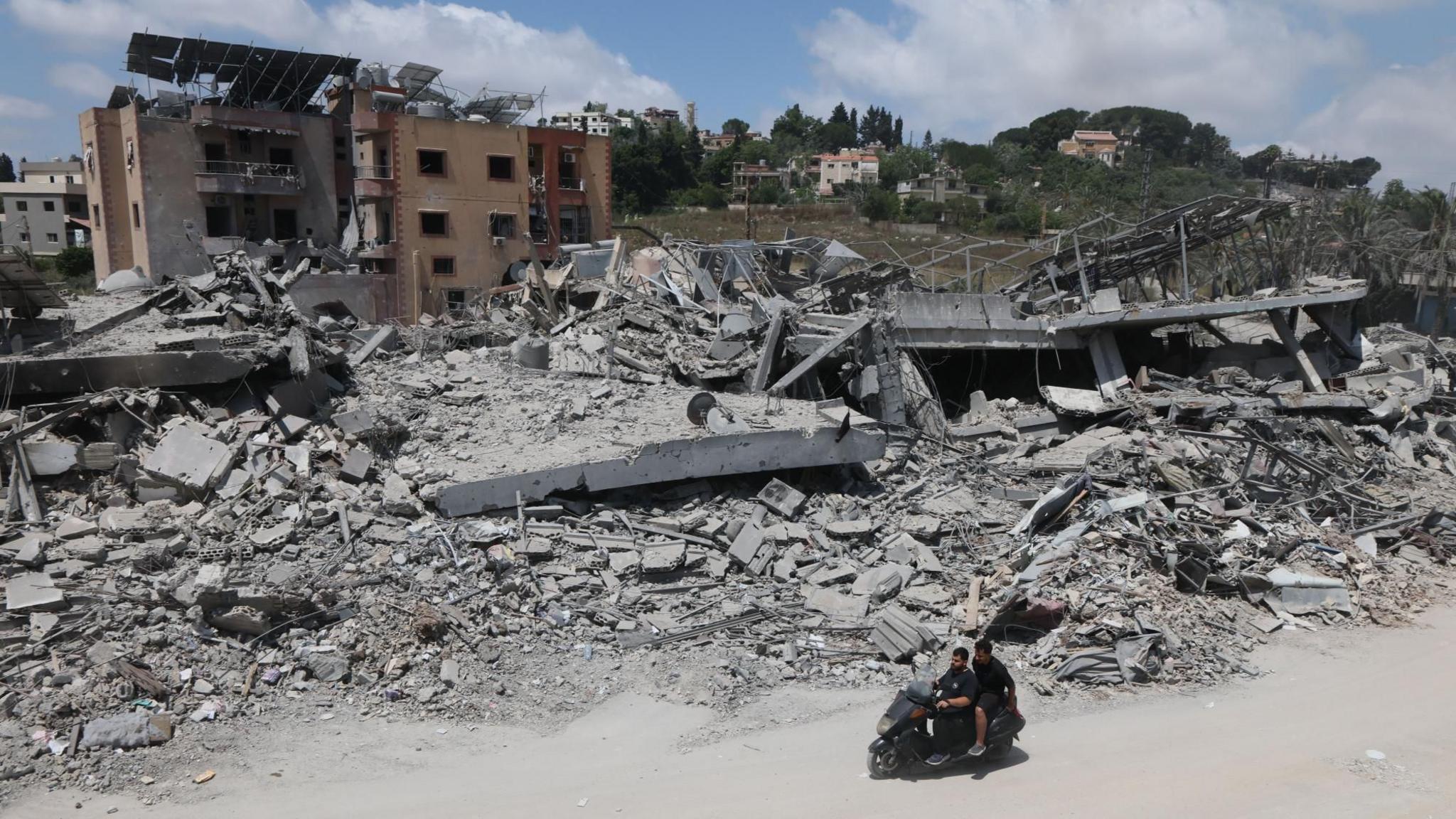
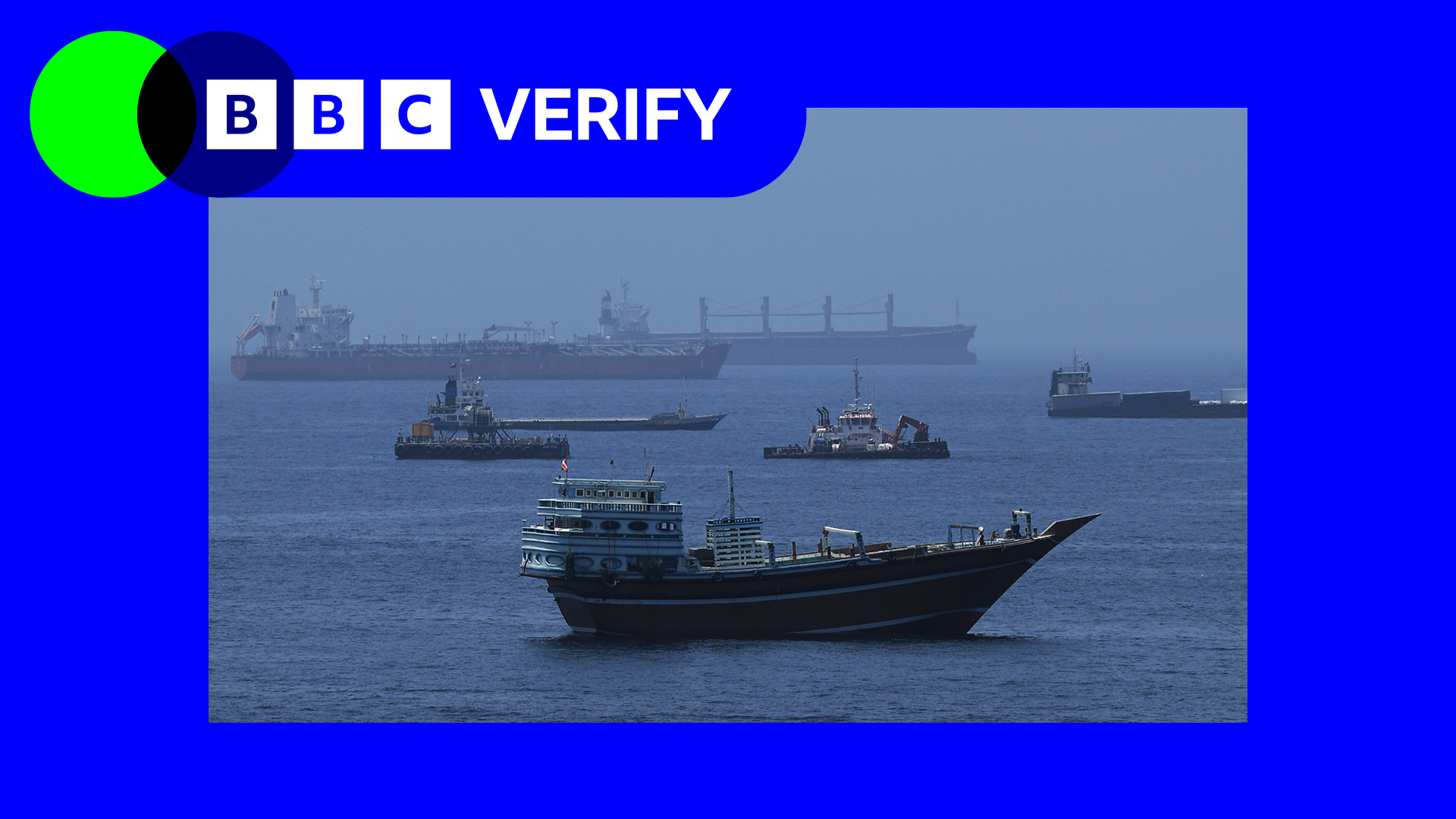
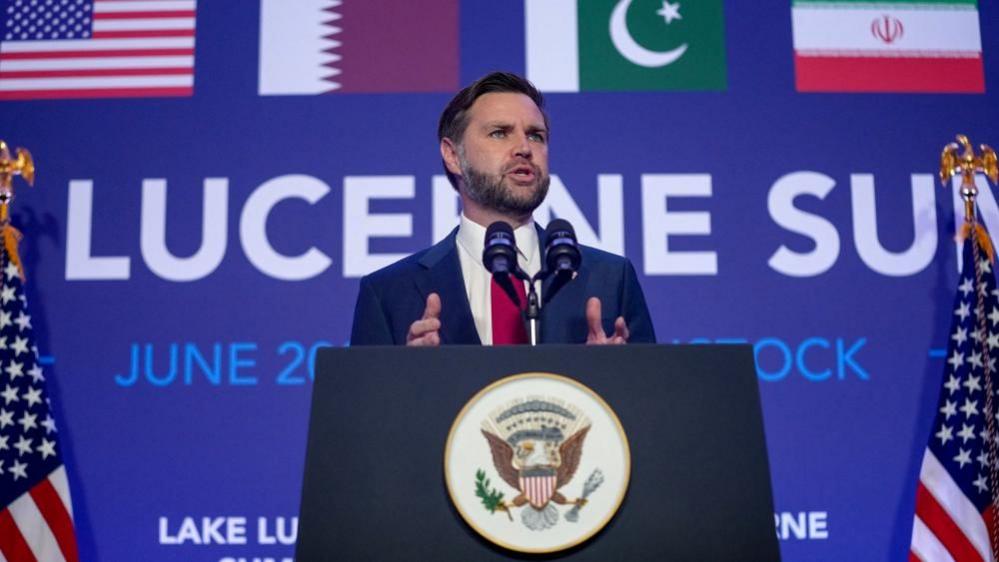
Vance, speaking at the Bürgenstock resort, highlighted a “good foundation” laid during the first round of talks, calling the discussions a step toward reopening the Strait of Hormuz and de‑conflicting potential conflicts in Lebanon. The U.S. and Iranian delegations have also agreed to create a communication line to safeguard commercial vessel passage through the strait.
Background to these tensions is the 2015 nuclear deal, for which the United States withdrew in 2018, and the backdrop of a brief but intense 12‑day war over the past summer that saw U.S. and Israeli bombings of Iranian facilities. Iran had previously suspended IAEA access to sites bombed by U.S. and Israeli forces, delegating that any engagement would occur under Iran’s own protocols.
While Tehran has denied making “new” commitments, the United States remains confident in Tehran’s compliance, leveraging the temporary sanctions relief and the promise of a 60‑day roadmap to a final deal. The trajectory of this dialogue remains uncertain, as both sides continue to press on conflicting narrations around nuclear inspections and regional security.