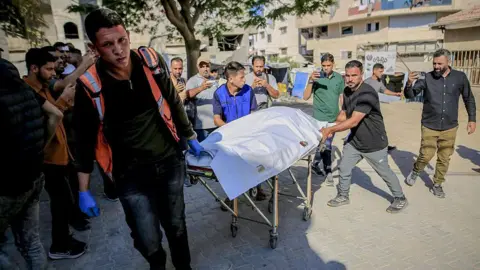
In a shocking reminder that the ceasefire reached last Sunday has not yet silenced hostilities in Lebanon’s most disputed border area, Israeli troops killed two Lebanese civilians in the town of Nabatieh al‑Fawqa. The deaths were reported by the Lebanese Ministry of Health and recorded by the state‑run National News Agency.
The victims, Mohammed Amhaz and Sajed al‑Hajj Ali, were standing beside a bulldozer that was clearing debris in the al‑Deir neighbourhood when they were shot. According to the agency, they were part of a team from the Islamic Health Association, an emergency service linked to Hezbollah, a group that had been actively engaged in the recent conflict.
Hezbollah immediately condemned the incident as “a blatant violation of the ceasefire,” and its military wing – the Islamic Resistance – issued a statement asserting that the truce had so far been upheld by “every side.” The group warned that any further breaches could trigger a new round of retaliation, though it did not immediately confirm plans to respond.
Israel’s Defence Forces said the footage showed four Hezbollah terrorists on a bulldozer and a motorcycle creating a “direct threat” to the soldiers stationed on the Ali al‑Taher ridge, a strategically pivotal position overlooking Southern Lebanon. They claimed the foreign recruits were not sporting standard army vehicles but rather an improvised mobile base and that the soldiers had fired their warning shots before the militants ignored them. Israel also reported hitting a “cell of armed terrorists” north of the security zone with a hostile missile strike, though it said no casualties were confirmed.
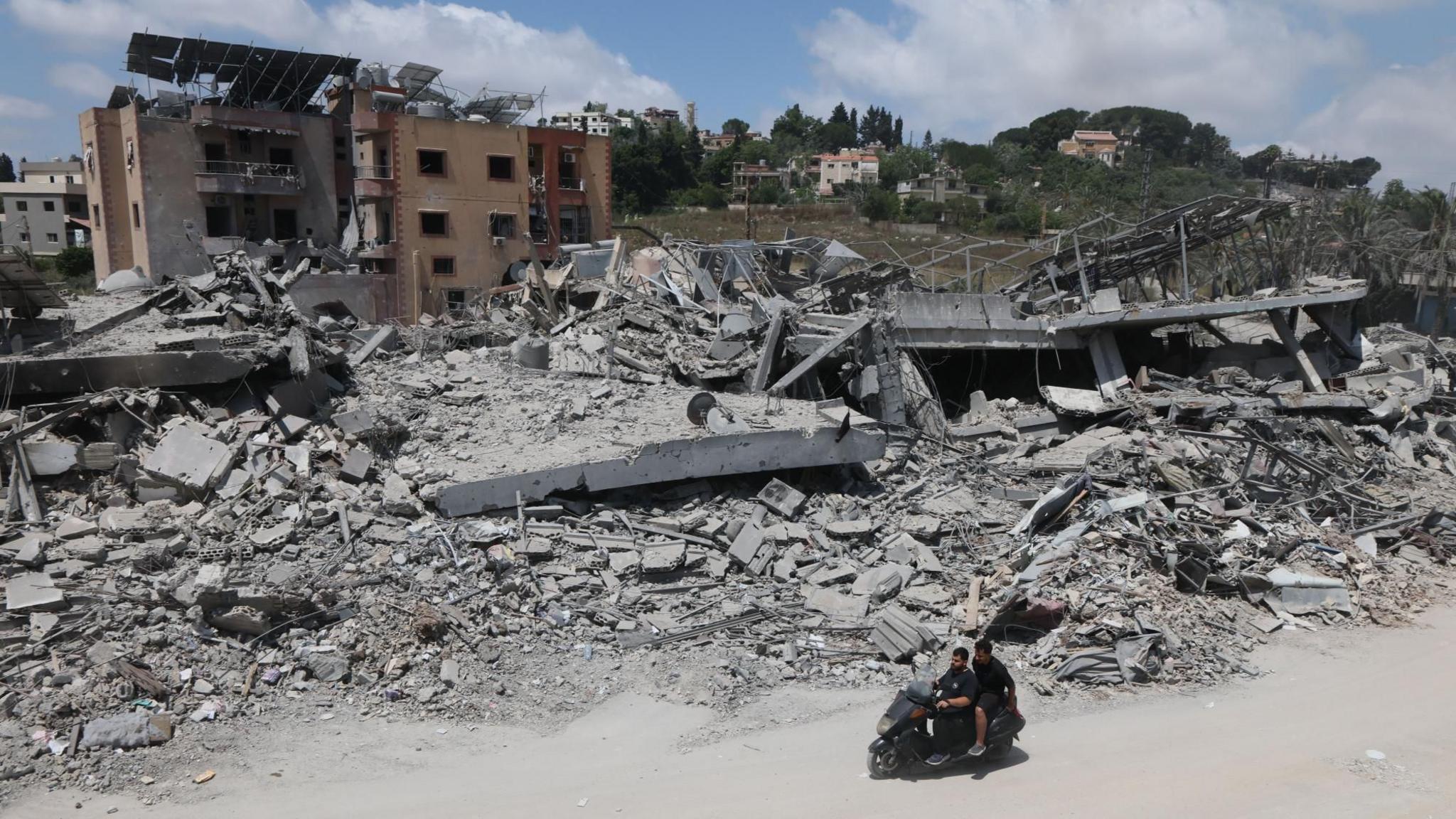
The latest clash feeds into a long‑running impasse; the south of Lebanon has seen continuous fighting since the escalation of the Syrian‑Iraqi war that spilled into the region in March 2026. The Israeli Houthi‑Hezbollah corridor has witnessed frequent skirmishes on the Ali al‑Taher ridge in recent weeks, as Israel’s ground forces have repeatedly tried to secure an underground Hezbollah stronghold. The fighting began after the Israeli 군이 attacked a 4‑horse armor unit in Kfar Tebnit, which resulted in four Israeli soldiers’ deaths and the retaliatory destruction of several Hezbollah installations.
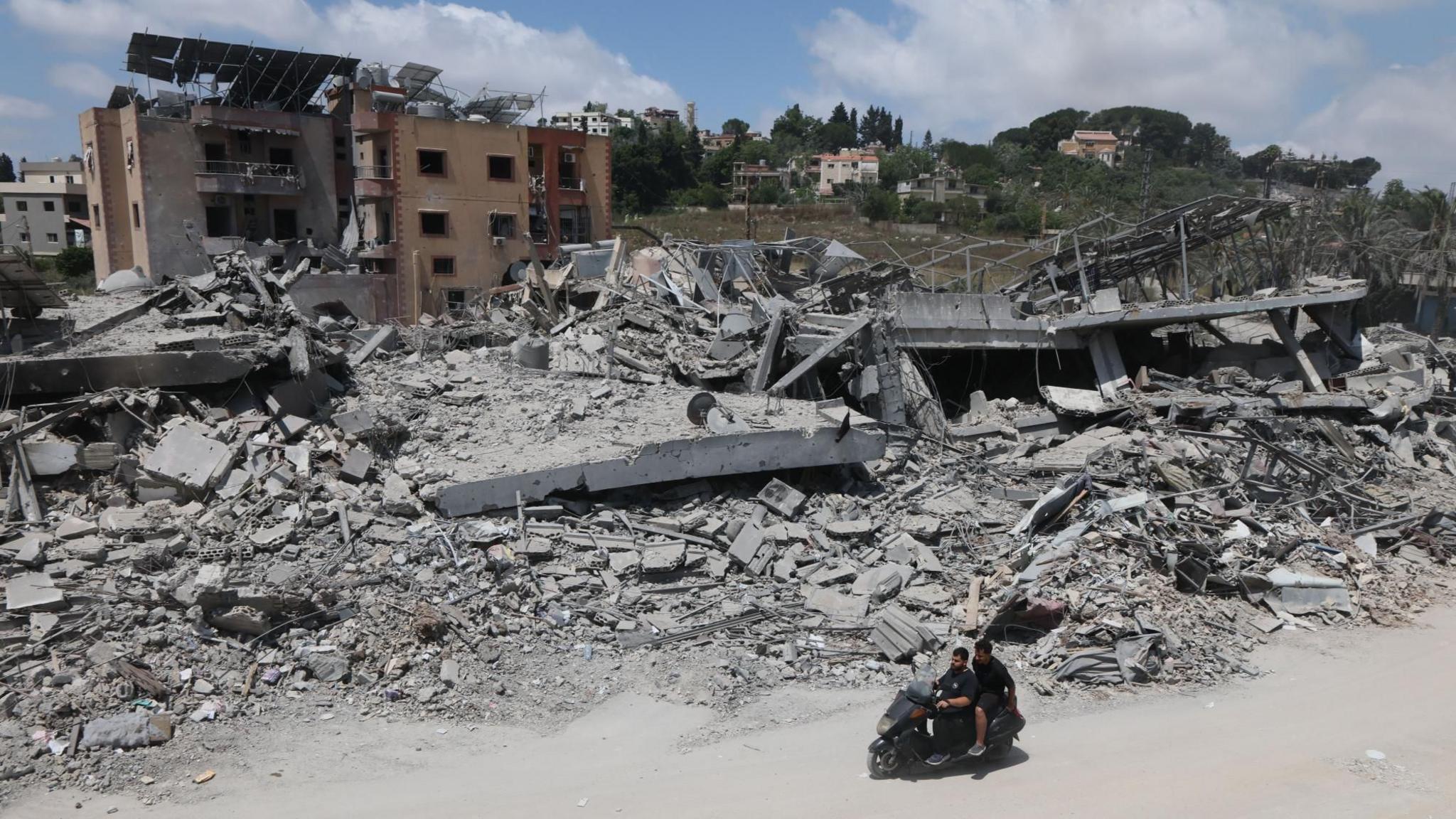
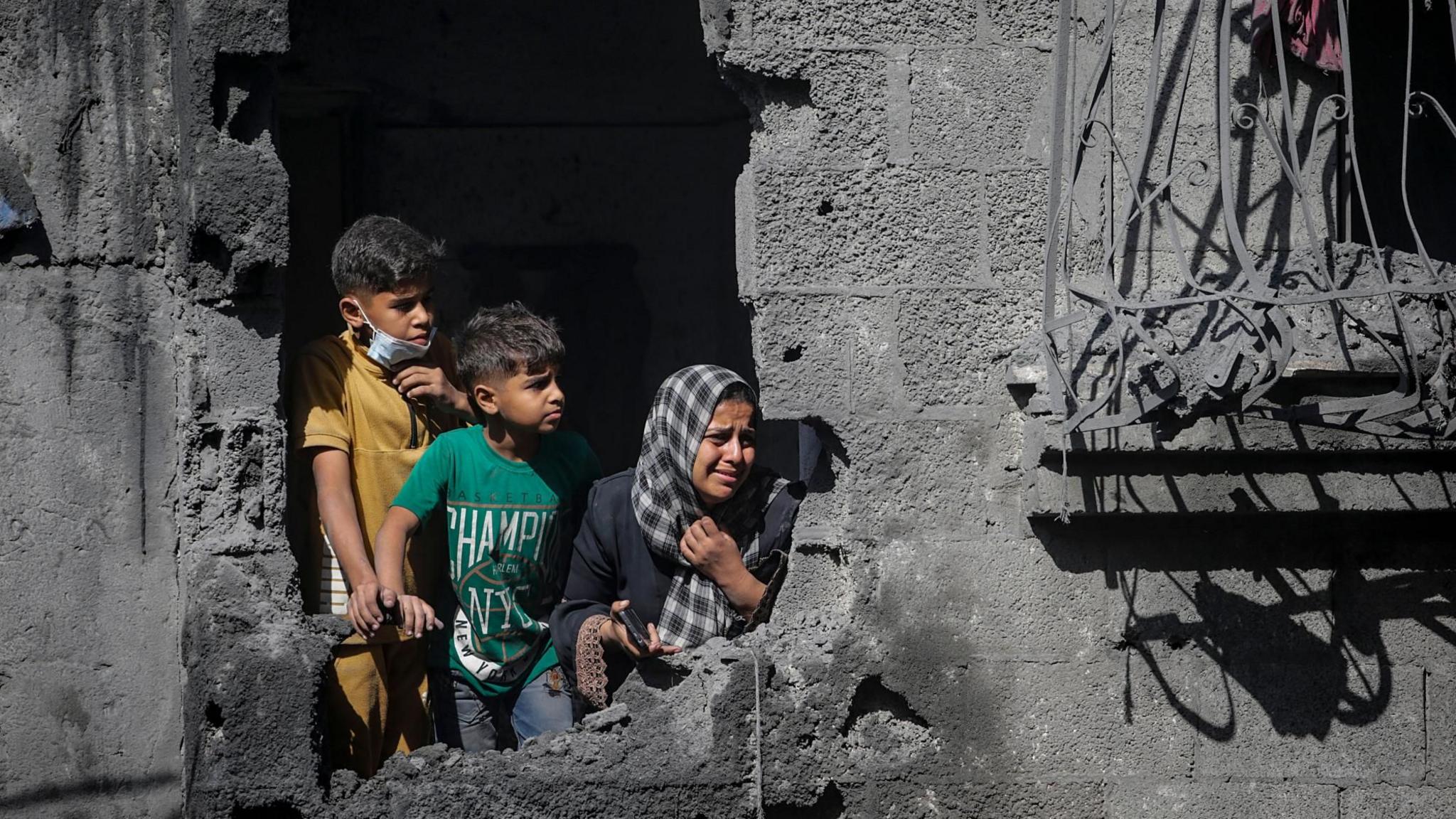
Since the April ceasefire, some “fresh air strikes” have been reported, with the Lebanese Civil Defence citing new casualties. The conflict’s cycle began when Hezbollah fired rockets into Israel, a strike that was aimed at reinforcing a war‑wound following a missile that killed Iran’s supreme leader. Israeli military responded with a nationwide bombing campaign that extended deep into the south of the country, causing mass displacement and casualties – more than 4,000 Lebanese are estimated killed, and over 1.2 million people displaced.
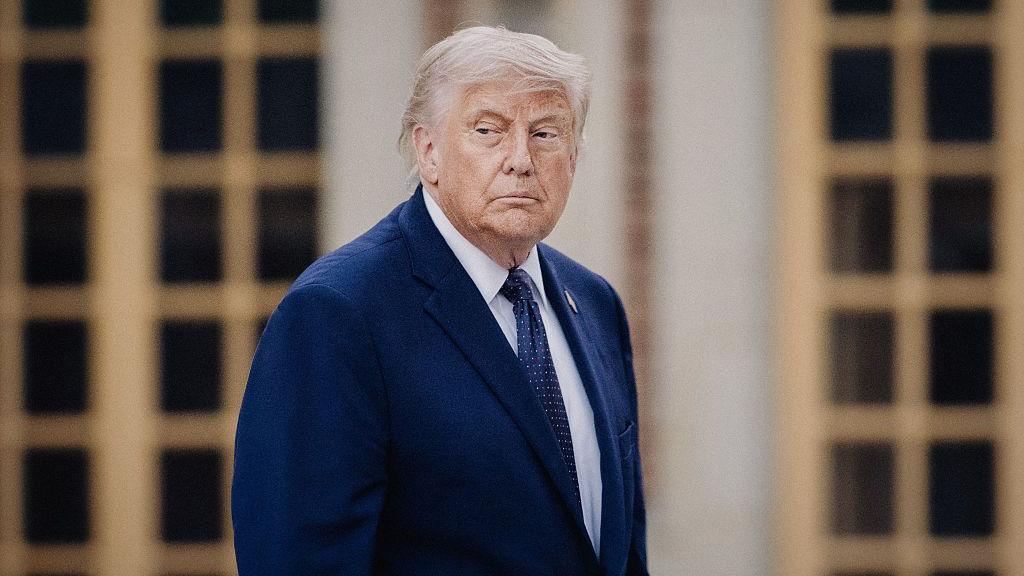
Prime Minister Benjamin Netanyahu vowed that Israeli troops stationed in Lebanon would remain “as long as necessary” to guarantee security, pressing the U.S. to keep pressure on Israel to halt attacks on the Lebanese territory. The United States, meanwhile, insists that the ceasefire must be respected to preserve wider diplomatic progress between Washington, Tel‑Aviv and Tehran.
With the recent killing of two Ethiopian citizens, the ceasefire appears fragile, and the military presence and defensive activities by both sides remain on high alert, threatening a relapse into a prolonged cycle of warfare.