In brief
Cities like Delhi, Mumbai, and Bengaluru are struggling with severe air pollution, overflowing waste, and decaying infrastructure despite significant investments in urban development. Local governance challenges and a lack of data exacerbate the crisis, leading to protests and calls for reform.
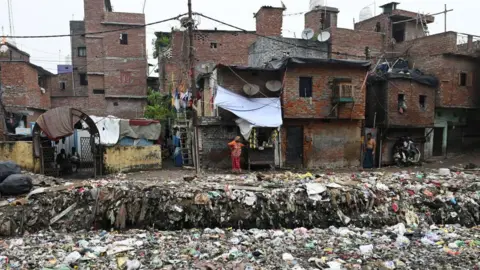
Amidst the urban charm of India’s historic cities, an unsettling reality lurks—an erosion of livability stemming from toxic air, congested traffic, and heaps of uncollected waste. A taxi driver's quip in Jaipur, urging visitors to buy a postcard instead of experiencing the city firsthand, highlights a broader narrative of urban decay unsettlingly common across many Indian cities.
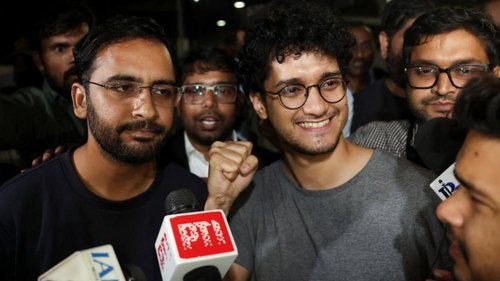
Despite substantial government investment in infrastructure, including exquisite airports and expansive highways, major cities like Bengaluru and Mumbai grapple with problems that undermine quality of life. Just this past year, protests erupted over traffic and waste management issues, with residents and even billionaires voicing their frustrations.
The situation in Delhi is particularly dire, with winter air pollution reaching hazardous levels, prompting health warnings even for children. This paradox of growth alongside declining urban conditions raises questions about governance in a rapidly urbanizing country. Over 40% of India's population now resides in urban areas—a substantial increase from only 70 million in 1960—but there’s a lack of effective local governance to match this growth.
Expert opinions suggest that one root of the problem lies in the legacy governance model, which has not evolved alongside the urban explosion. Attempts to establish decentralized governance through constitutional amendments have thus far been inadequately implemented. As a result, local councils remain weak, lacking both authority and resources.
Moreover, data scarcity hampers effective policy-making, with recent census data lagging over 15 years behind. As cities struggle to deal with their toxic realities, the hope of transformation rests on future crises that might compel the government to confront these pressing issues more decisively.