In brief
Farmers like Todd Littleton from Tennessee are feeling the pinch as fertilizer prices jump dramatically this year, with costs expected to rise by $100,000. The surge is attributed to the ongoing conflict in Iran and its impact on global shipping and production of critical fertilizer components. Zippy Duvall of the American Farm Bureau Federation warns that many may not even secure the fertilizer they need for planting this spring, compounding the financial strain on agriculture in the U.S.
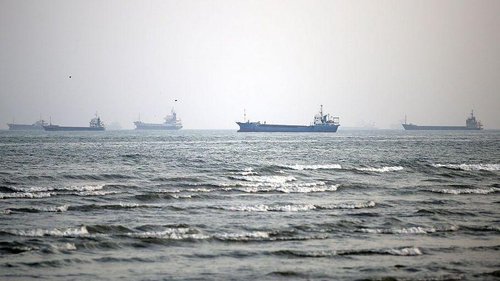
BISMARCK, N.D. (AP) — Tennessee farmer Todd Littleton expects to pay $100,000 more for fertilizer this season, a 40% spike from his bill last year due to the escalating war in Iran, driving him to scramble for ways to manage this financial burden. 'The problem is, is we’re so strained financially coming into this issue,' stated Littleton, a third-generation farmer from Gibson County. 'With record losses in recent years, the latest increase in input prices couldn't come at a worse time.' Littleton, who cultivates corn, soybeans, and wheat, is not alone; thousands of farmers nationwide are facing unexpectedly high fertilizer costs this spring due to the conflict impacting shipping and production. The U.S. relies heavily on fertilizer imports, with significant portions supplied from the Middle East, which has seen supply chain disruptions following U.S. and Israeli military actions. As nitrogen fertilizer prices skyrocket, experts warn of potential shortages for those who haven't pre-ordered, with some farmers unable to secure necessary supplies for the planting season. The trend stems from a complex web of issues, including previous global conflicts and rising energy prices. Though domestic production of certain fertilizers provides some relief, it is not enough to shield farmers completely from the spiraling costs. Amid these challenges, agriculture officials and economists are urging for reforms and support to alleviate farmer hardships as they navigate one of the toughest planting seasons in recent history.