In brief
With rising internet restrictions across Russia, citizens are increasingly vocal against government controls, submitting petitions to President Putin in a rare public outcry. This move signals a growing discontent towards censorship and its impact on daily life and business operations, amidst President Putin's justification of the measures for national security.
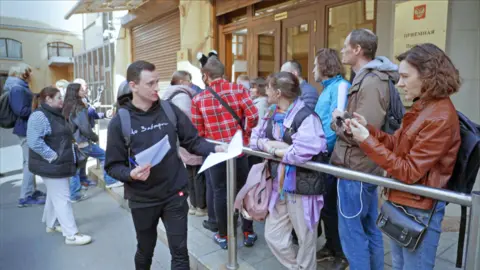
Near the Kremlin, several dozen people queue outside the presidential administration office, submitting petitions calling on President Vladimir Putin to end a crackdown on the internet. Russian authorities have tightened control over the country's cyberspace, severely restricting access to global messaging apps and causing widespread disruptions to mobile internet. Petitioning the president is technically legal, yet in an authoritarian state, it leads to significant risks. Security officers monitor the petitioners, with some expressing visible fear of repercussions.Putin acknowledges the internet disruptions, attributing them to operations aimed at preventing terrorist attacks, while claiming to allow uninterrupted access to essential internet services. However, citizens like Yulia, who run online-dependent businesses, find themselves struggling as internet disruptions lead to financial losses. The state insists that such measures are for public safety, citing the impact of mobile internet blackouts on Ukrainian drones, despite ongoing attacks even in areas where service is cut off.As the authorities promote a state-backed messenger service called MAX, public trust remains low, with many suspecting government oversight of their communications. Moreover, independent news sources face heavy censorship, leading to a digital environment resembling a 'digital Iron Curtain.' Columnists and journalists articulate fears that the regime's censorship reflects a broader strategy to disconnect Russia from the outside world, a sentiment echoed by citizens who suddenly find themselves lagging behind the digital age.While some Russians attempt to protest against these restrictions, authorities consistently block their efforts, indicating a tight grip on public expression. A changing landscape evokes worries about a return to an era of oppression and authoritarianism, but a growing discontent among citizens could signal changes in the future if frustrations continue to build. Public figures, such as celebrity bloggers, have voiced their disapproval, hinting at a disconnect between ordinary citizens and the government, as discontent accumulates and begins to surface.