In brief
In the wake of a tragic attack that claimed 26 lives in Pahalgam, Kashmir, local guides and officials are working tirelessly to rebuild tourist trust in the area. While there are signs of recovery in other parts of the region, Pahalgam remains deeply affected, with visitor numbers still significantly low. The psychological scars from the incident, combined with intensified security measures, continue to challenge the town's tourism economy.
Nazakat Ali's phone rings in the evening as it often does now. The 30-year-old tourist guide in Indian-administered Kashmir answers with the same practiced calm every time - yes, it is safe; yes, he will be there; yes, they should come. On the other end are people planning holidays to the stunning Himalayan region, known for its mountains and meadows.
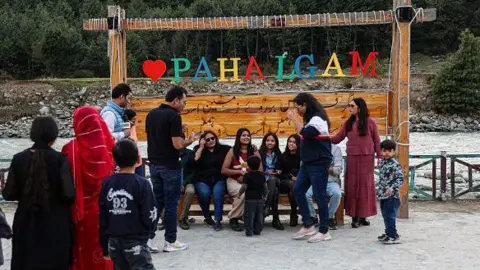
There is a lot of fear, he says. We have to convince them that everything is fine. A year after militants killed 26 people in Pahalgam town, one of the deadliest attacks on tourists in Kashmir in decades, the region’s tourism economy has yet to recover.
In the weeks that followed, authorities shut 48 of 87 tourist sites in the region, and visitor numbers plummeted from nearly three million in 2024 to under 1.2 million in 2025. Some sites have since reopened, but Baisaran meadow, where the killings occurred, remains closed.
The assault struck at the heart of a fledgling industry that has endured despite years of uncertainty. Violence in Kashmir has claimed thousands of lives in past decades, with the attack in Pahalgam leading to four days of military conflict between India and Pakistan, after Delhi accused a Pakistan-based group of carrying out the killings.
While tourist numbers have begun to recover elsewhere in Indian-administered Kashmir, Pahalgam continues to struggle, with only about 259,000 visitors recorded this year – a dramatic drop from over 469,000 during the same period last year.
The decline has severely impacted local businesses. Just months before the attack, Mohammad Abubakar had opened a hotel with a substantial investment, only to earn almost nothing afterward and ultimately shut down the business.
Despite the ongoing challenges, officials assert that the broader security situation has stabilized, with Kashmir's tourism director indicating that efforts are being made to restore confidence among travelers.
Amidst the backdrop of uncertainty, Pahalgam residents like Nazakat Ali continue to hope for a resurgence in tourism, processing their reparative calls with reassurance, even as specters of the past linger in a landscape that feels eerily changed.