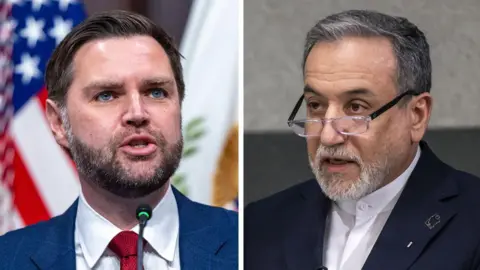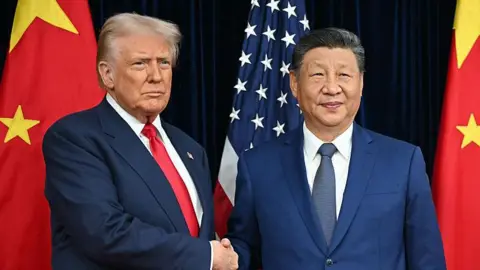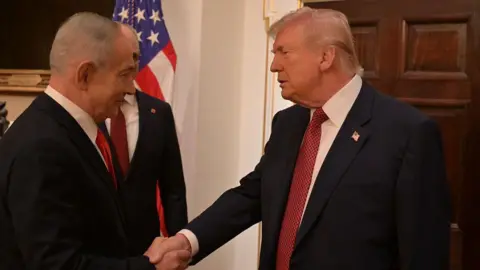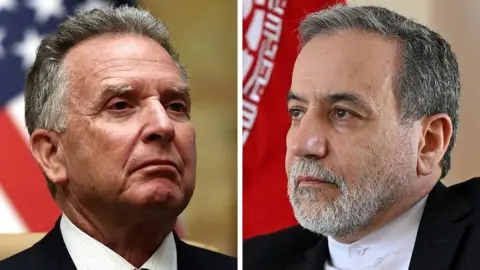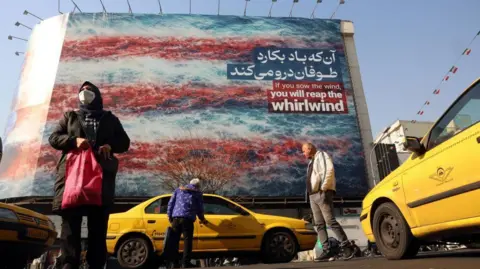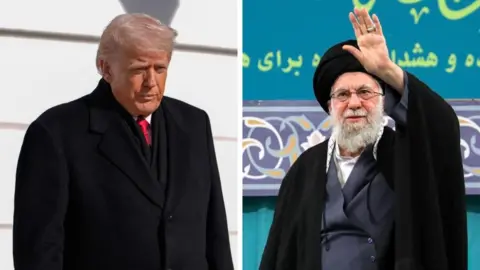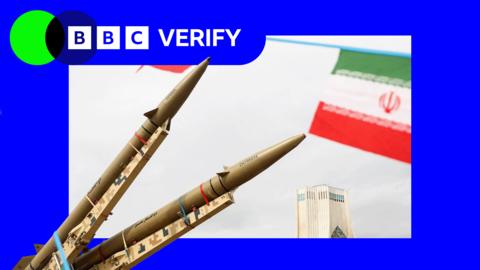
President Donald Trump put his signature to a 14‑point Memorandum of Understanding (MoU) that re‑establishes some diplomatic ties with Iran after the high‑intensity war launched on 28 February 2026. The deal is a framework for 60 days of talks and is far less detailed than the 2015 Joint Comprehensive Plan of Action (JCPOA) that the Obama administration had brokered.
Weapons and The Nuclear Question
The MoU contains a broad pledge that Iran will not seek or develop nuclear weapons, mirroring the JCPOA language. However, it offers no concrete rules about the fate of Iran’s enriched uranium – the text merely talks about a future “mechanism” to resolve stockpile questions. By contrast, the JCPOA capped Iran’s stored material at 300 kg and set an enrichment limit of 3.67 %, a threshold insufficient for weapons but still eligible for power‑generation reactors. The new agreement omits any promise to destroy 60‑kg, 60 % enriched material that the United States had identified in the 2026 war‑day report.
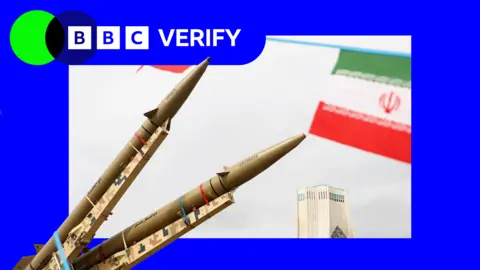
The MoU also neglects Iran’s ballistic‑missile ambitions. Trump’s announcements on March 2 and June 17 hinted at a stance on new missile development, but the official text contains no reference to missile dismantlement or oversight.
Money and Sanctions Relief
One of the most pronounced differences from the JCPOA is the swift removal of sanctions. The MoU declares that the United States will terminate all types of sanctions in an agreed schedule, with waivers that will allow the export of Iranian crude, petroleum products and related services immediately. The document also alludes to an at least $300 bn reconstruction fund to be shared with regional partners, a financial package that would provide Iran with a fresh impetus to rebuild its economy.
Under the JCPOA, the U.S. had not provided direct money but instead offered sanctions relief and access to frozen assets worth an estimated $100‑125 bn. The new MoU does exactly the opposite – it unlocks all sanctions and facilitates immediate commerce without any pre‑conditions.
Ships and the Strait of Hormuz
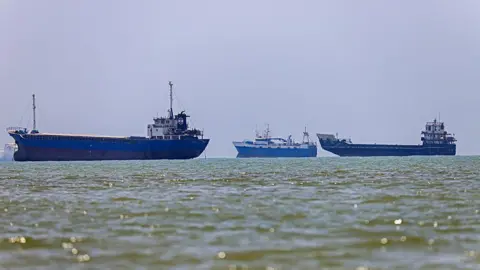
A 2025 IMF report logged an average of 94 merchant ships passing through the Strait of Hormuz each day. Following the war’s outbreak, that figure collapsed to just six – a combination of Iranian attacks on commercial traffic and the U.S. blockade.
The MoU promises a full end to the naval blockade within 30 days and a 60‑day window where Iran guarantees safe passage for commercial vessels at no charge. After that, the agreement only calls for dialogue with Oman to define the region’s maritime services. The deal omits any regulation of the new Persian Gulf Strait Authority that Iran established on 21 May to charge “fees” for using the waterway.
In essence, the deal sets a short‑term, largely negotiable framework, leaving many key technical details – especially around nuclear enrichment, missile programmes and maritime fees – to be dealt with in future talks.