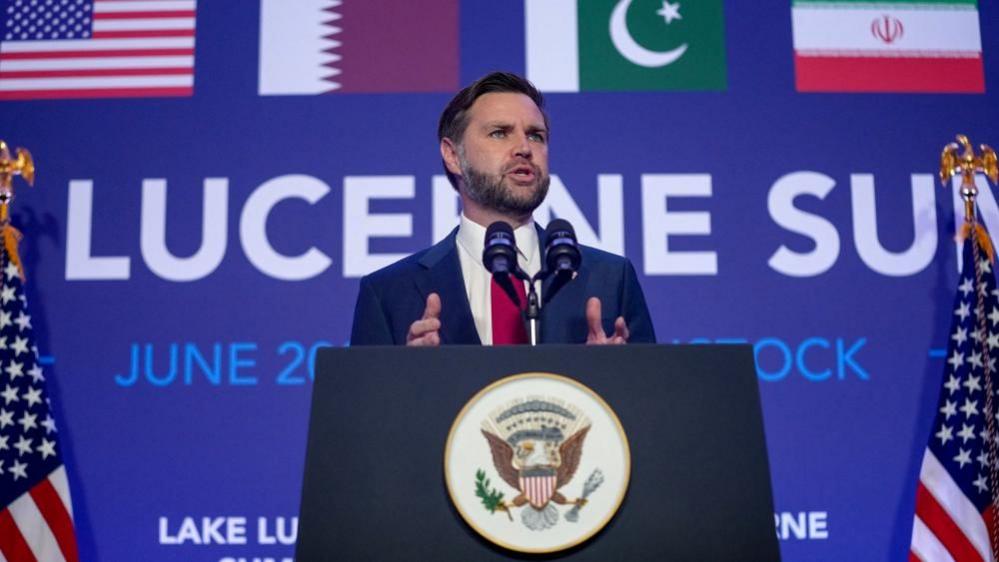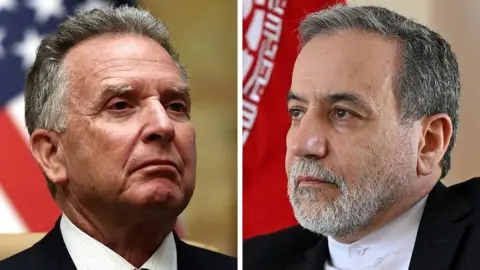
Senior US and Iranian officials are set to continue discussions after talks in Oman, the Iranian foreign minister says, amid a crisis that had raised fears of a conflict between the countries. Abbas Araghchi stated that the mediated discussions were a good beginning and exclusively nuclear, hinting at a potential for future meetings as negotiators return to their capitals for further consultations.
However, significant gaps remain between the nations' positions. Prior to the discussions, US officials indicated they would also like to address Iran's ballistic missile program and its support for regional armed groups, complicating the dialogue framework.
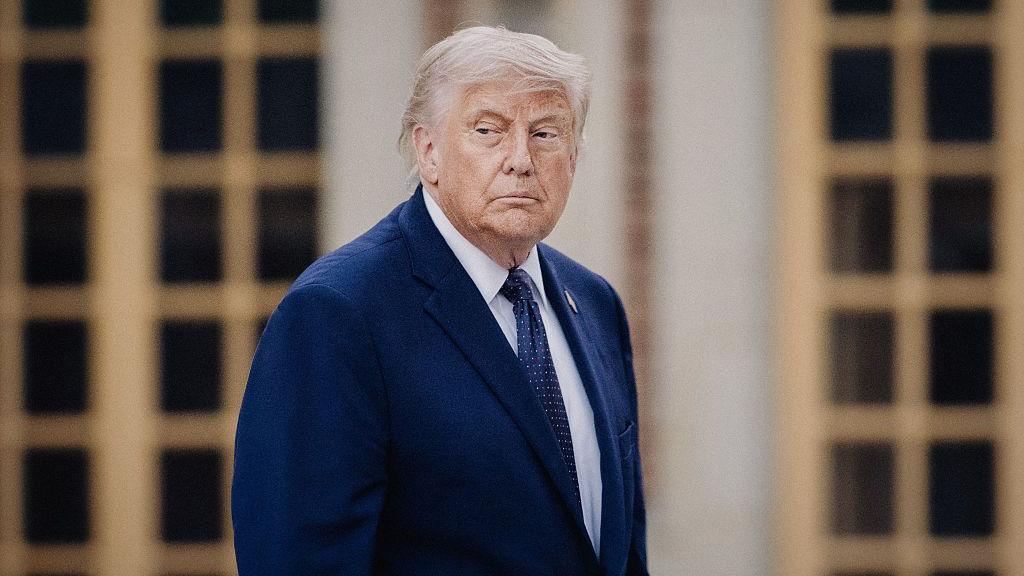
Despite these ongoing discussions, the US military presence in the Middle East has been visibly increasing, responding to Iran's violent suppression of dissent within its own borders. President Trump has intensified threats to bomb Iran if a deal is not reached, sending an extensive military deployment to the region, which includes an aircraft carrier and fighter jets.
In contrast, Iran has made it clear that it will respond with force to any attacks, signaling readiness to strike US military assets.
The talks were mediated by Oman's Foreign Minister Badr Albusaidi, who remarked on their usefulness in clarifying both sides' perspectives. These discussions mark the first engagement of this nature since the heightened conflicts last year.
Araghchi acknowledged the climate of mistrust between the two nations, emphasizing the need to overcome it. Looking ahead, discussions regarding potential concessions could emerge, particularly on issues like uranium enrichment and Iran’s stockpiles, but longstanding disagreements on missile programs and regional influences remain barrier statements for any lasting agreement.
However, significant gaps remain between the nations' positions. Prior to the discussions, US officials indicated they would also like to address Iran's ballistic missile program and its support for regional armed groups, complicating the dialogue framework.
Despite these ongoing discussions, the US military presence in the Middle East has been visibly increasing, responding to Iran's violent suppression of dissent within its own borders. President Trump has intensified threats to bomb Iran if a deal is not reached, sending an extensive military deployment to the region, which includes an aircraft carrier and fighter jets.
In contrast, Iran has made it clear that it will respond with force to any attacks, signaling readiness to strike US military assets.
The talks were mediated by Oman's Foreign Minister Badr Albusaidi, who remarked on their usefulness in clarifying both sides' perspectives. These discussions mark the first engagement of this nature since the heightened conflicts last year.
Araghchi acknowledged the climate of mistrust between the two nations, emphasizing the need to overcome it. Looking ahead, discussions regarding potential concessions could emerge, particularly on issues like uranium enrichment and Iran’s stockpiles, but longstanding disagreements on missile programs and regional influences remain barrier statements for any lasting agreement.