High-ranking U.S. and Iranian officials are set to meet in Oman in a crucial attempt to navigate escalating tensions that have heightened fears of military conflict between the two nations. The discussions are a response to a recent U.S. military buildup in the Middle East, following Iran's violent crackdown on anti-government protests that reportedly resulted in thousands of casualties.
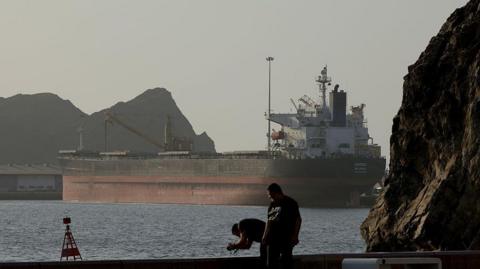
While initial venue plans were set for Istanbul, Iran requested a change to Oman, known for its past diplomatic engagements. The talks are spearheaded by Egypt, Turkey, and Qatar as regional mediators attempting to de-escalate tensions.
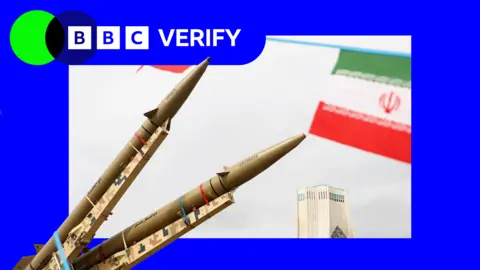
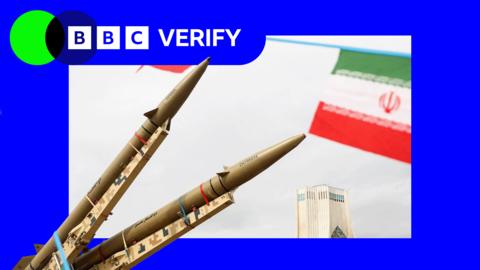
Despite hopes for a negotiations framework, significant gaps remain between the U.S. and Iran's positions. Washington is demanding Iran to freeze its nuclear program and address its missile development and support for armed groups. Conversely, Tehran insists that the discussions be confined solely to its nuclear advancements.
The motivation for the talks grows more critical amid President Trump's recent military threats, including sending a substantial military presence to the Persian Gulf, which has traditionally been accompanied by high-stakes bluster from the U.S. administration. Iran has vowed a stern response to any military action, escalating the urgency for diplomatic solutions.
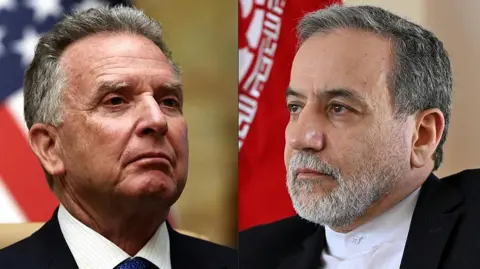
The Iranian delegation will include Foreign Minister Abbas Araghchi, indicating Tehran's readiness for serious discussions provided a conducive environment is achieved. At the same time, analysts express that the talks may represent Iran's last opportunity to ward off aggressive U.S. military action as they face internal dissent and external pressures to reform.
While initial venue plans were set for Istanbul, Iran requested a change to Oman, known for its past diplomatic engagements. The talks are spearheaded by Egypt, Turkey, and Qatar as regional mediators attempting to de-escalate tensions.
Despite hopes for a negotiations framework, significant gaps remain between the U.S. and Iran's positions. Washington is demanding Iran to freeze its nuclear program and address its missile development and support for armed groups. Conversely, Tehran insists that the discussions be confined solely to its nuclear advancements.
The motivation for the talks grows more critical amid President Trump's recent military threats, including sending a substantial military presence to the Persian Gulf, which has traditionally been accompanied by high-stakes bluster from the U.S. administration. Iran has vowed a stern response to any military action, escalating the urgency for diplomatic solutions.
The Iranian delegation will include Foreign Minister Abbas Araghchi, indicating Tehran's readiness for serious discussions provided a conducive environment is achieved. At the same time, analysts express that the talks may represent Iran's last opportunity to ward off aggressive U.S. military action as they face internal dissent and external pressures to reform.