In brief
US Vice President JD Vance leads talks with Iran under a fragile ceasefire, with critical sticking points: nuclear armament concerns, the Strait of Hormuz shipping routes, ties with regional allies, and demands for sanctions relief. The implications of Israel's actions against Hezbollah add further strain. A delicate balancing act lies ahead as both sides seek a diplomatic resolution amidst ongoing tensions.
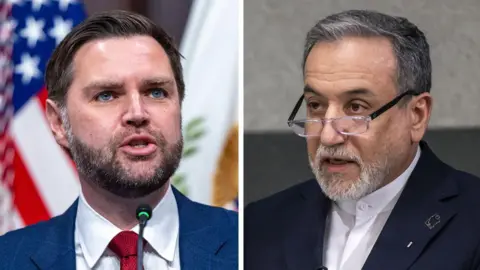
The venue is ready, the guards are in place and the curb along the approach road has received a fresh coat of yellow and black paint. Islamabad awaits.As hosts of vital US-Iranian talks, the Pakistani government officials are making optimistic noises, emphasizing that unlike many others, they enjoy the trust of both sides. The man heading the US delegation, Vice President JD Vance, is also sounding upbeat. If the Iranians are willing to negotiate in good faith, he said before leaving the US, we're certainly willing to extend the open hand. But there was a warning too. If they're going to try to play us, then they're going to find the negotiating team is not that receptive.A whole mountain of obstacles lies ahead. One key issue is Israel's ongoing campaign against Iran's Lebanese ally, Hezbollah, threatening to derail the talks before they've even started. Iran's President Masoud Pezeshkian warned that continued actions would render negotiations meaningless, stating, Our fingers remain on the trigger. Iran will never abandon its Lebanese sisters and brothers.Additionally, the Strait of Hormuz, a critical oil shipping lane, presents its challenges, highlighted by Trump's assertion that Iran is failing to ensure safe passage for vessels despite prior commitments.The longstanding nuclear dispute is arguably the biggest sticking point, with stark contrasts in proposed approaches from the two nations. As both sides approach the negotiating table, the way forward is fraught with difficulties, necessitating careful diplomacy to bridge the vast divides.