In brief
On March 22, 2026, Iranian missile strikes on the Israeli towns of Arad and Dimona left 180 injured, including serious cases, following retaliation for an earlier attack on Iran's Natanz nuclear facility. Eyewitnesses report extensive damage, while the International Atomic Energy Agency confirmed no harm to the nearby nuclear facility. The incidents highlight the ongoing tension and violence in the region.
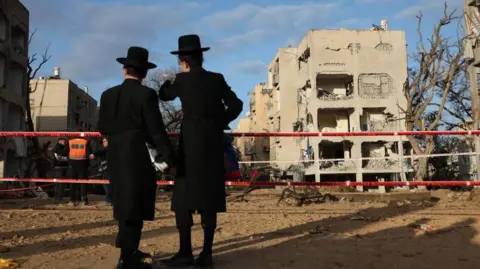
Israel's health ministry confirmed that 180 individuals sustained injuries, some of them serious, in missile strikes launched by Iran against southern Israeli towns close to a nuclear facility on Saturday evening. Among the injured, 116 were reported in Arad, with 64 more in Dimona. The missile strikes occurred in response to an Israeli attack on Iran’s Natanz nuclear facility earlier that day.The International Atomic Energy Agency (IAEA) has stated it is unaware of any damage to the Shimon Peres Negev Nuclear Research Center, located approximately 13km from Dimona. Iranian state television has framed these missile launches as retaliatory actions.Following the initial strikes, reports of additional missile attacks emerged, including an assault on Tel Aviv that left at least seven people injured. The Israeli Air Force indicated that Tehran has fired around 400 missiles at Israel since the onset of hostilities, with a substantial percentage intercepted.Eyewitness accounts describe horrifying scenes, particularly in Arad, where several residential buildings suffered extensive damage, with deep craters marking the sites of direct impacts. Local paramedics have noted that many children suffered injuries, including those caused by falling debris.In Dimona, further missile strikes resulted in widespread destruction, with community members recounting urgent evacuations from damaged apartment blocks.Israeli Prime Minister Benjamin Netanyahu and President Isaac Herzog visited the affected areas, highlighting the critical nature of the current conflict. The ability of Iranian forces to strike within Israel has intensified scrutiny of the nation’s air defense capabilities, with investigations underway to determine how these missiles succeeded in breaching security measures. As the confrontation continues, both nations remain locked in a cycle of violence, with Israeli officials emphasizing their commitment to neutralizing Iran's military capabilities.