In brief
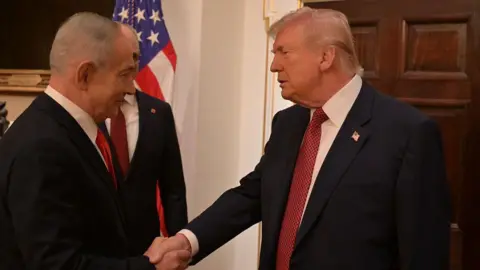
US President Donald Trump, in a recent meeting with Israeli Prime Minister Benjamin Netanyahu, stressed the necessity of maintaining negotiations regarding Iran's nuclear program. He indicated potential actions against Iran if no deal is reached, amidst increasing regional tensions. Netanyahu is advocating for conditions that include halting Iran's uranium enrichment and curtailing its ballistic missile capabilities.
In a crucial discussion at the White House, US President Donald Trump conveyed his insistence on continuing negotiations with Iran during a meeting with Israeli Prime Minister Benjamin Netanyahu. He cautioned that military action may be necessary against Tehran if an agreement is not reached, as diplomatic efforts intensify over concerns regarding Iran's nuclear ambitions. The meeting, which lasted nearly three hours, addressed growing tensions in the Middle East, particularly in light of Iran's potential nuclear developments.Netanyahu, who has made six visits to the US since Trump's return to office, urged the president to pursue a deal that not only halts uranium enrichment but also limits ballistic missile programs and support for militant groups such as Hamas and Hezbollah. Trump stated that while he prefers a diplomatic resolution, the situation remains critical as Iran remains resistant to certain demands, claiming it is prepared to engage in negotiations for sanctions relief.In a robust exchange, Iranian President Masoud Pezeshkian warned of Iran's unwillingness to yield to excessive demands amidst heightened military scrutiny from the US, including a potential increase in military presence in the region. As the talks continue, both leaders express that they are focused on the security necessities of Israel while emphasizing close cooperation moving forward.Concerns linger as Netanyahu faces pressure from his far-right government allies to secure a decisive agreement that addresses Iran's military capabilities and influence in the region. Analysts indicate that while the Iranian leadership currently faces vulnerabilities, there exists a significant fear within Israel that a hastily negotiated deal may allow Iran to preserve certain aspects of its nuclear program. As both nations prepare for future negotiations, the outcome continues to remain uncertain against the backdrop of geopolitical instabilities.